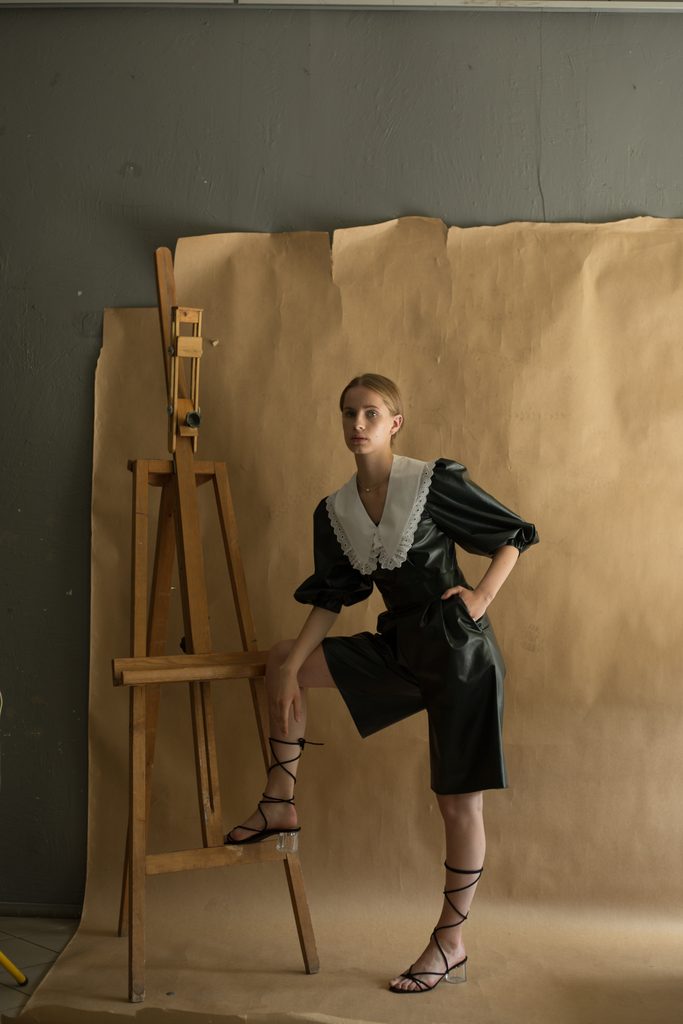
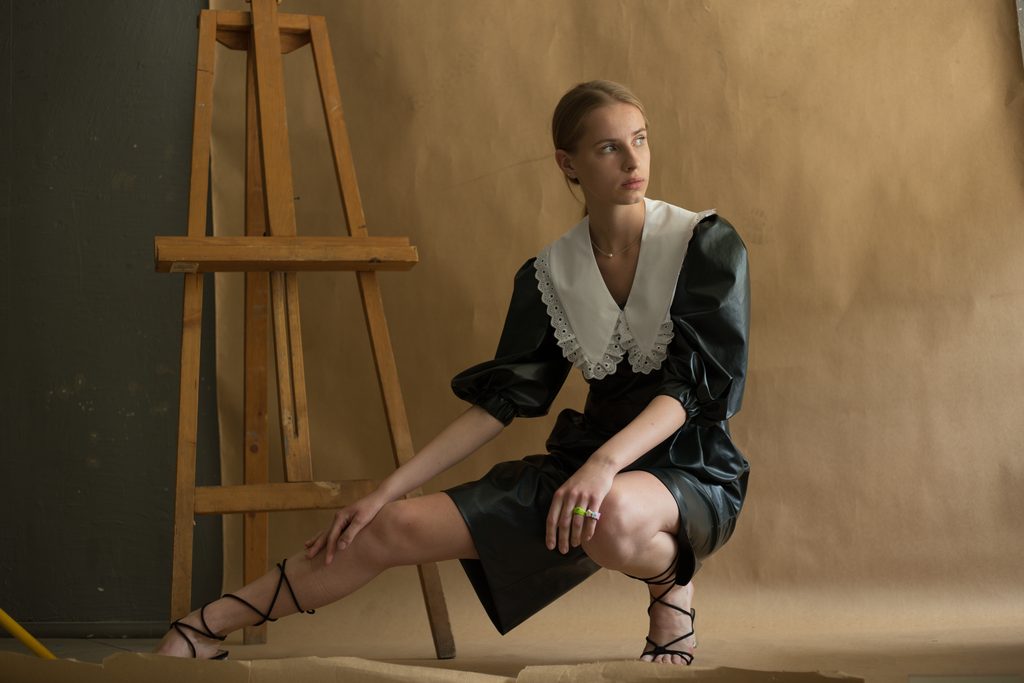
BORROWED FROM ANOTHER TIME

REMEMBER THE NAME: VICTORIA FEDOSEENKO

The photographer who looks beyond the image — and finds the character underneath.

Novi Sad, Serbia.

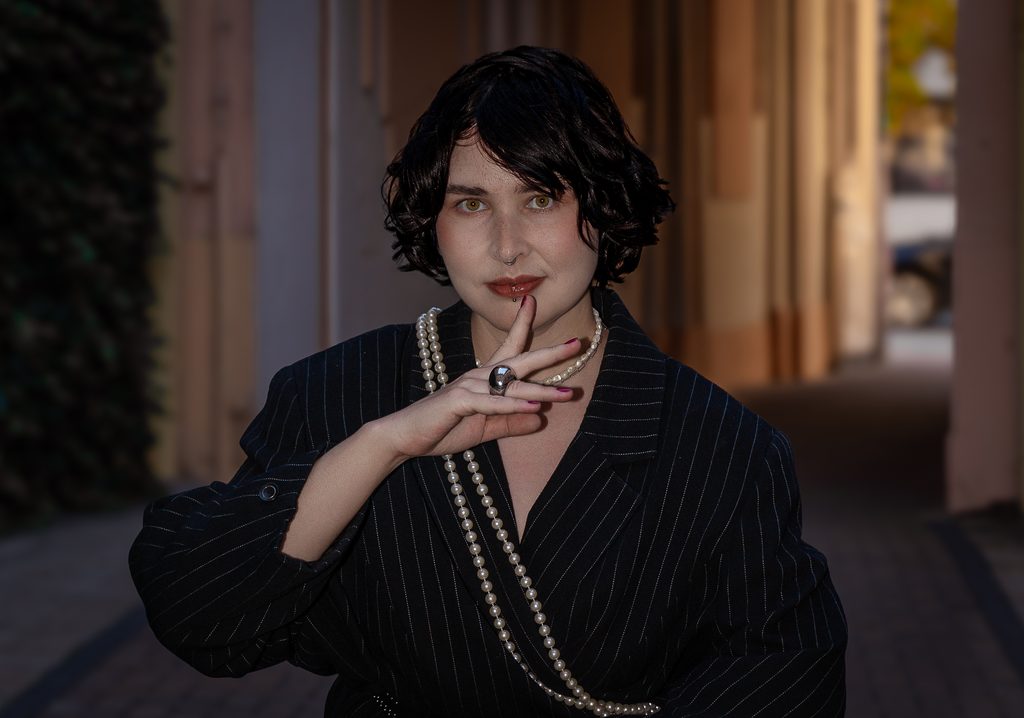
Some photographers capture an image. Others construct a world around it. Victoria Fedoseenko belongs somewhere in between. Based in Novi Sad, Serbia, Vikctoria works across editorial portraiture, fashion and brand photography, creating images that are musters of perfection and presence. Her photographs carry a cinematic quality, but what holds the frame is rarely the styling alone. It is the person inside it.

That distinction matters. Victoria’s approach begins with a question that feels almost deceptively simple: who is this person when fashion stops speaking for them?

Her answer is found in faces, gestures, locations, light and atmosphere.

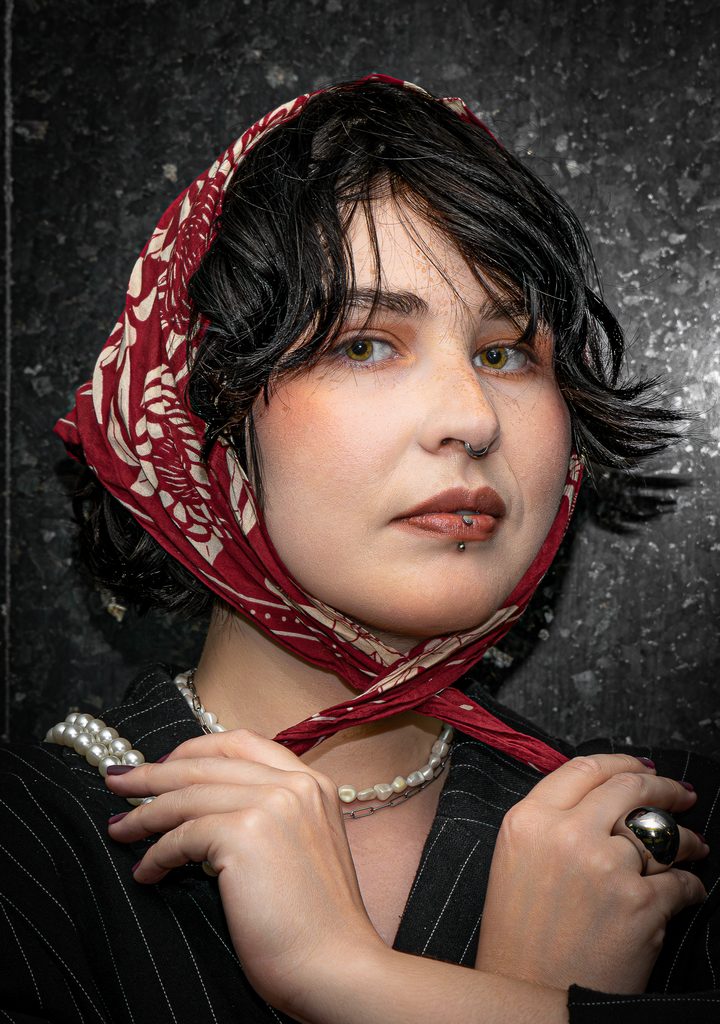
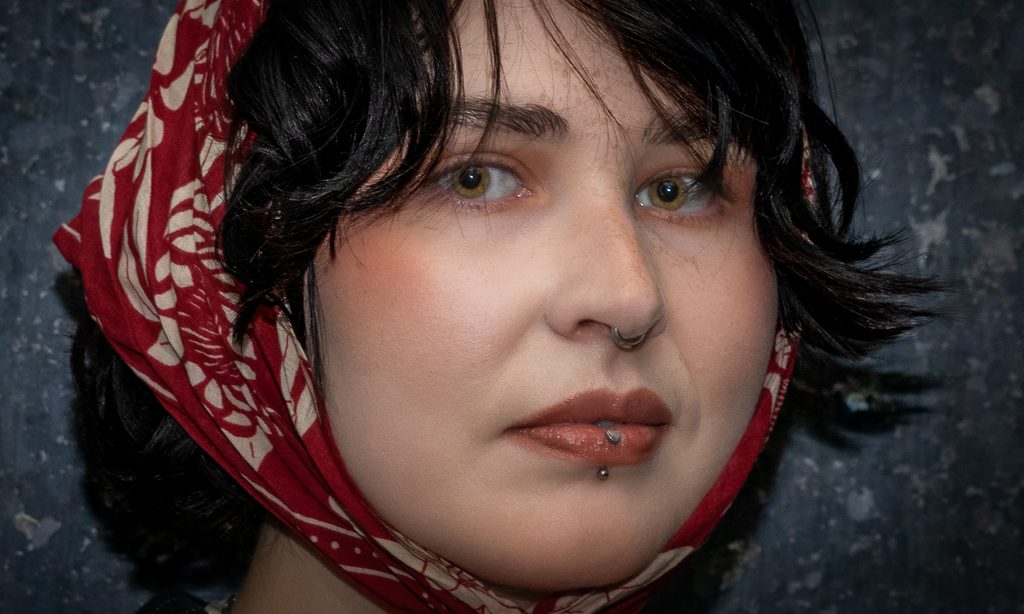
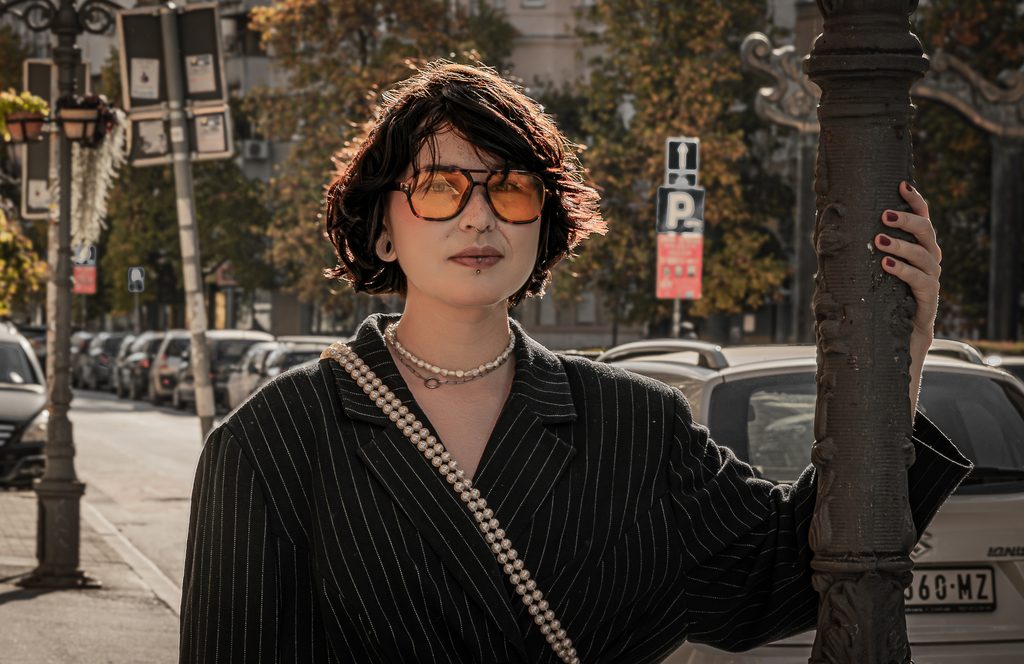
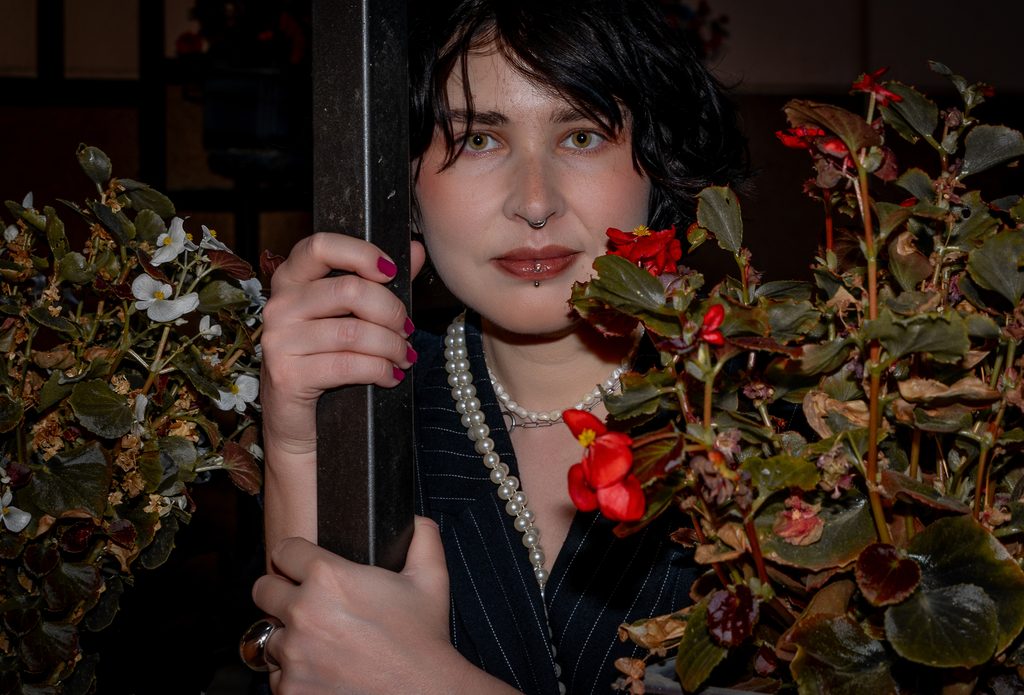
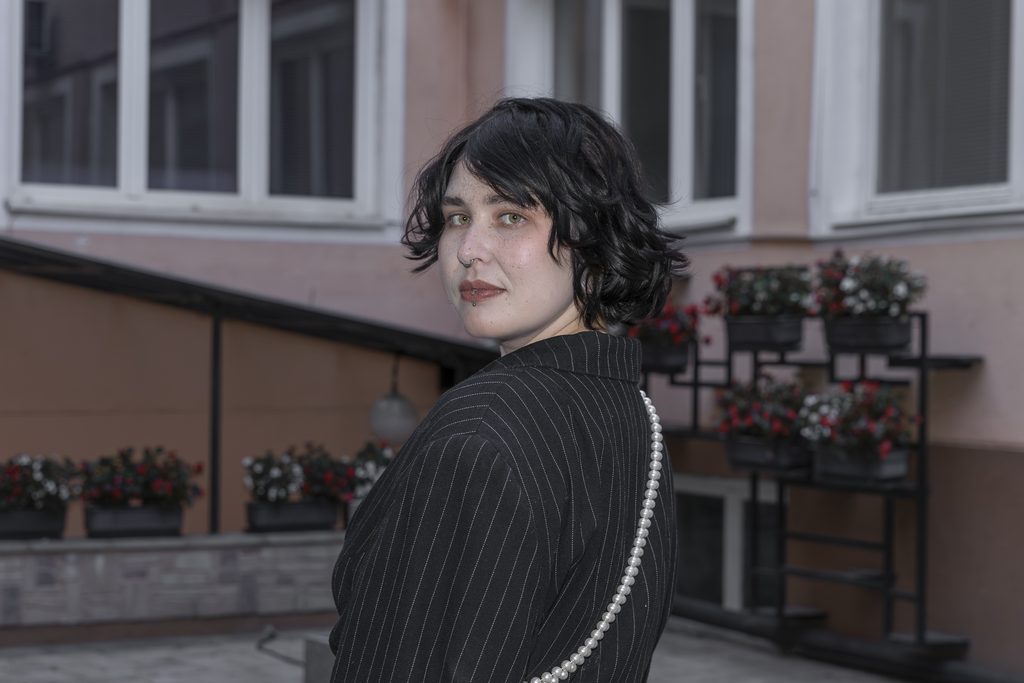
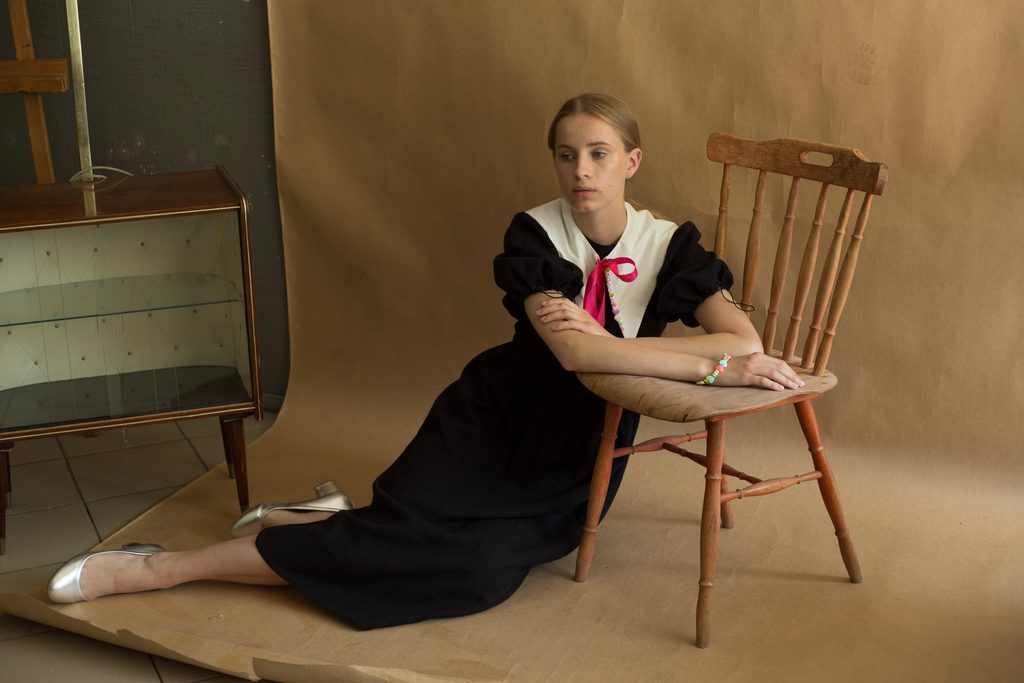
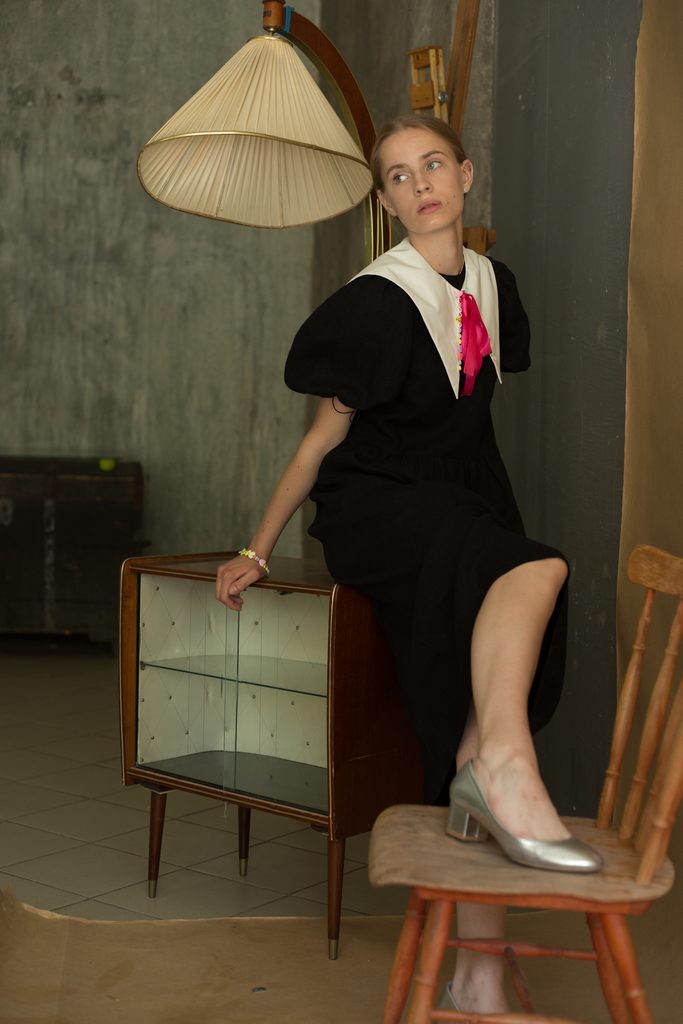
In BORROWED FROM ANOTHER TIME, photographed in Novi Sad, model and stylist Olga Tatarinova moves through shifting visual identities. A red patterned headscarf. Pearls. Black tailoring. Metallic details. A face caught between softness and defiance. The photograph does not attempt to belong entirely to one period. Instead, it allows different ones to collide. Classic codes meet contemporary styling. Nostalgia meets attitude. The familiar becomes slightly strange.

And that tension is central to Victoria Fedoseenko’s  work.

She often describes seeing a visual story in a person before they see it themselves. Someone may arrive believing they are ordinary, awkward or “not photogenic”. Victoria sees something else — a character, an atmosphere, perhaps an entire film waiting to happen. Photography becomes the mechanism through which that imagined version becomes visible.

CHARACTER OF PERFECTION

There is a recurring idea throughout Victoria Fedoseenko’s practice: character matters and leads to perfection. Her photographs are not simply exercises in beauty: glance, gesture, posture. A face that refuses to behave exactly as expected.

Is it these details become the architecture of the image.  There is no need for theatrical transformation. Instead, the photograph allows humour, confidence, curiosity and lived experience to remain visible. 

THE IMAGE BEFORE THE IMAGE

Victoria Fedoseenko’s process is surprisingly analytical for work that often feels instinctive.

The photograph begins before the camera. She considers the person, the mood, the location, the changing light, styling, colour and movement. She may visit an unfamiliar location beforehand and construct mood boards or visual references.

Afterwards, the work continues through sequencing and editing. The individual photograph is only part of the story. Victoria Fedoseenko looks at how images speak to one another, how a sequence develops rhythm and how a series becomes something larger than a collection of photographs. Her practice is therefore not confined to the camera. It extends into concept development, creative direction, editorial sequencing, publication, brand presentation. In her work, the human being stays at the centre.

 BEYOND THE FRAME

Victoria has already seen her work published in more than 80 international magazine publications, across Europe, the United States, Canada and Australia, including 14 covers.

Yet the numbers are less interesting than what they reveal about the direction of her practice.

She is building a visual language that moves between fashion, portraiture and storytelling without allowing any one of them to completely define it. There is fashion,  but not fashion without character. There is beauty, but not beauty as a fixed standard. There is technology, but not technology without the human subject.

And there is place.

Novi Sad is not simply a backdrop in her work. Streets, architecture, light and atmosphere become part of the narrative, giving the photographs a sense of somewhere rather than simply somewhere beautiful. That is maybe why her work feels cinematic. Not because every image looks like a film still, but because there always seems to be a story before the photograph — and another one waiting after it.

Remember the name.

Victoria Fedoseenko.

Photographer / Retoucher / Creative Director: Victoria Fedoseenko @viktoriya.fedoseenko
Model / Stylist: Olga Tatarinova @thundercatnomad
Photographed in Novi Sad, Serbia.
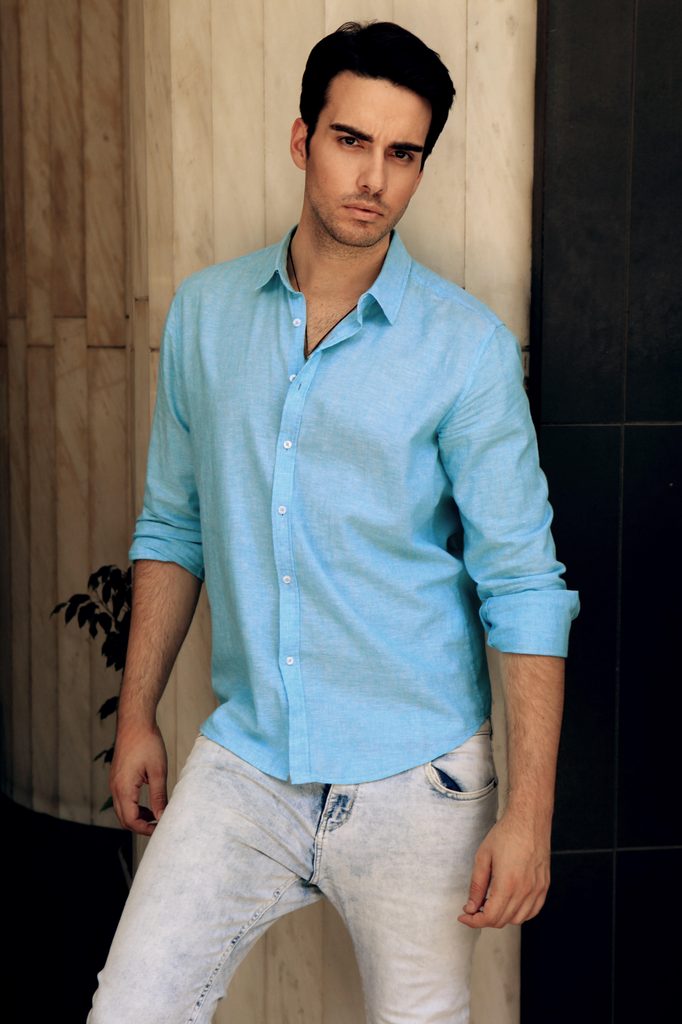
The New Classic

Remember the Name

Dimitris Vasilopoulos

Model

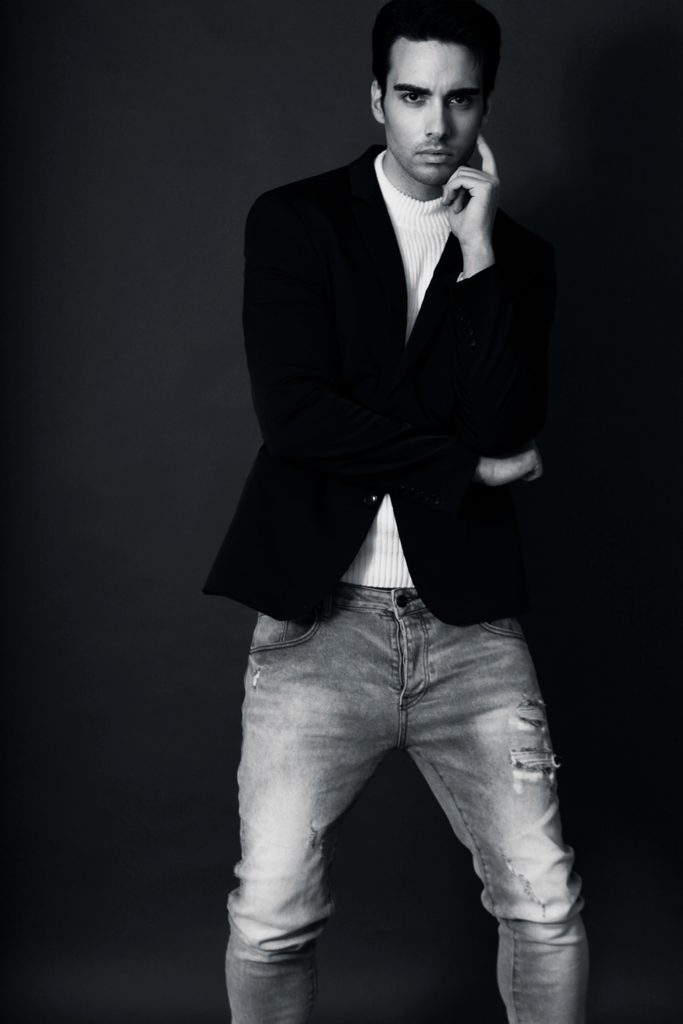
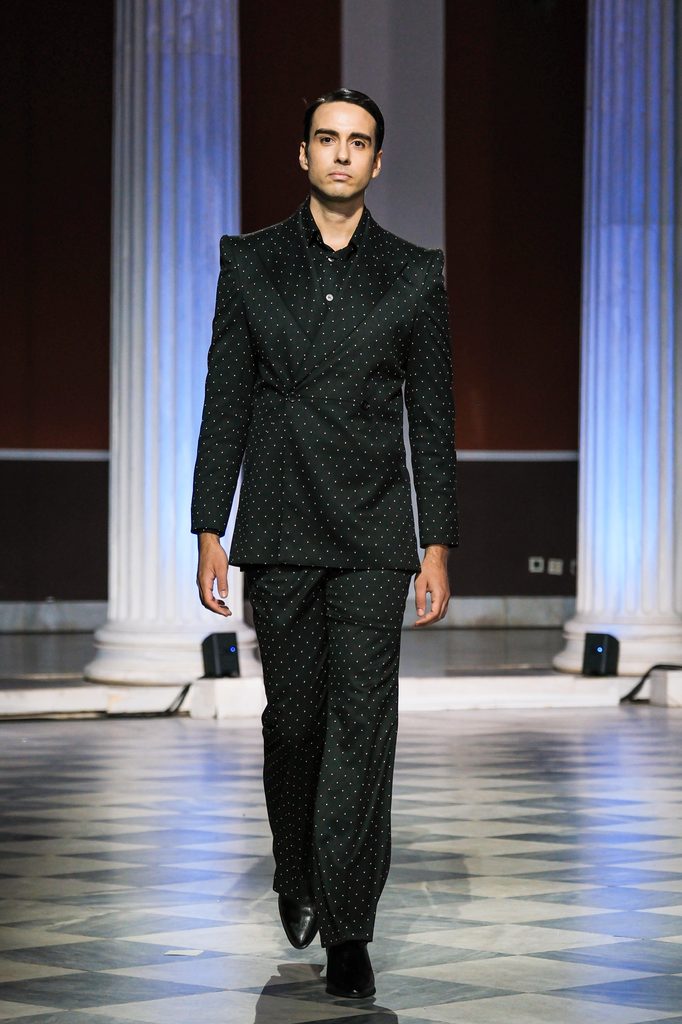
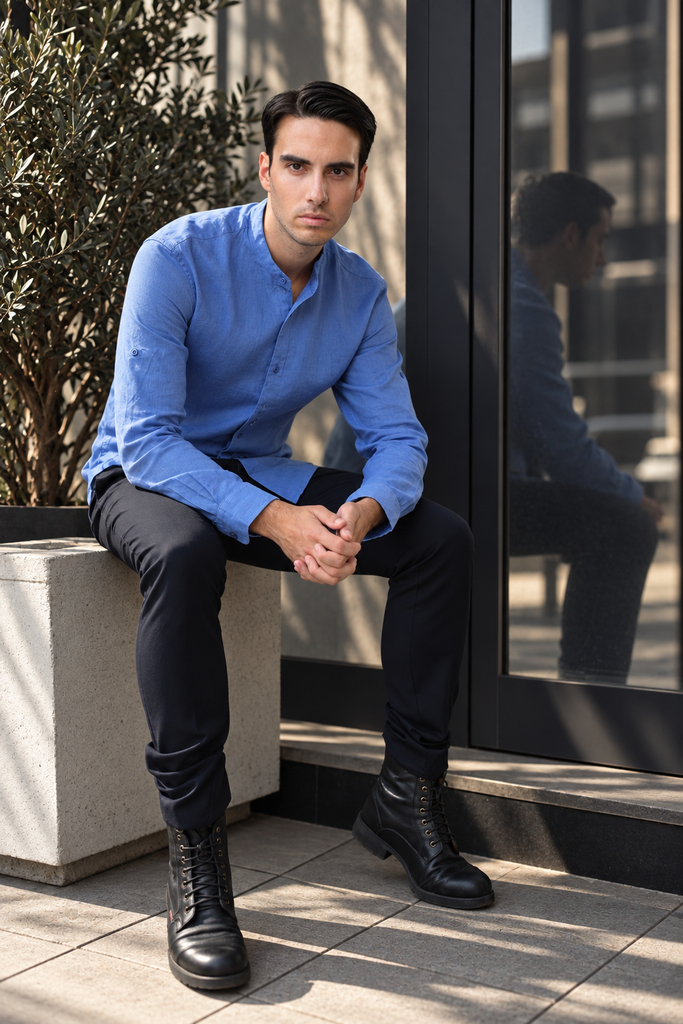
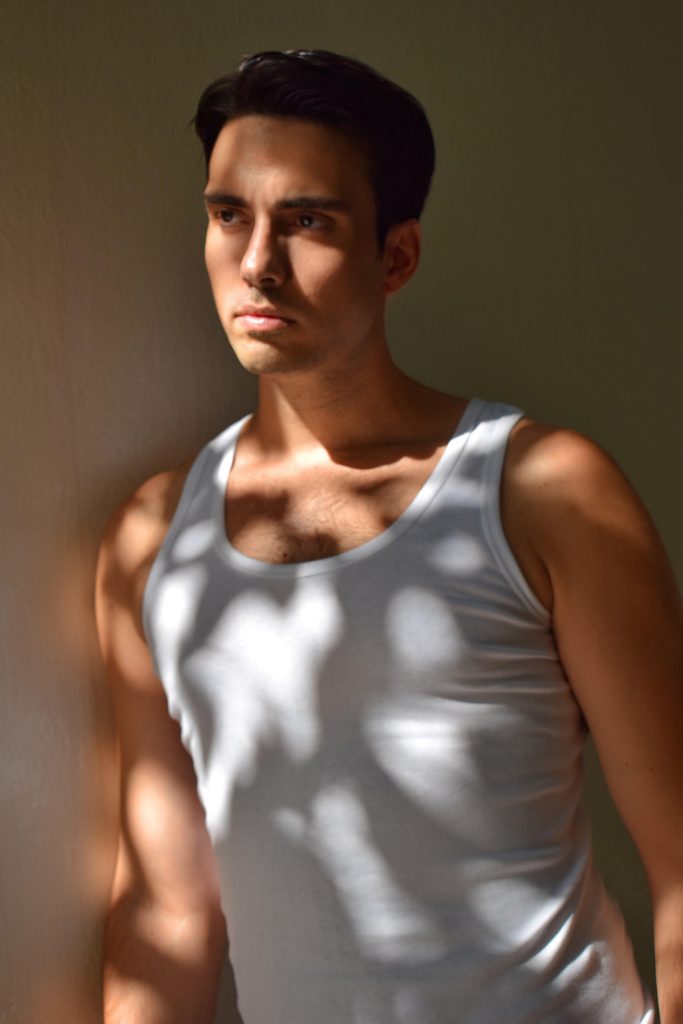
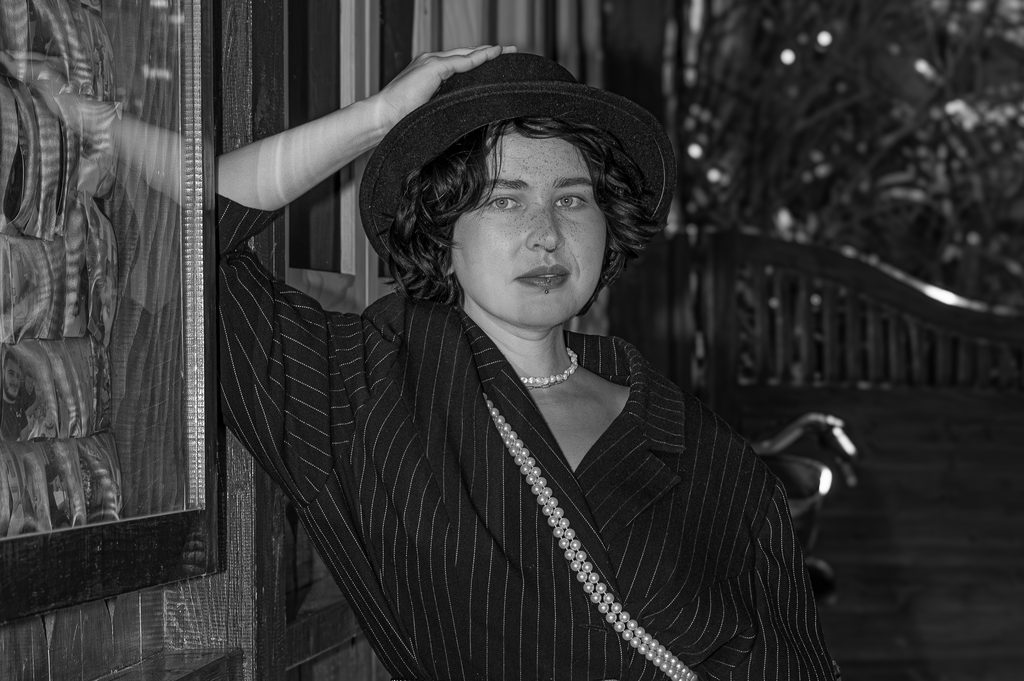
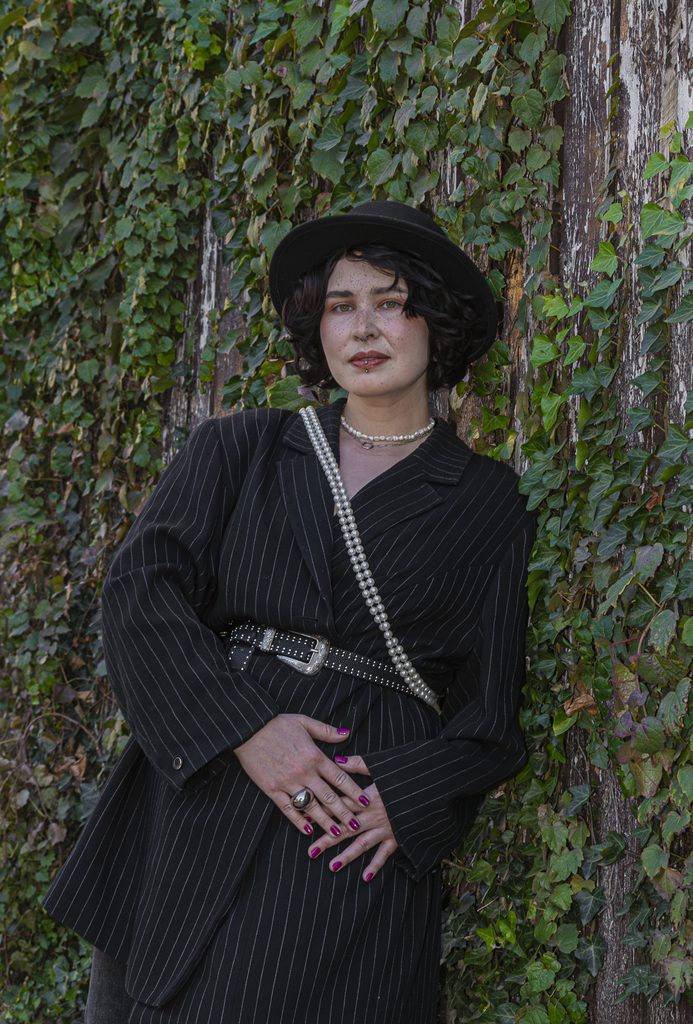
Dimitris Vasilopoulos brings a quiet intensity to the frame, moving naturally between classic tailoring and a more contemporary, understated edge. His presence is defined by structure: sharp silhouettes, controlled movement and an assured simplicity that allows the garment to remain central. From refined suiting to relaxed, urban styling, he carries contrasting aesthetics with the same composed attitude.

There is something deliberate in his presence — confident without excess, polished without becoming predictable. For Dimitris, modelling becomes less about transformation and more about presence: understanding the character of a garment, inhabiting its silhouette, and allowing the image to emerge through restraint.

Follow Dimitris at @dimitris_vasilopoulos.15

Credits

Central photo: @matthew_matthew78 photographer

Second photo: Malan Bretton fashion designer

Third photo: @matthew_matthew78 photographer

Fourth & fifth photo: @spyrosaronis_photography & @forevermatina MUA

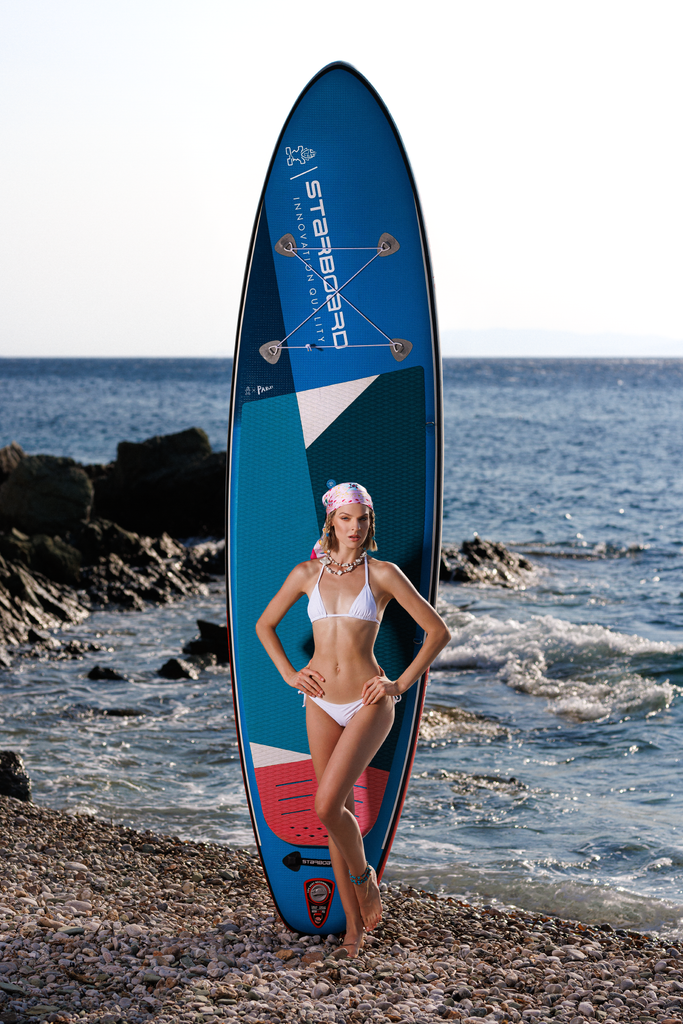
Salt & Silhouette

Where the sea becomes a stage, the body becomes architecture and summer is reclaimed as an attitude.

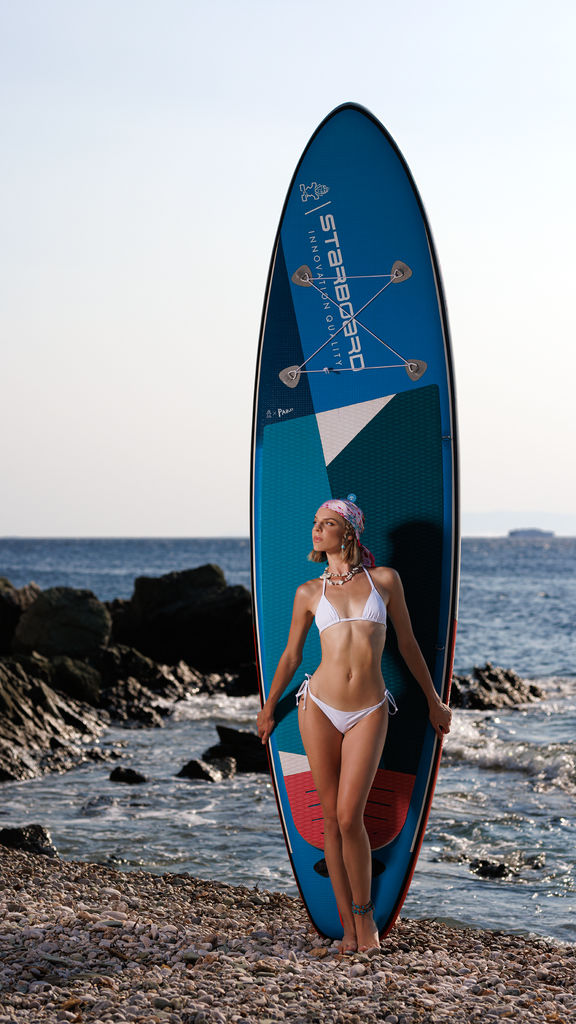
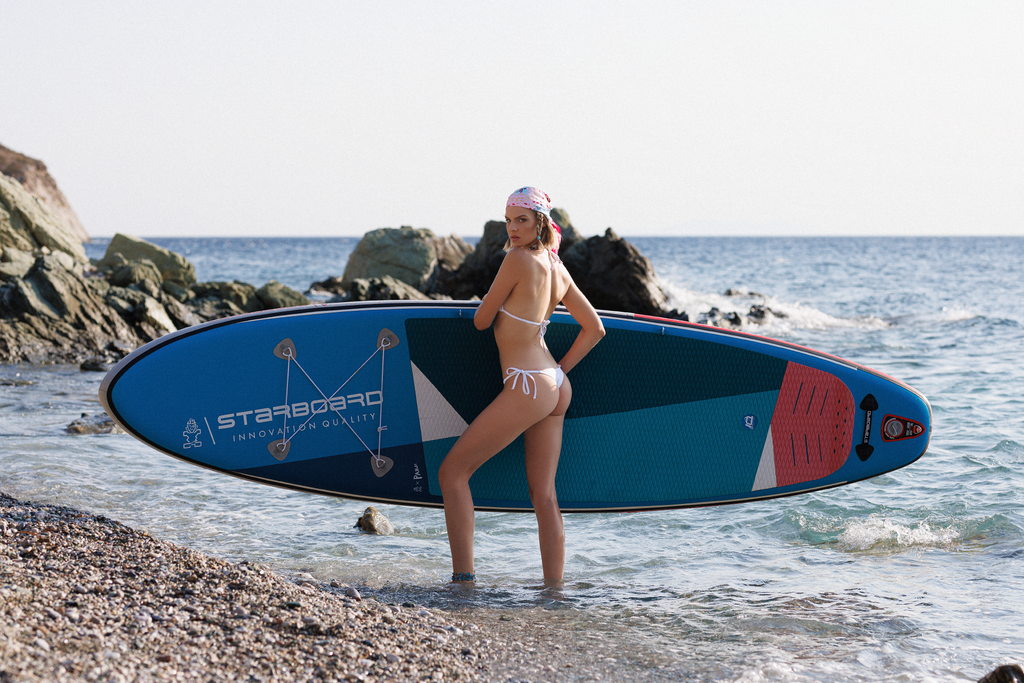
There is a particular kind of Mediterranean femininity that refuses to be decorative. It is sun-warmed, physical and unapologetically present. It belongs to the coast, to salt on the skin, to bare feet against stone, to the instinctive confidence of a woman who does not need permission to occupy space.

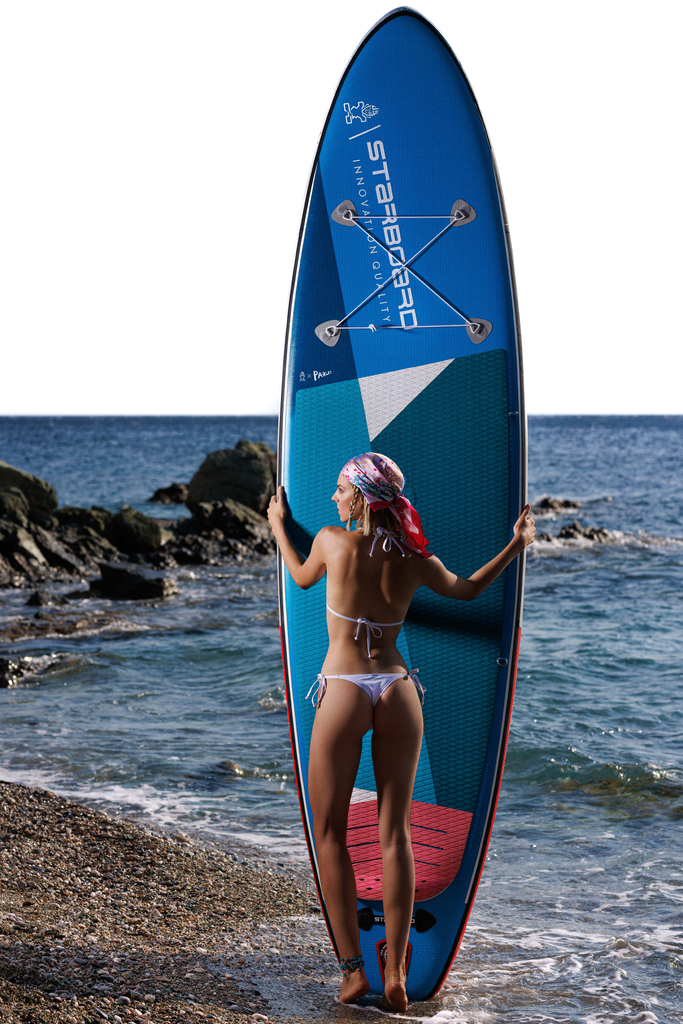
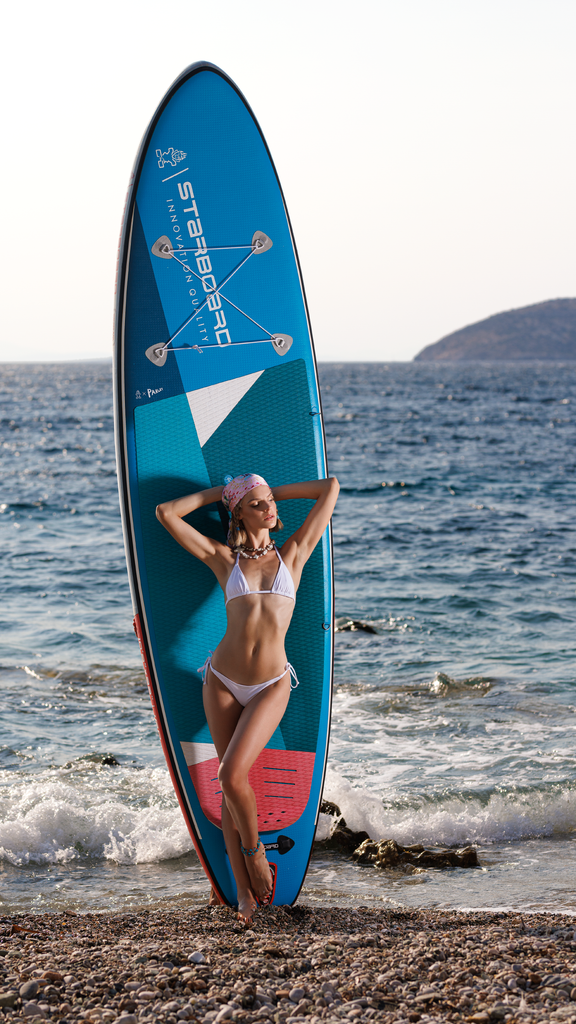
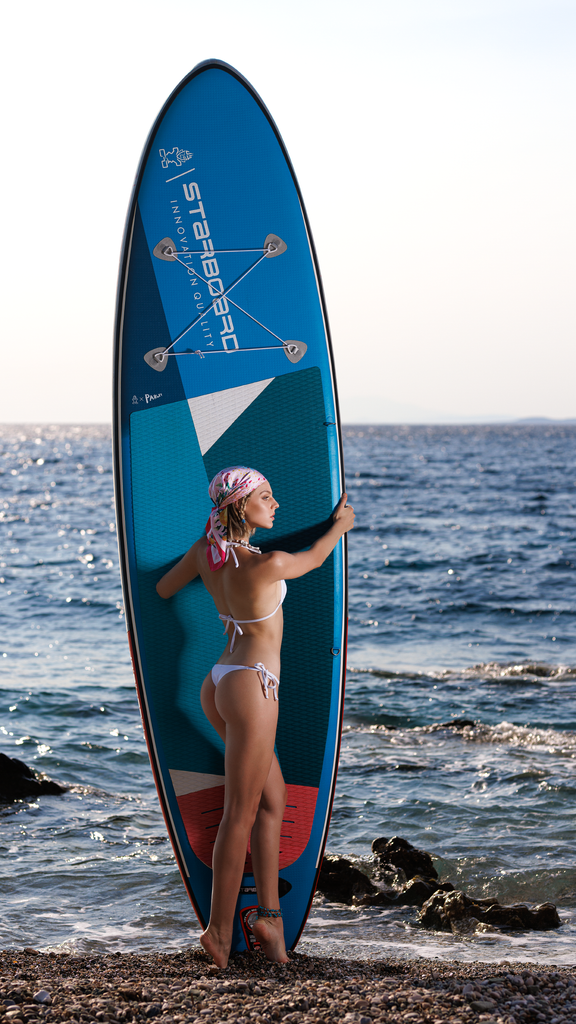
Here, the beach is not a postcard. It becomes a stage. The figure stands against the enormous geometry of the board, transforming what could be a simple image of summer into something more constructed. The surfboard rises almost like an architectural object behind her — a vertical frame that gives the body scale, structure and presence.

The contrast is deliberate: soft skin against hard surfaces, movement against geometry, water against construction. And somewhere between them, fashion finds its language.

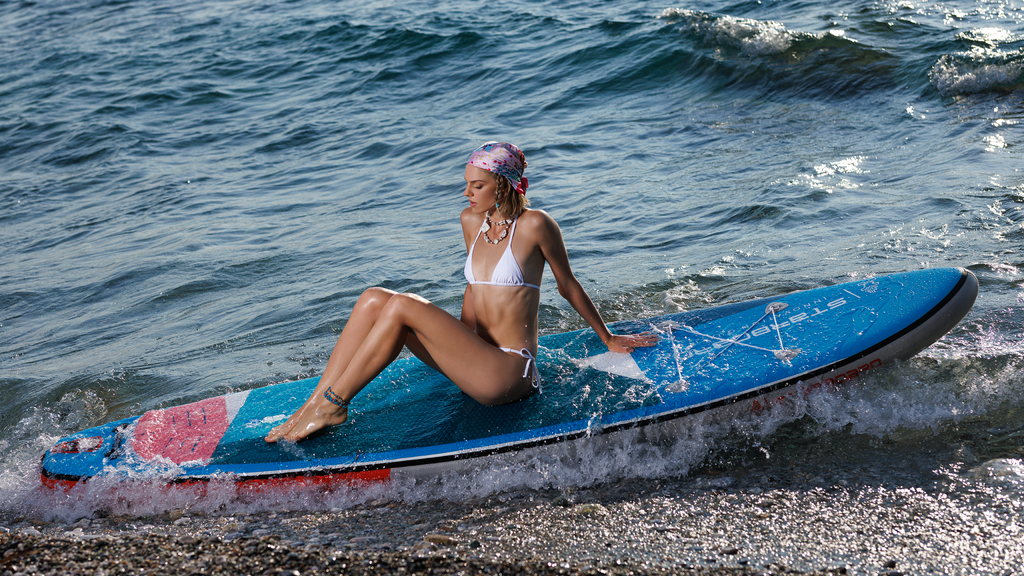
The bikini is stripped of unnecessary ornament. The styling feels personal rather than manufactured — a headscarf, layered jewellery, bare feet, the traces of a Mediterranean wardrobe assembled through instinct rather than trend.

Nothing needs to shout. The image works through attitude. This is not the fantasy of a distant Mediterranean. It is the Mediterranean as lived experience: imperfect rocks, changing light, salt water, heat, movement and a woman completely at ease within her own physicality.

The result is an image that sits somewhere between fashion editorial and modern mythology. And, well, the most contemporary Mediterranean image is not the one that sells a lifestyle. It is the one that captures a woman who already owns it.

RAW.F EDITORIAL NOTE: THE MEDITERRANEAN IS NOT A TREND.
IT IS A LANGUAGE.

Four may follow the contributors at:

Fashion Director/Stylist: Katerina Konti @ katkonti4

Model: Karolina Kloss @karolina.kloss

Photographer: Daniel Wojtunik @danielwojtunik

MUA: Juliia Kuzmenko @kuzmenko_mua_athens

Swimwear: ifeel.sexy @ifeel.sexy

Nebula Alchemist

Remember the Name
Appassionata by Ioulia Louvari

WHERE NYMPHS BECOME ALCHEMISTS, NATURE BECOMES TEXTILE, AND FASHION RETURNS TO MYTH.
Nebula Alchemist

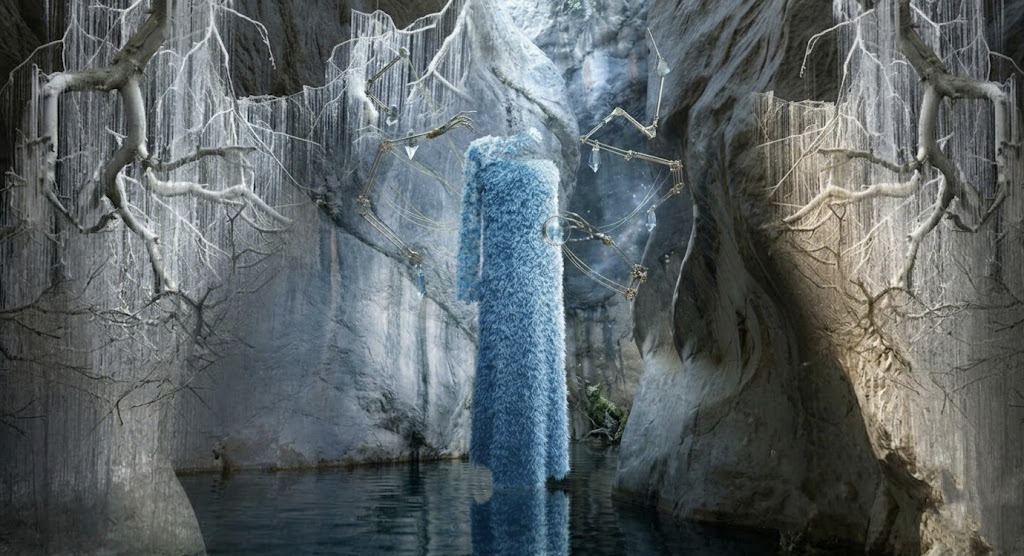
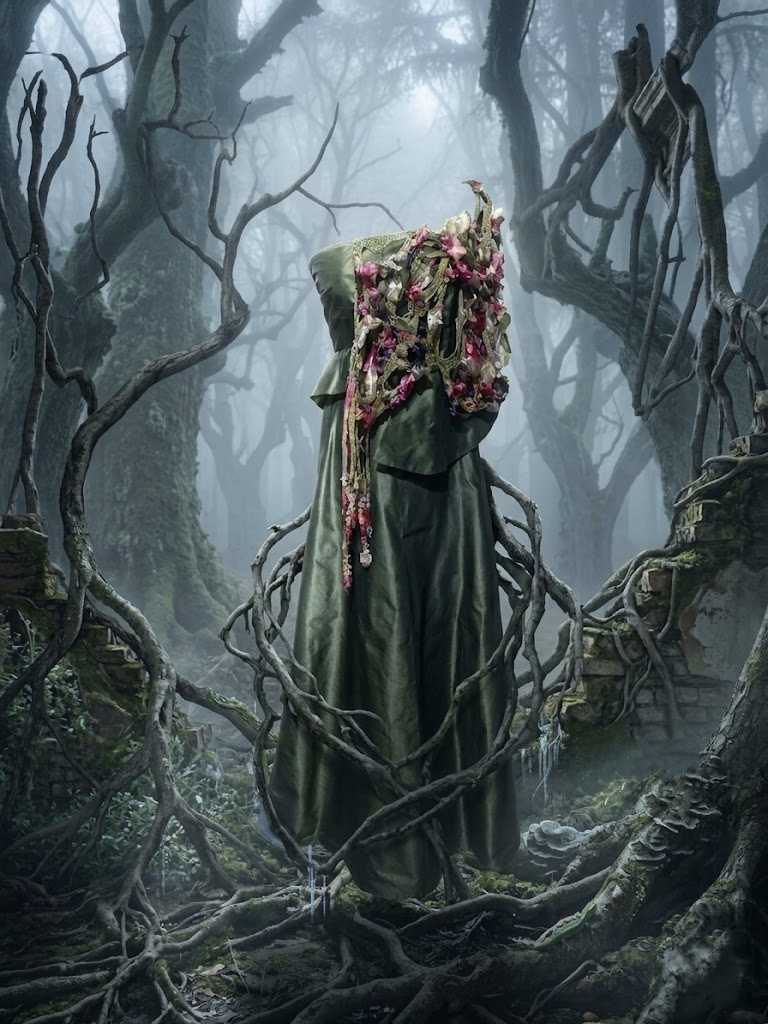
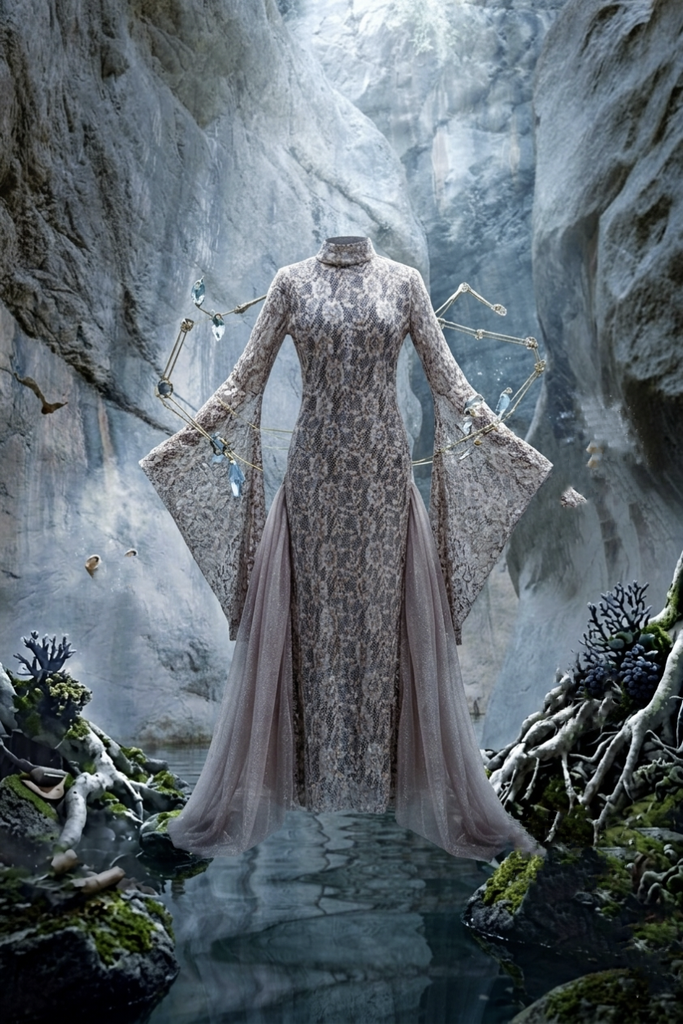
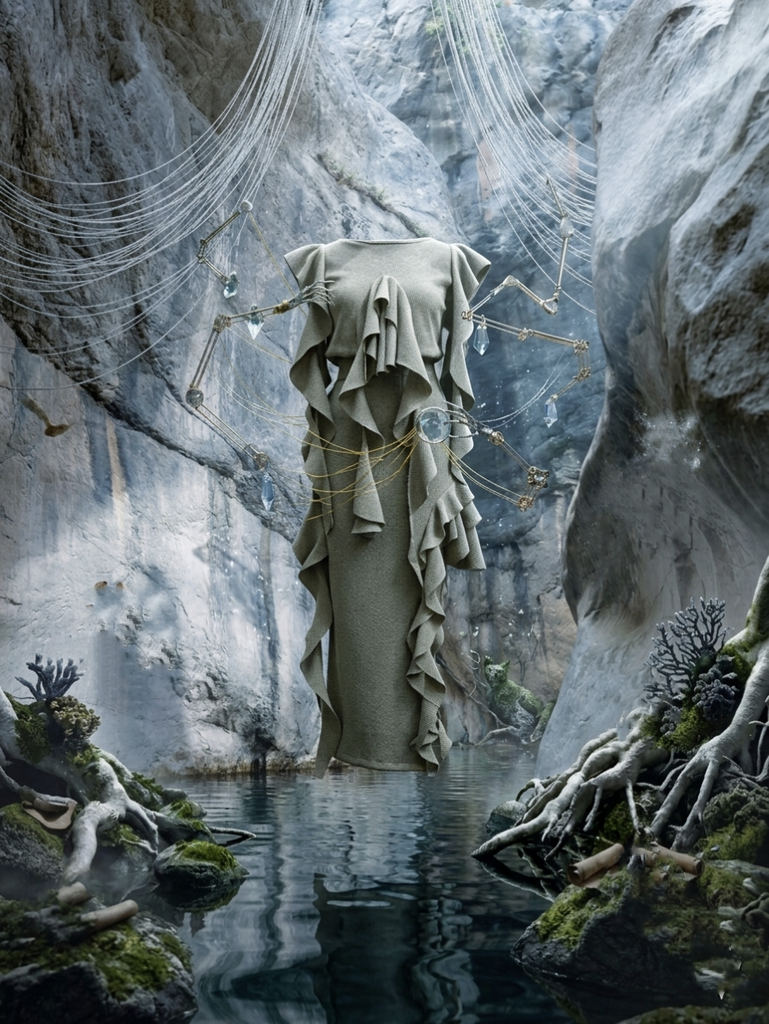
Nebula Alchemist enters a world where fashion is not separated from nature, but emerges from it.

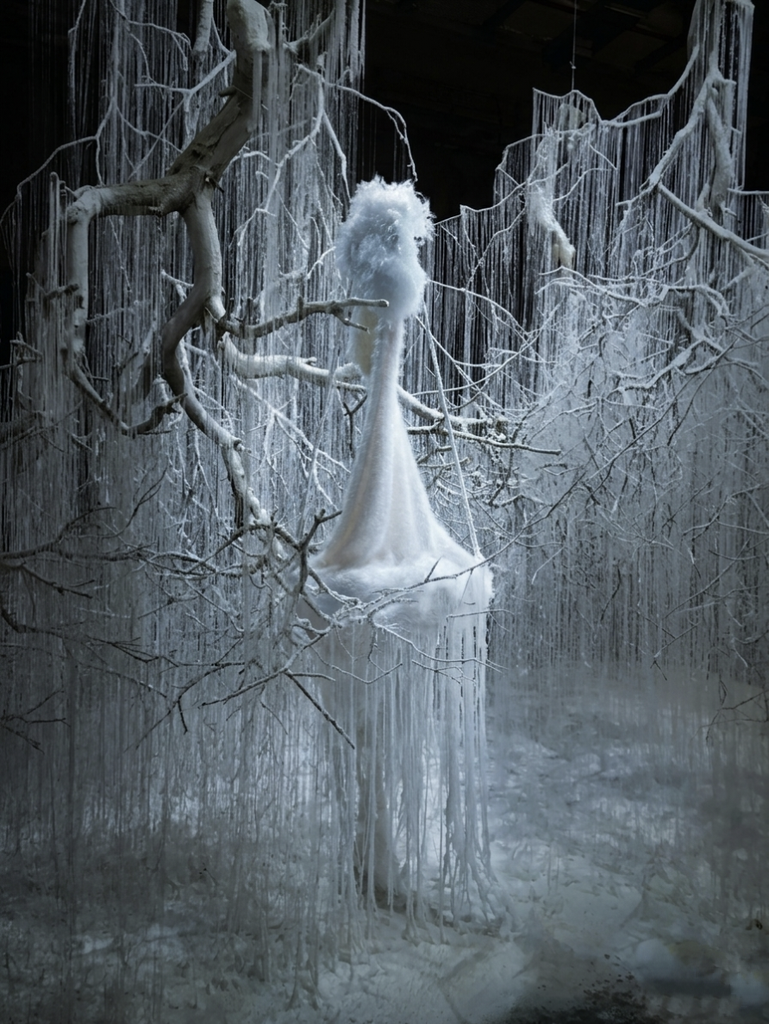
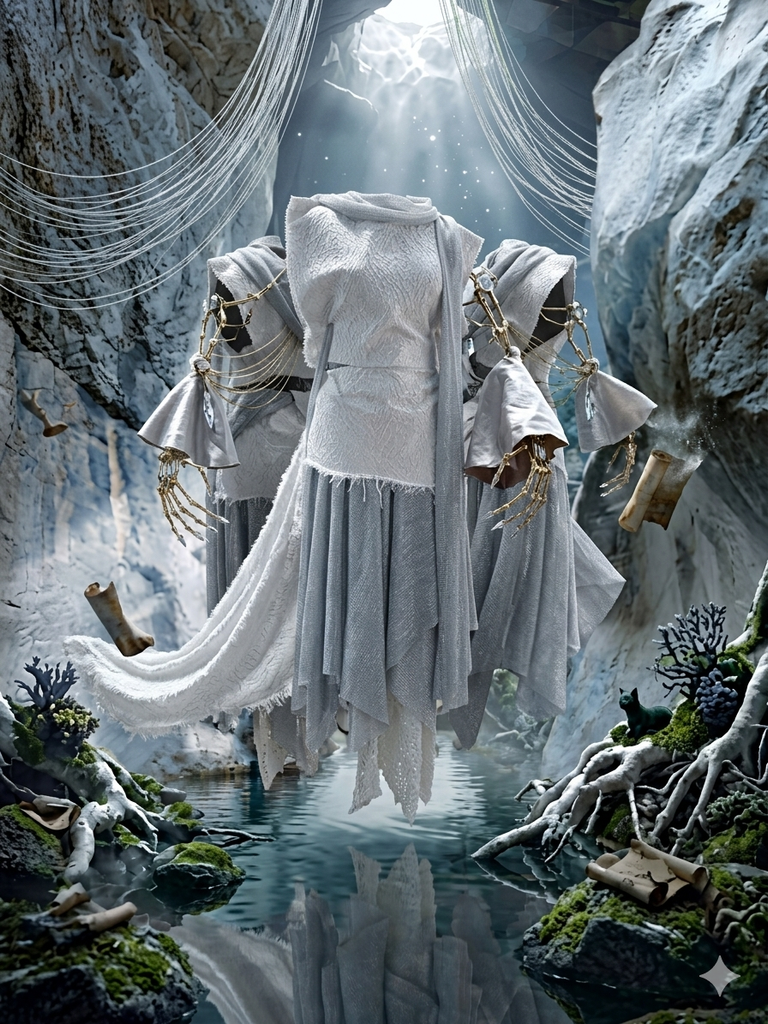
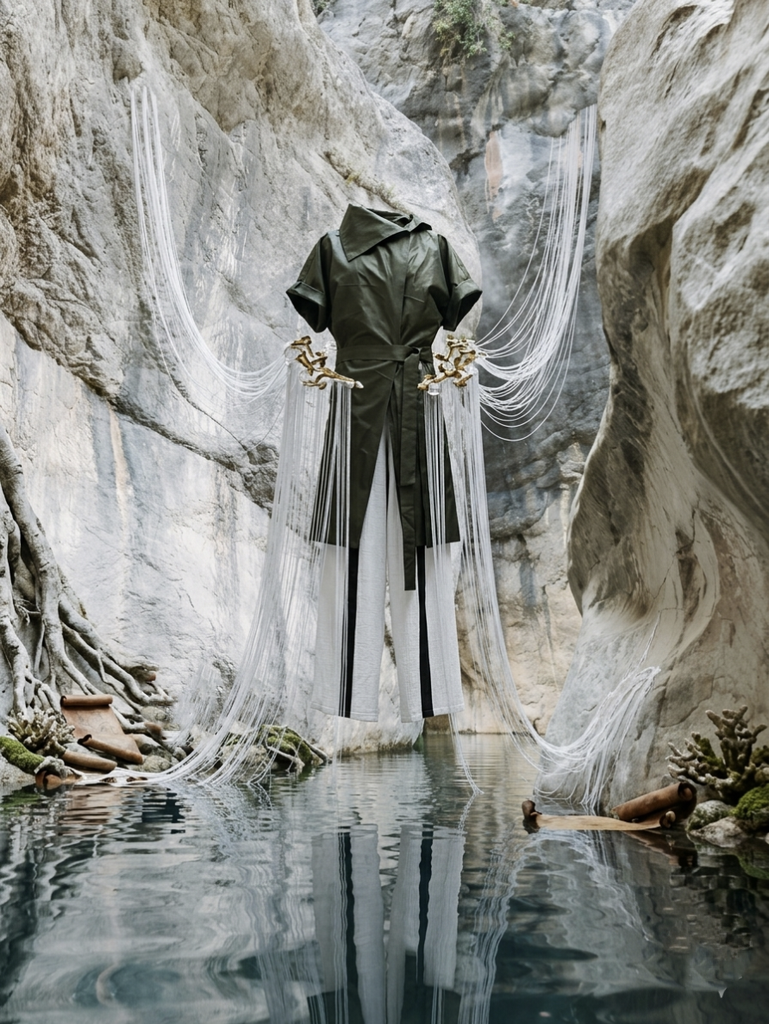
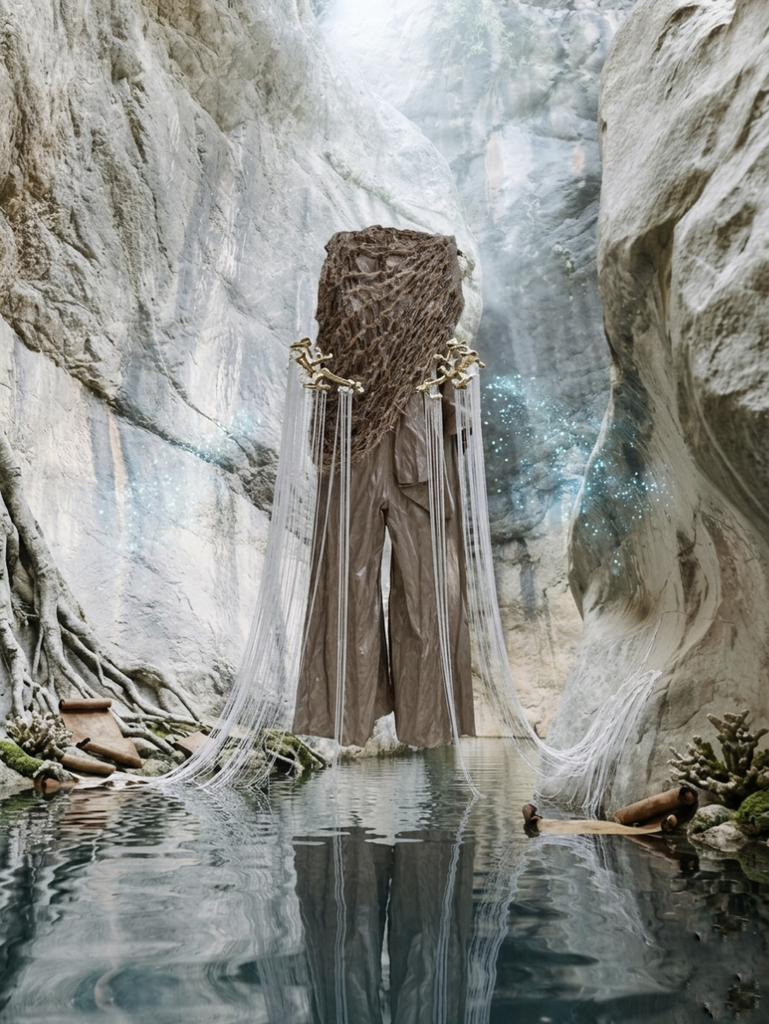
Inspired by the primordial Nymphs — Dryads, Naiads, Nereids and the ethereal forces of the sky — the collection imagines these beings as the first alchemists: transforming elements of the natural world into textile, ornament and form. Starlight becomes lace. Mud becomes taffeta. Water becomes silk.
At the centre of this universe stands Nefeli, the Nymph of the Clouds, a figure suspended between earth and cosmos. She embodies fluidity, transformation and the passage between visible and invisible worlds. In the designer’s vision, the garment is therefore not simply constructed; it is composed, as though it has evolved rather than been manufactured.

The visual language of Nebula Alchemist embraces dark botanical romanticism, organic textures, sculptural silhouettes and the evidence of time. Deep greens and muted natural tones meet flowers, roots, weathered surfaces and fragmented ornament. The body appears almost absorbed into the landscape — a mysterious figure emerging from the forest rather than merely standing within it.

Raw edges, fraying and signs of wear become intentional elements of the design. They suggest garments that have survived, aged and been rediscovered, carrying the traces of both human creation and natural decay.  The result is a collection situated somewhere between couture, mythology and ecological fantasy: an imagined wardrobe for beings who belong neither entirely to the earth nor to the stars.

Nebula Alchemist is fashion as transformation — nature becoming garment, garment becoming relic, and relic returning to the cosmos.

Follow Appassionata by Ioulia Louvari at @appassionata_by_ioulialouvari

The Dreamers

Remember the Name

Vera Komlik

WHERE ROMANTICISM MEETS CHARACTER, CRAFT BECOMES STORY, AND CHILDHOOD IMAGERY IS REIMAGINED THROUGH FASHION.

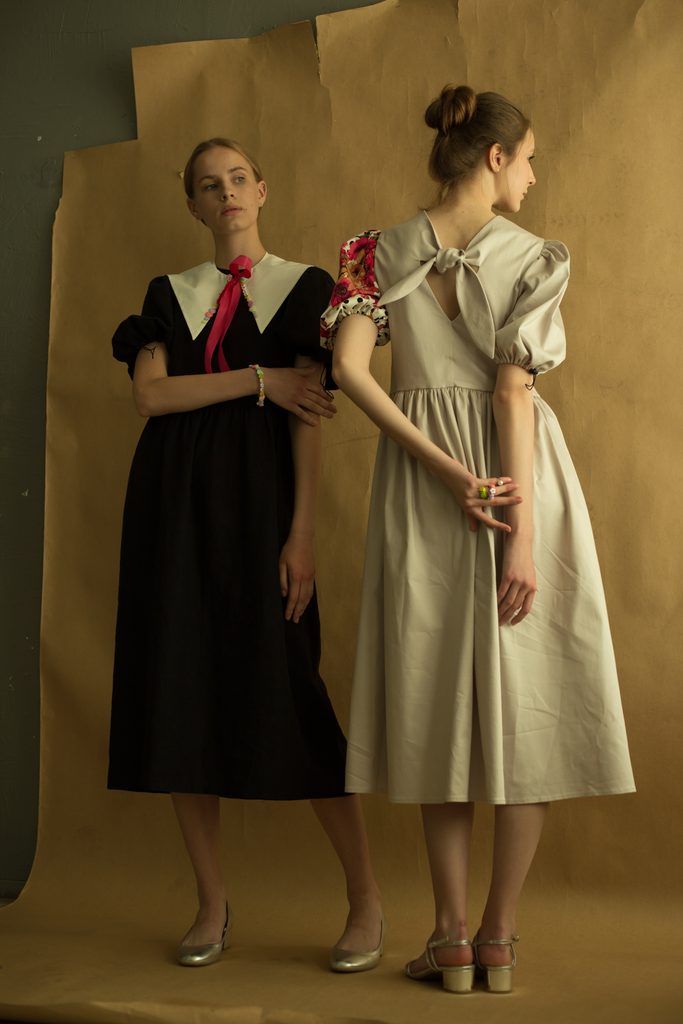
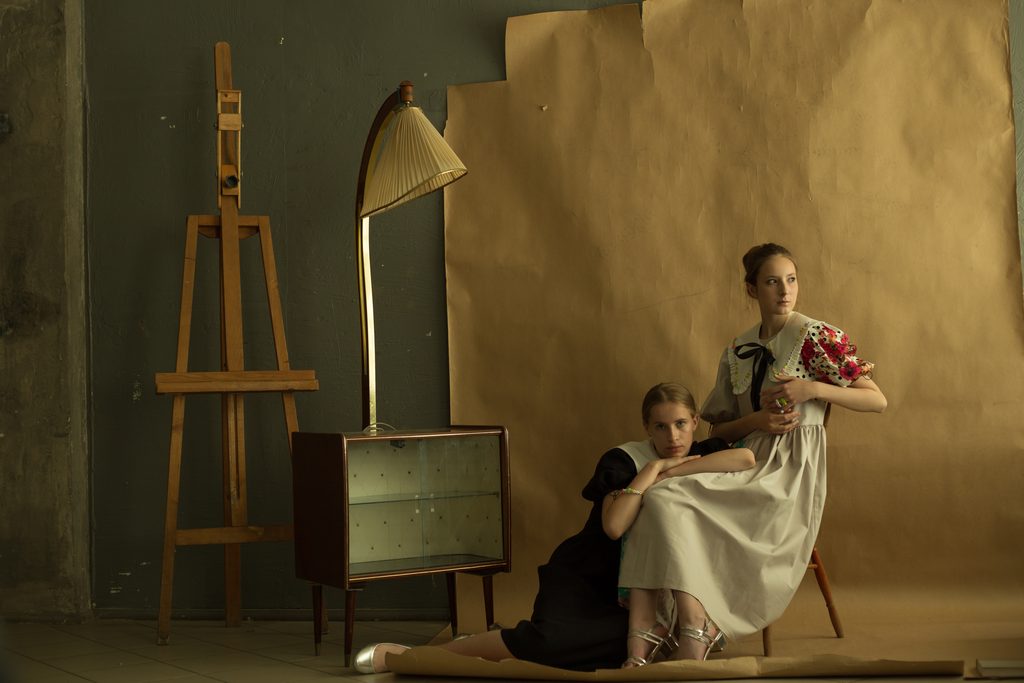
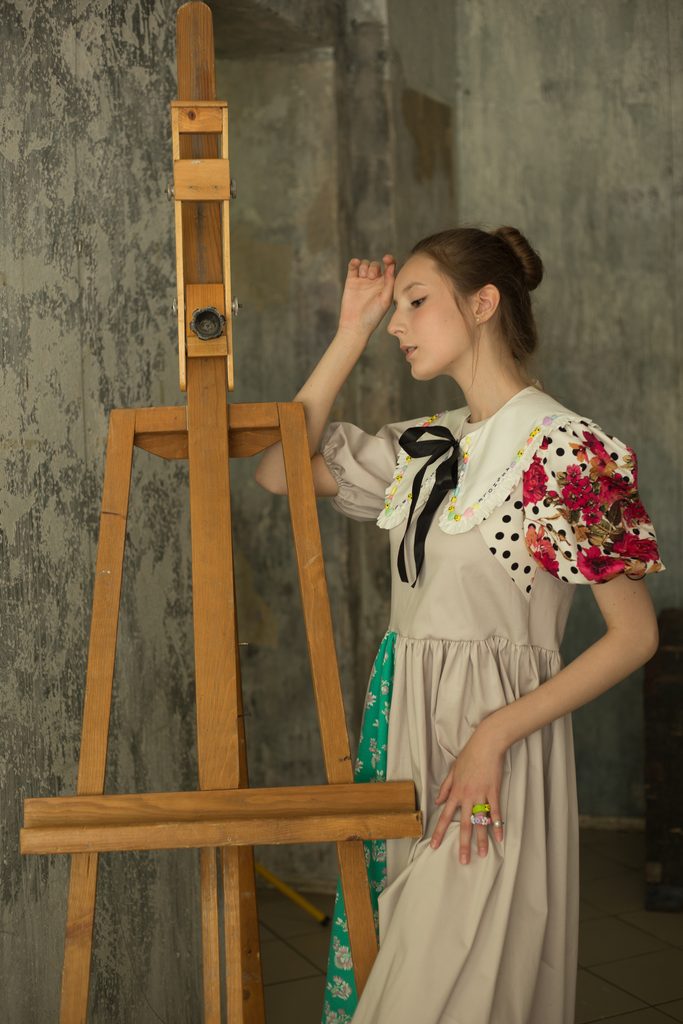
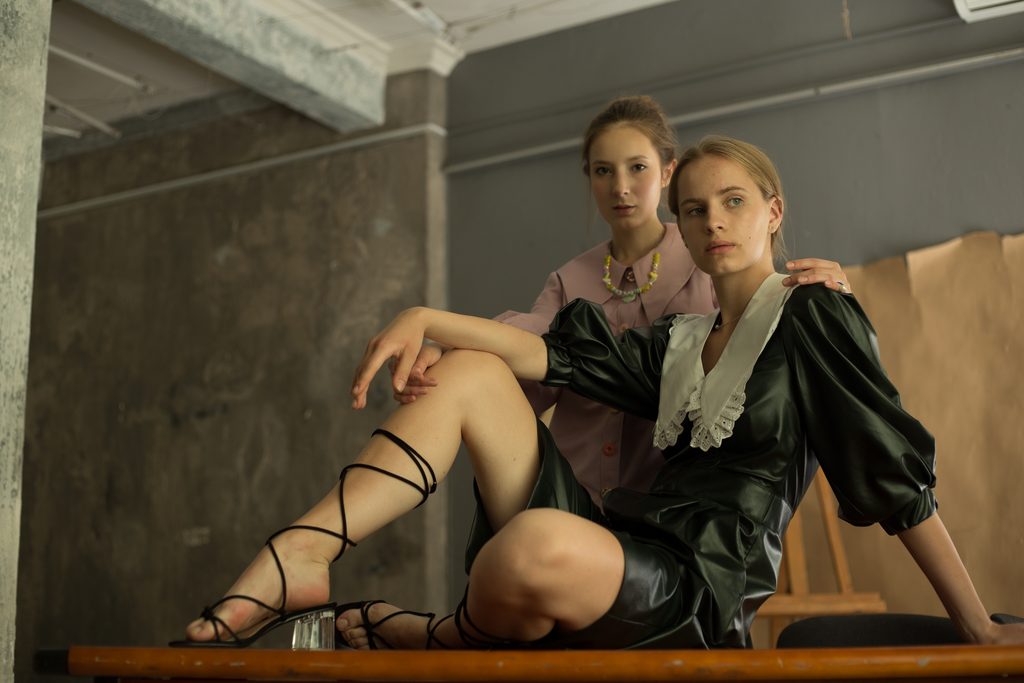
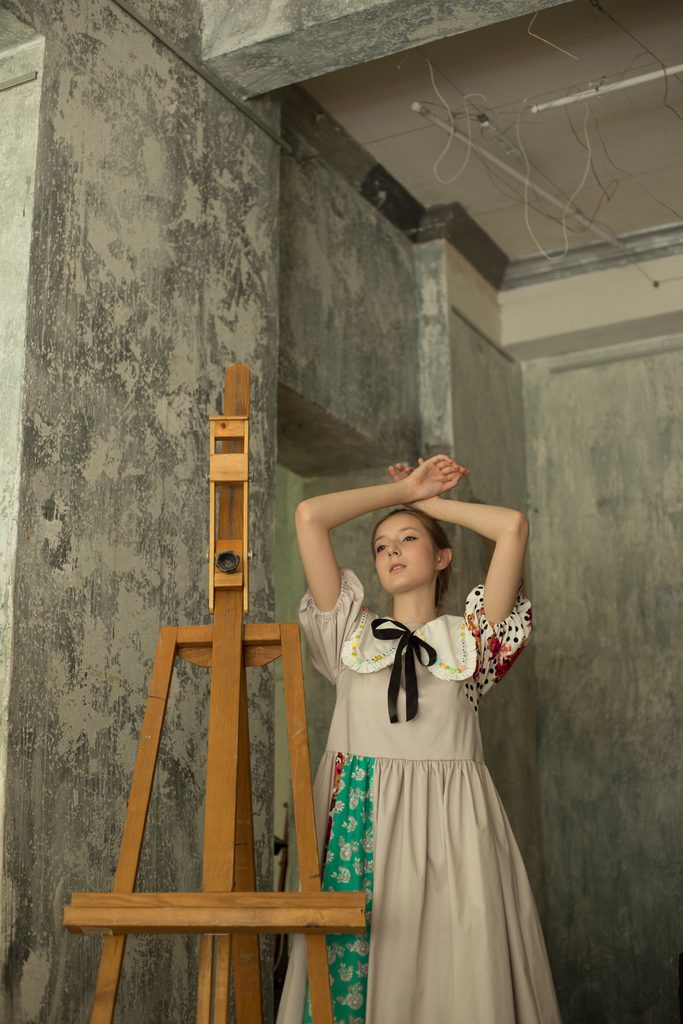
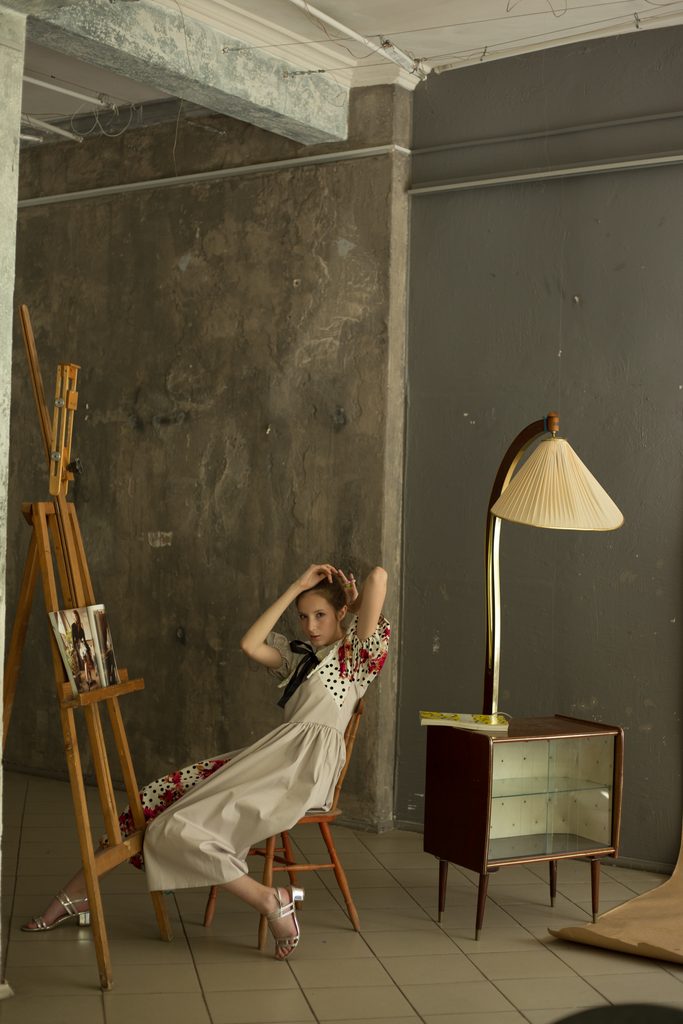
Vera Komlik approaches fashion as a language of character, creating garments that inhabit a space between romanticism, nostalgia and contemporary femininity. In her visual world, clothing becomes inseparable from storytelling. Delicate fabrics, floral embellishment, carefully considered details and softly structured silhouettes create an atmosphere that feels intimate yet theatrical. The garments carry a sense of innocence, but it is an innocence transformed, sophisticated, layered and deliberately constructed.The contrast between the two looks is particularly striking. An ivory dress, animated by floral detailing and a distinctive sculptural sleeve, evokes romantic femininity without becoming conventional. Beside it, a darker silhouette introduces another register: quieter, more mysterious and almost cinematic.

Together, the garments suggest different characters inhabiting the same imagined narrative.Vera Komlik’s aesthetic draws strength from the tension between delicacy and individuality. Her designs do not simply decorate the body; they help construct a persona around it. Colour, texture, ornament and silhouette become tools for creating atmosphere and emotional presence.There is something distinctly tactile in the work, with garments designed to be experienced through their surfaces, details and movement.

The result is fashion that feels romantic without being fragile, nostalgic without becoming retrospective, and feminine without surrendering character.Vera Komlik creates clothes with a sense of narrative — garments that do not simply dress a woman, but give her a world to inhabit.

Follow Vera at @vera_mamin_dezigner

  • 1
  • 2