REMEMBER THE NAME: FAUSTINE LANTHIEZ

The Architecture of Rebellion

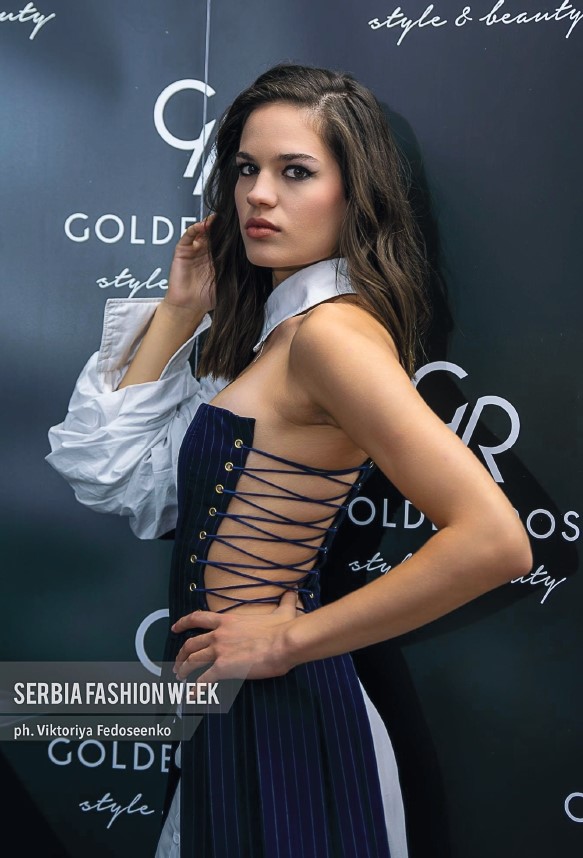
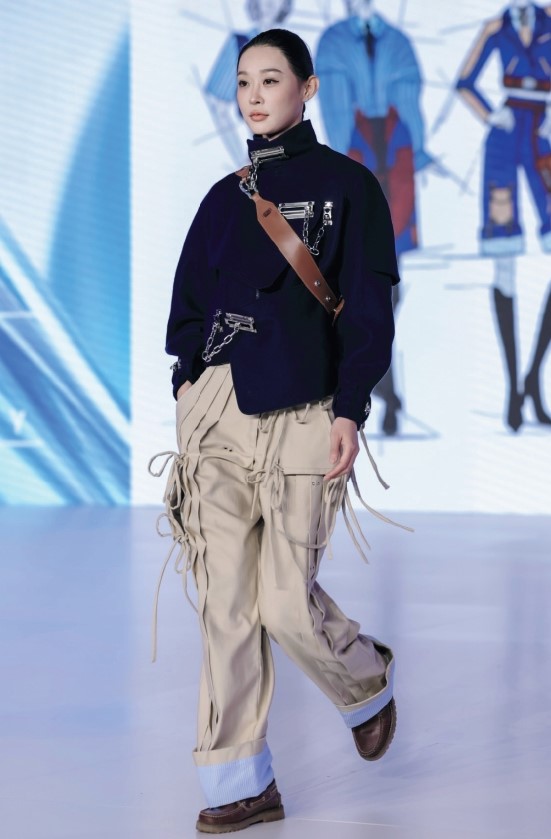
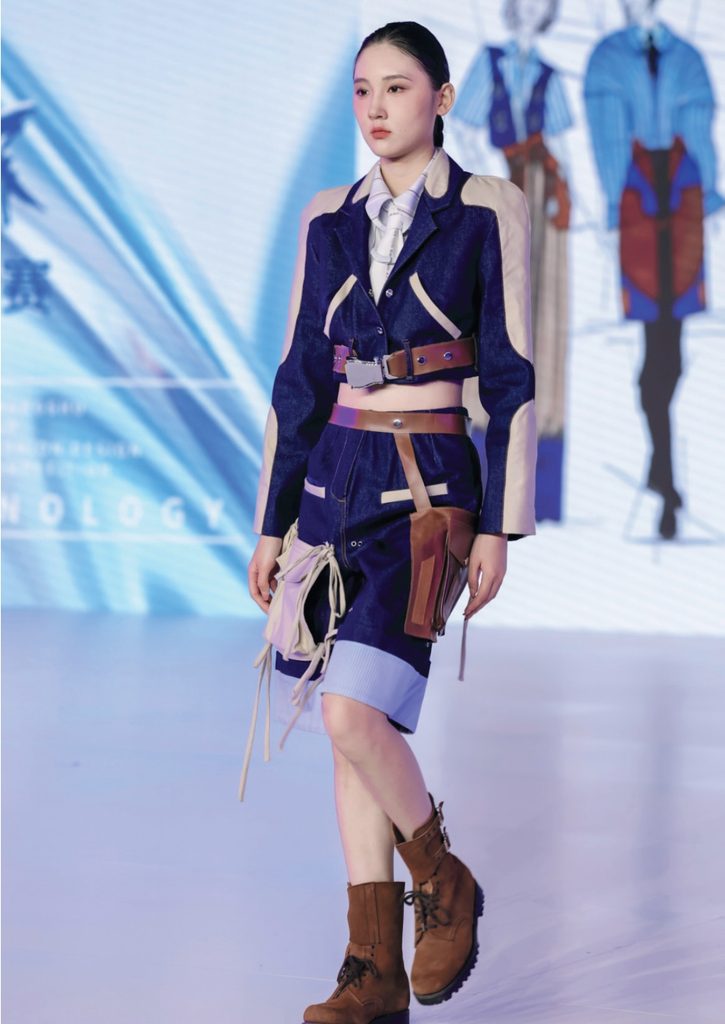
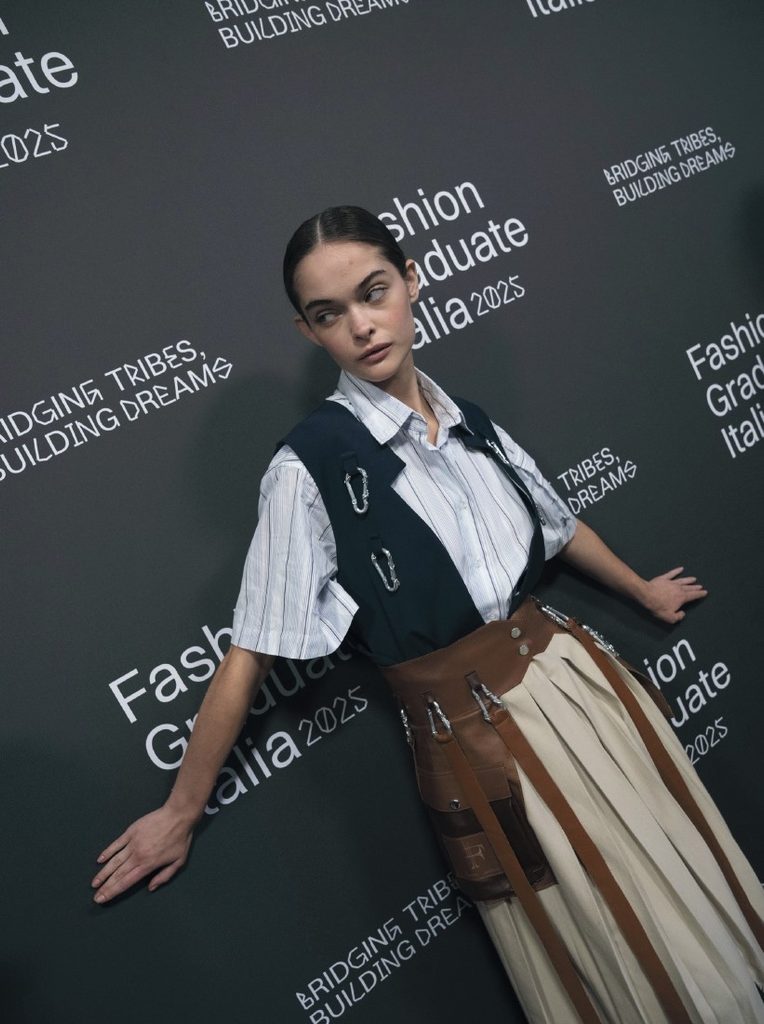
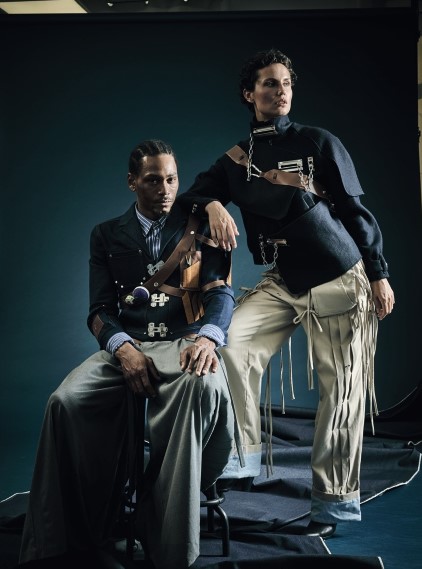
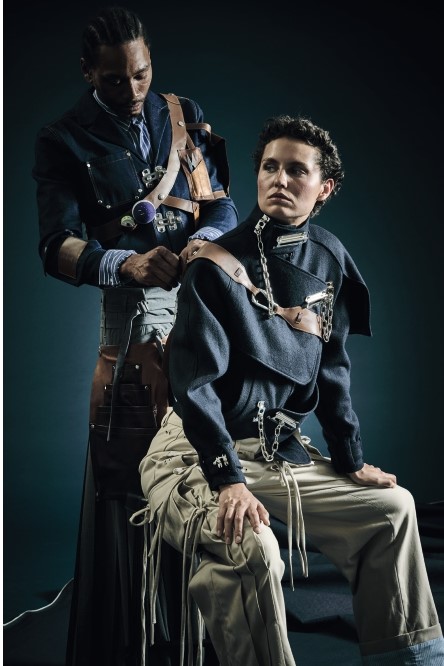
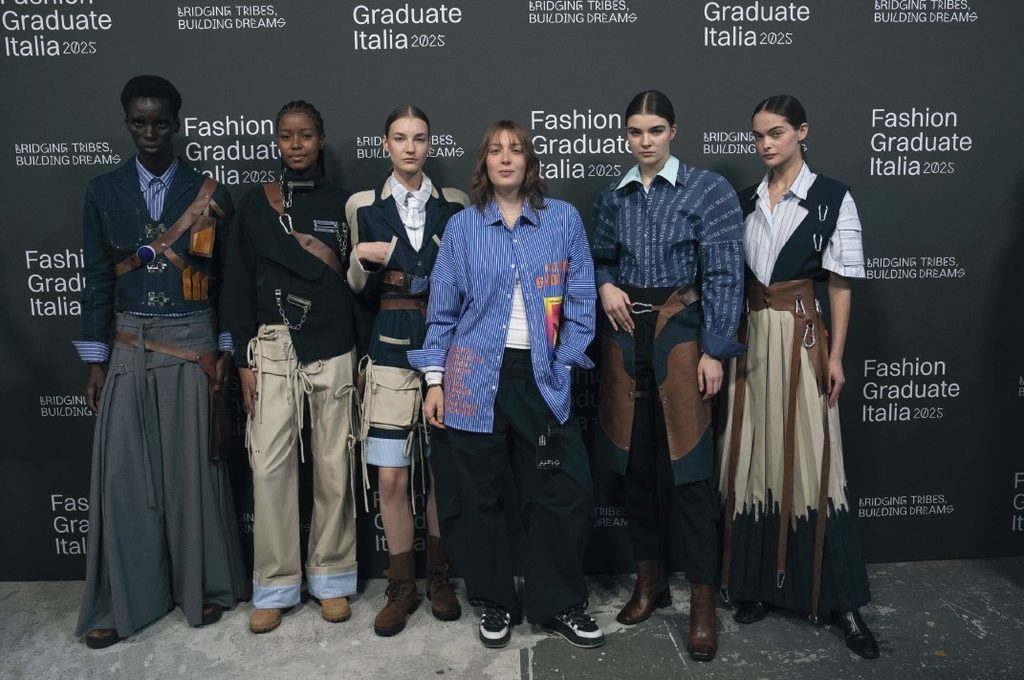
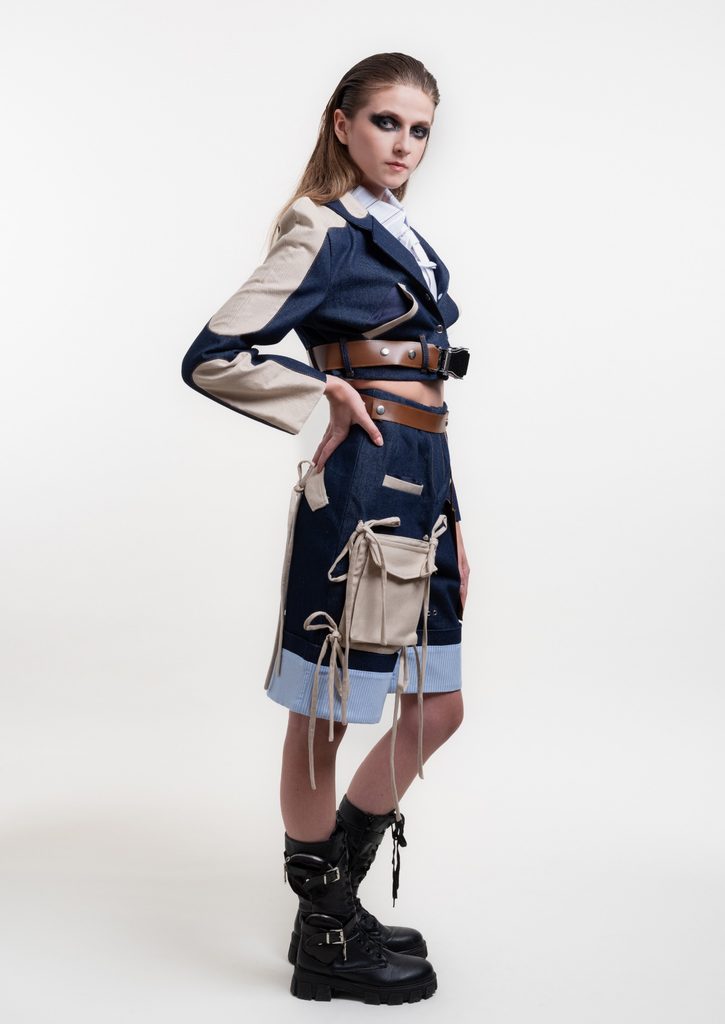
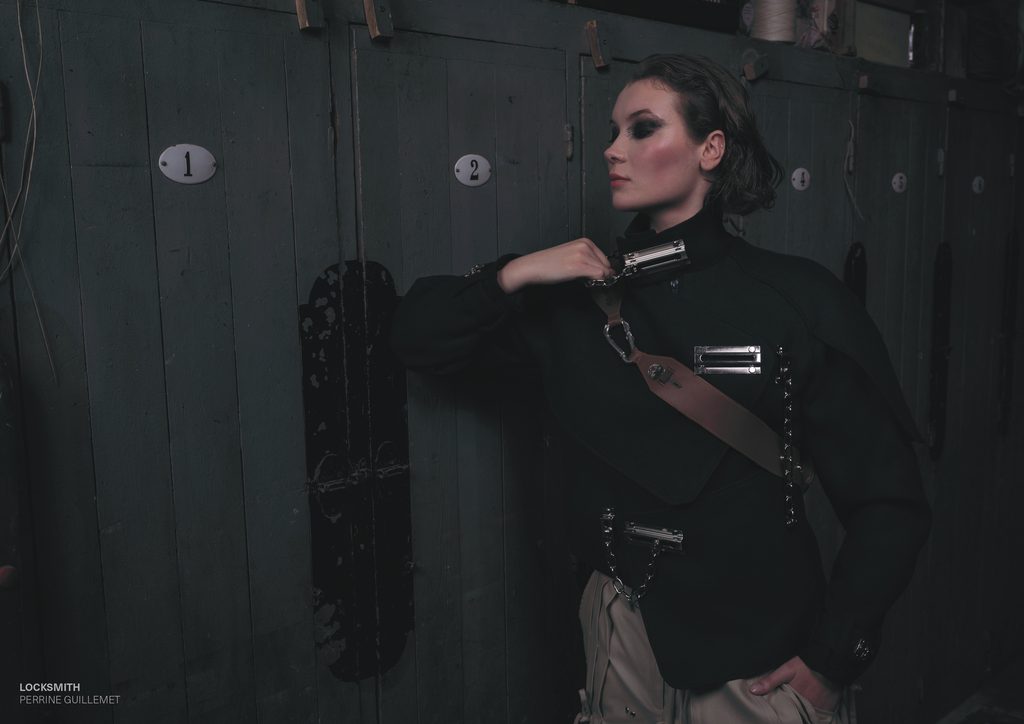
Fashion is not always about dressing the body. Sometimes, it is about challenging the rules that surround it. There is something quietly rebellious about the work of Faustine Lanthiez. Her designs exist somewhere between military discipline, industrial architecture, and contemporary fashion, creating a visual language that feels both controlled and deliberately unconventional.

Structured silhouettes collide with unexpected proportions. Leather harnesses, metallic fastenings, chains, and utilitarian details transform familiar garments into statements of individuality. Nothing feels purely decorative. Every buckle, strap, and construction detail appears to have a purpose, even when that purpose is to challenge convention.

What makes her work particularly compelling is its relationship with gender. Masculine tailoring becomes a starting point rather than a limitation. The garments resist traditional definitions, allowing strength, vulnerability, elegance, and rebellion to coexist. There is also a fascinating tension between restriction and freedom. The harnesses suggest control, while the exaggerated volumes and fluid trousers introduce movement. It is precisely this contradiction that gives the collection its character.

Faustine Lanthiez’s aesthetic does not rely on spectacle alone. Its impact comes from the dialogue between craftsmanship, experimentation, and attitude. In an industry often preoccupied with what comes next, her work offers something more interesting: a distinctive perspective on what clothing can represent. Faustine Lanthiez is a name worth watching.
REMEMBER THE NAME: MOONCLAIRE

Far and Beyond

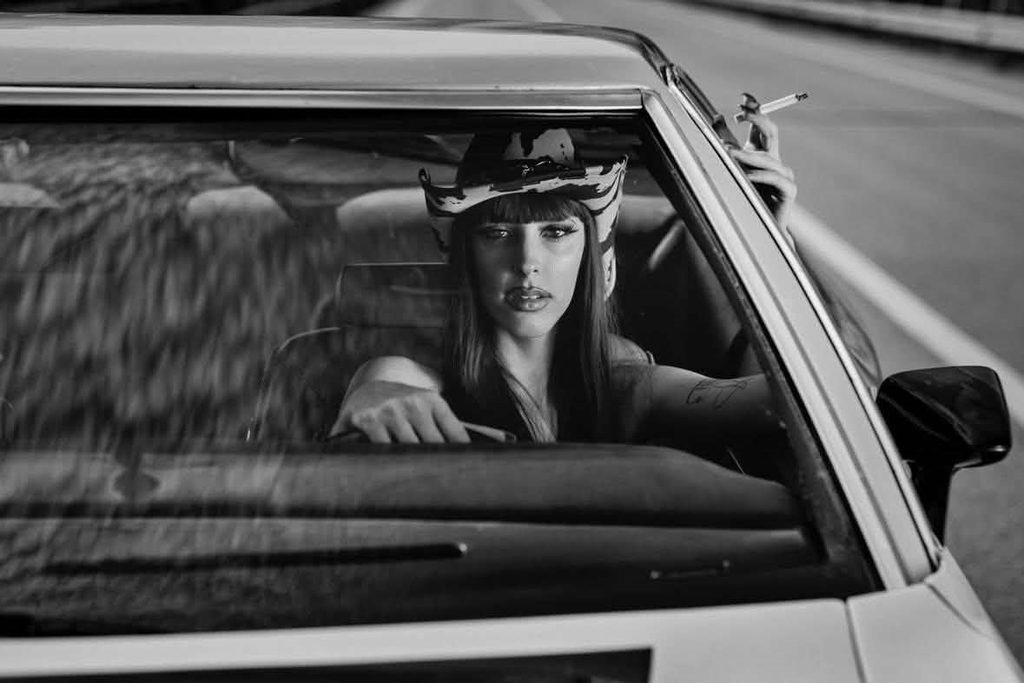
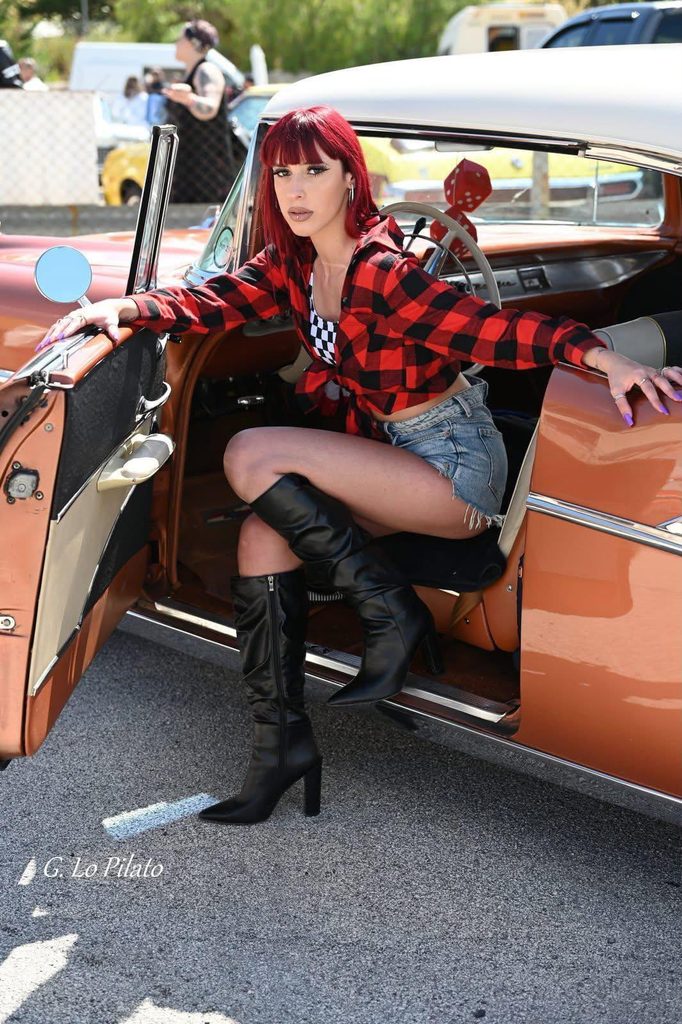
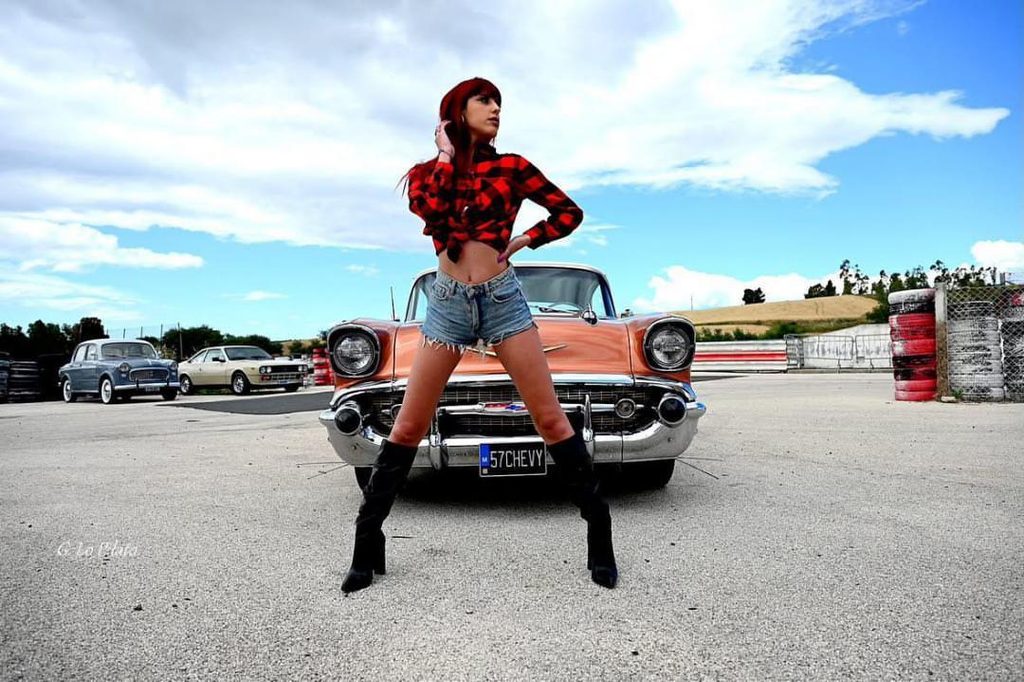
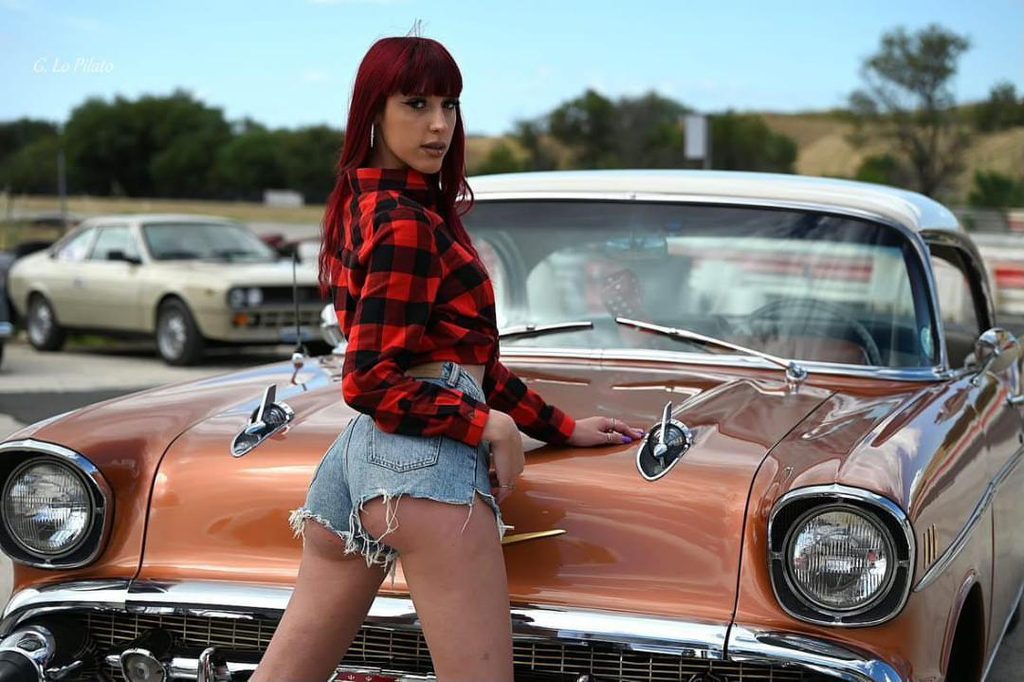
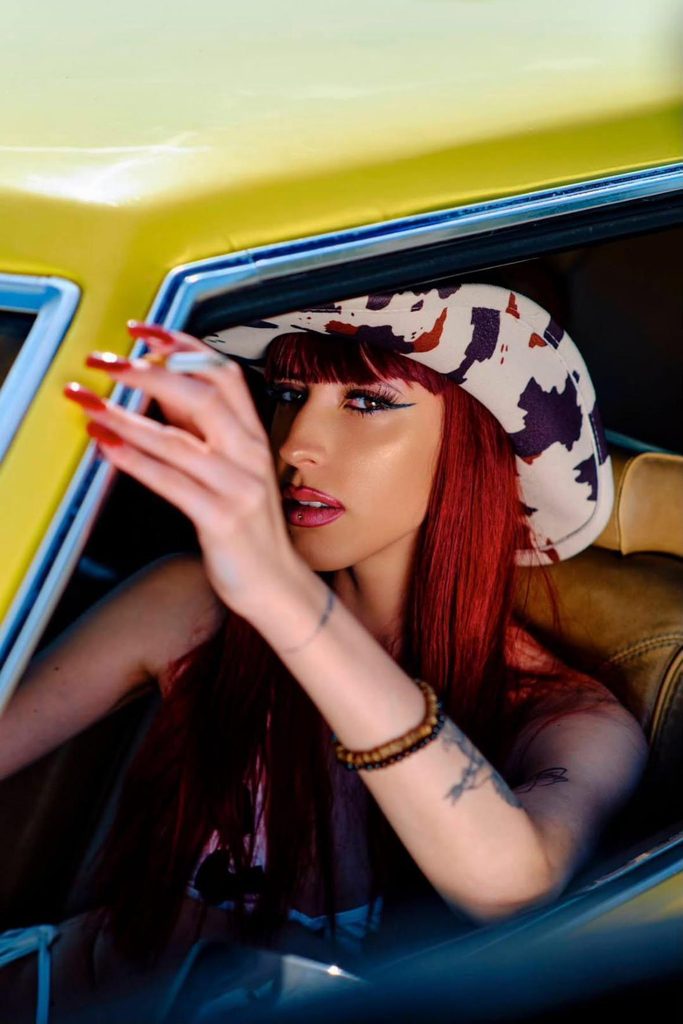
Some faces belong to fashion. Others belong to a story that refuses to be contained within a frame. Moonclaire belongs to the latter. There is something unapologetically cinematic about her presence. A vintage Chevrolet, a rebellious gaze, the unmistakable attitude of a woman who understands that individuality is not something to be negotiated.

Moving between retro Americana and contemporary underground aesthetics, Moonclaire embodies a visual contradiction: femininity without fragility, sensuality without submission, nostalgia without belonging to the past. Her image carries the restless spirit of the open road.

The cowboy hat, the leather boots, the raw confidence. Nothing feels overly constructed. Everything suggests freedom, movement, and an instinctive refusal to conform. Yet beyond the styling lies something more compelling: an attitude that cannot be manufactured. Fashion has always been fascinated by rebellion, often reducing

Follow Moonclaire at @mooncalire_1_

REMEMBER THE NAME: VANESSA HARTE

Persona Non Grata — The Reverse

What if the face we see is only a fraction of the soul beneath it?

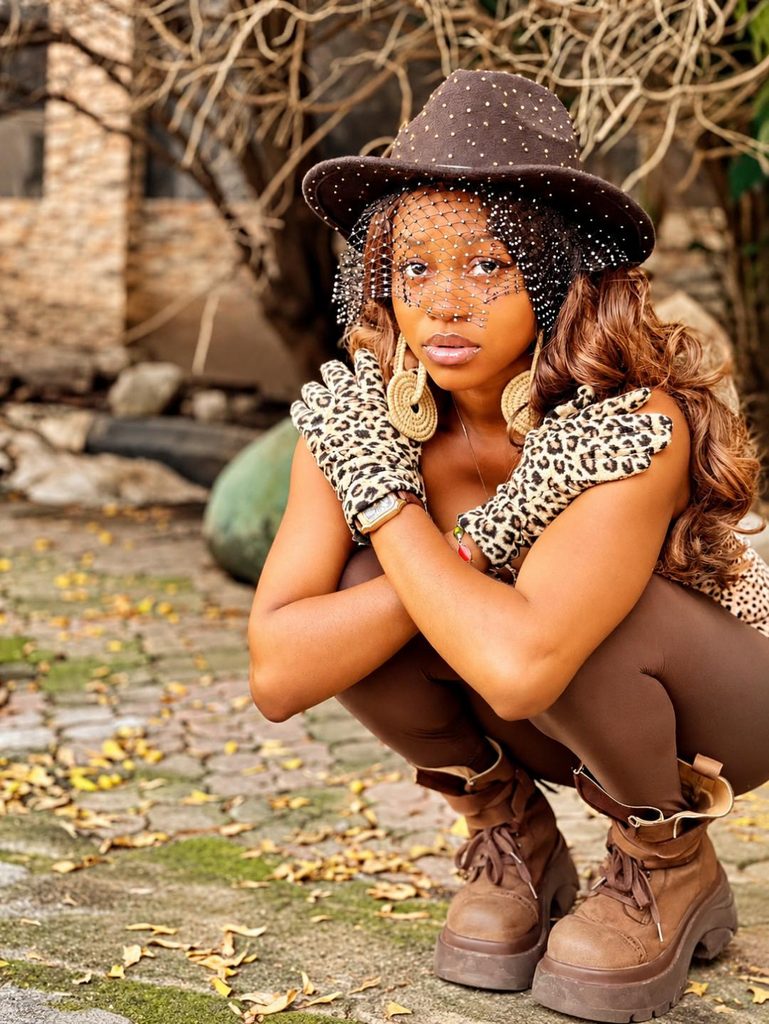
In Persona Non Grata — The Reverse, Vanessa Harte becomes the protagonist of a visual narrative that challenges first impressions and questions the boundaries between appearance, identity and perception. Through a striking interplay of textures, earthy tones and unconventional accessories, the image evokes a figure suspended between the primitive and the sacred, the untamed and the divine.

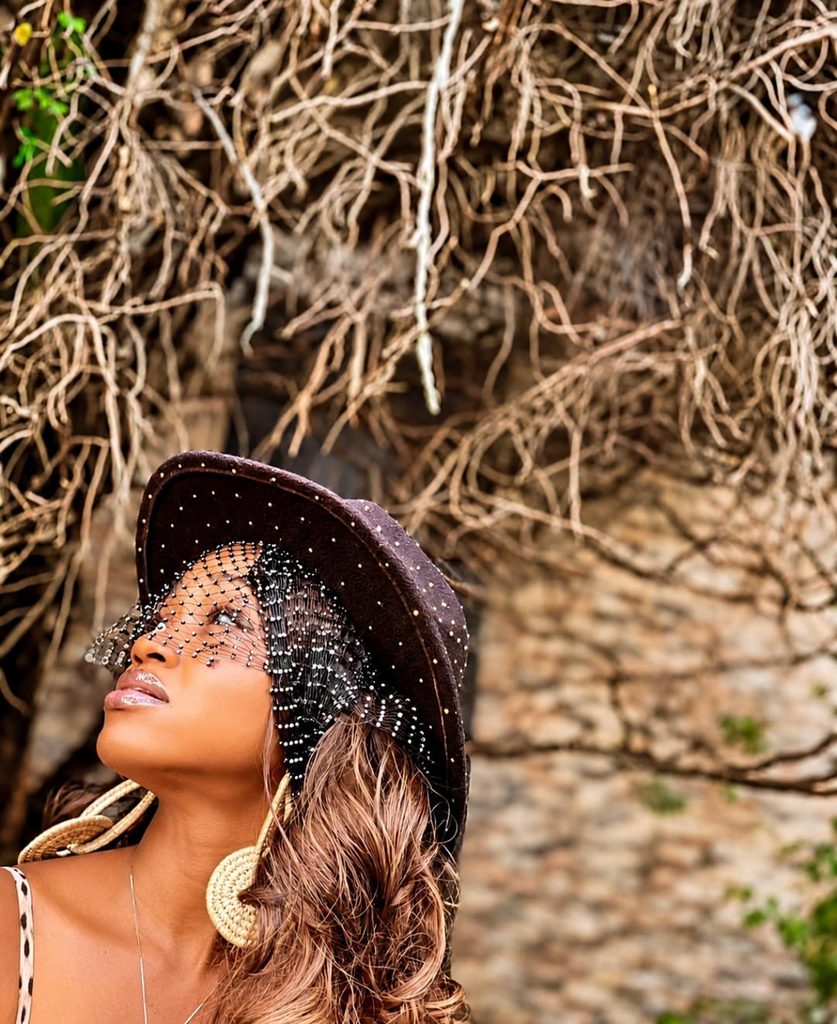
The wide-brimmed hat, embellished veil and sculptural jewellery create an almost ceremonial presence. Animal-print fabric introduces a raw, instinctive energy, while Vanessa’s composed expression brings a quiet authority to the frame. Nothing feels entirely decorative; every detail contributes to a character that resists easy definition.

As a model, Vanessa Harte does more than inhabit the image. She gives it presence. Her gaze carries a sense of distance and introspection, inviting the viewer to look beyond the visible surface and reconsider what they believe they recognise.

What you saw as an early man was just a holy soul.

This is the reversal: what appears unfamiliar may hold something profoundly human. What society labels an outsider may possess a beauty and dignity that conventional perceptions fail to recognise.

For RAW.F, Vanessa Harte is a reminder that fashion imagery can do more than capture a look. It can construct a persona, provoke a question and leave an impression long after the image disappears.

Remember the name. Vanessa Harte.

Ajrakh: When Textile Becomes Art

A Masterpiece of Art at Loop Fashion Week 2026

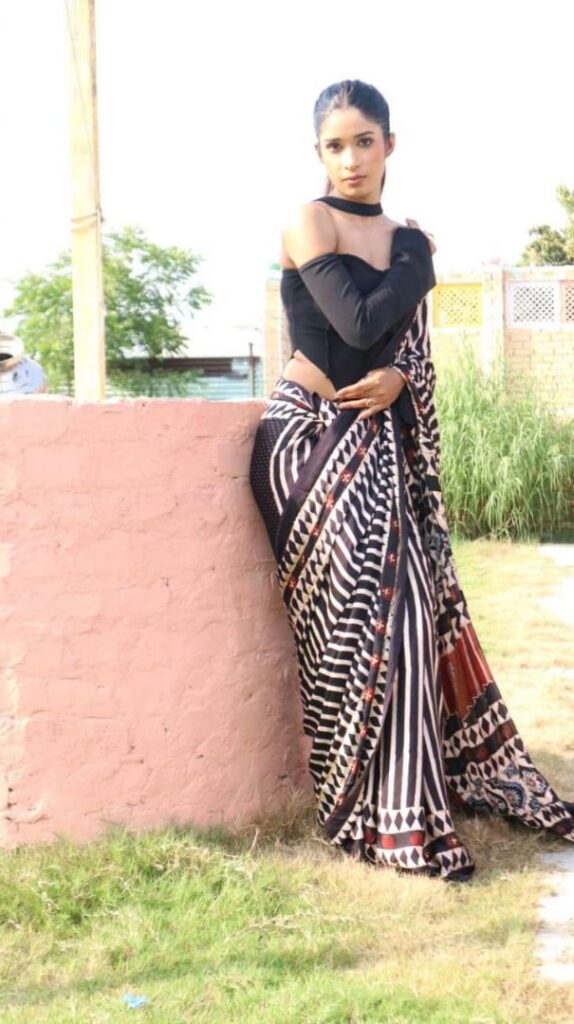
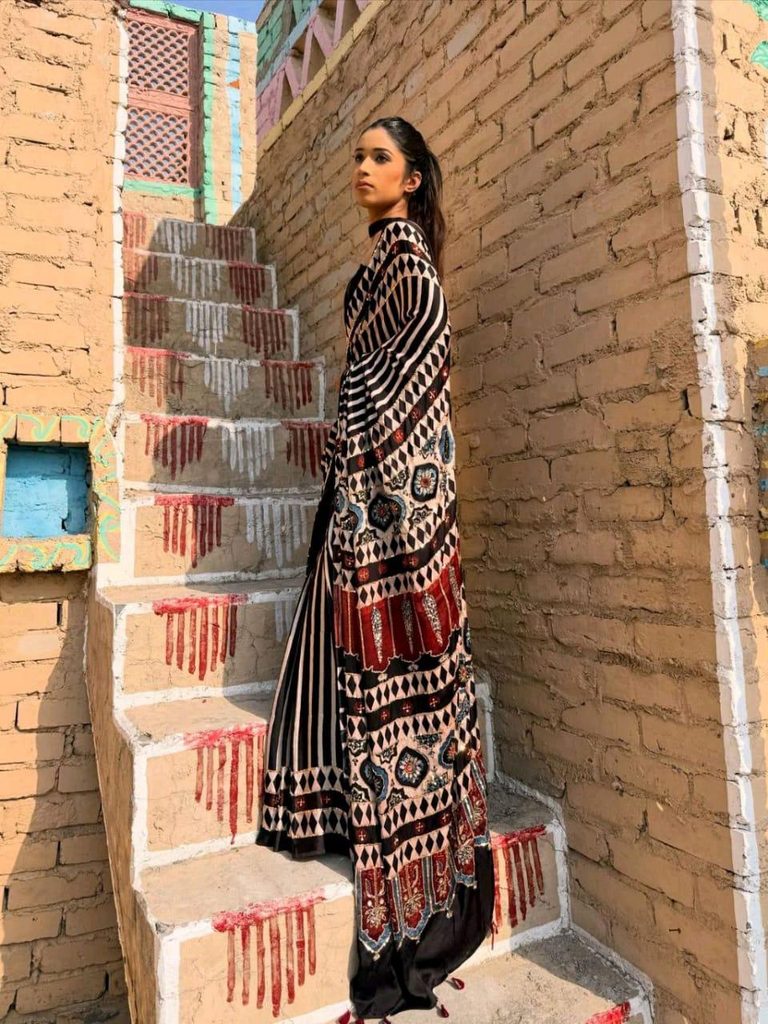
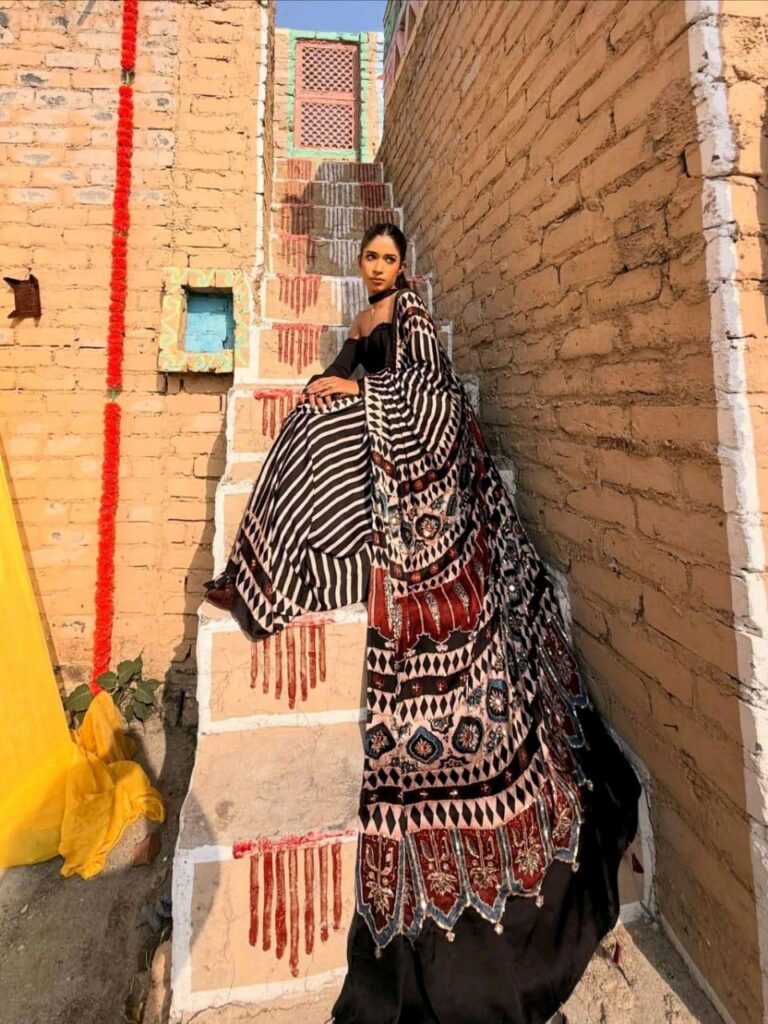
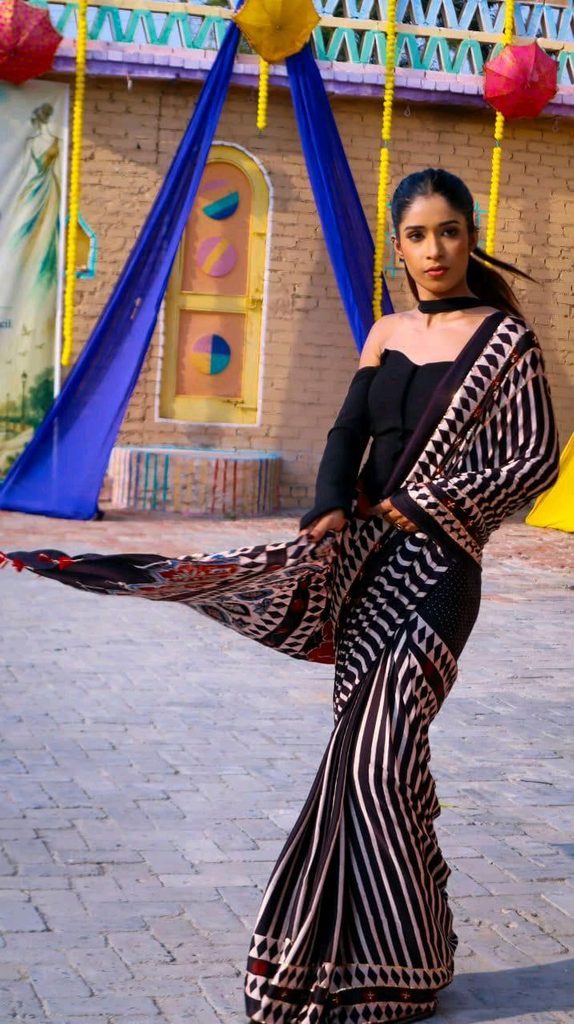
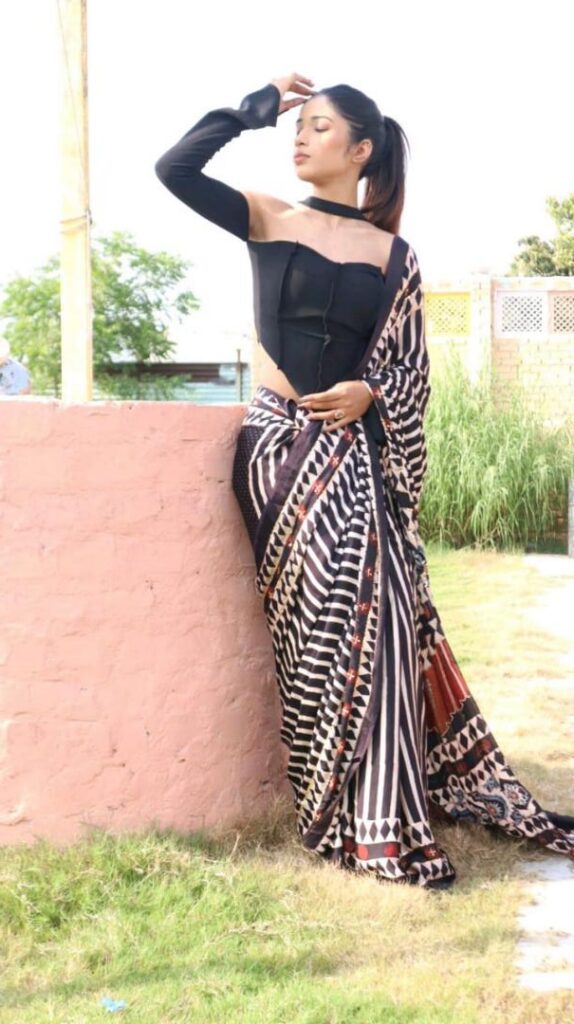
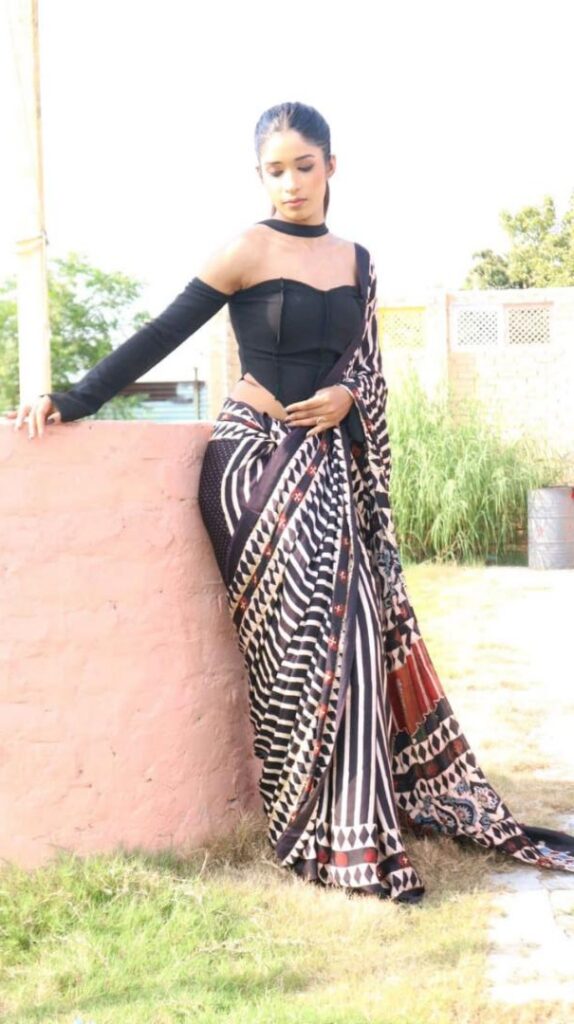
A unique Ajrakh saree was showcased by Artisan designer Sujata Kalra, celebrating the timeless beauty of Indian textile heritage through wearable art. The saree reflected the artistic richness of Ajrakh, a traditional textile craft known for its intricate patterns, distinctive motifs, and heritage-inspired aesthetics. Through intricate motifs, traditional patterns, and the precision of handcrafted detail, the creation revealed a textile tradition in which every surface carries traces of cultural memory.

Every detail told a story of craftsmanship, patience, and the cultural traditions preserved through generations of artisans. Presented by model Mansi, this exquisite creation brought together traditional artistry and contemporary elegance. The saree highlighted how a heritage textile can become a striking fashion statement while retaining its cultural identity and artistic soul. Through this impressive, unique masterpiece, the designer celebrated the beauty of handcrafted fashion and the enduring relevance of traditional Indian textiles in contemporary design.

At Loop Fashion Week 2026, this Ajrakh saree stood as a tribute to Indian craftsmanship, wearable art and the timeless elegance of heritage fashion.

Artisan Designer Sujata Kalra & Founder, Rebe and Tulip

Model: Mansi

Showcase: At Loop Fashion Week 2026, New Delhi

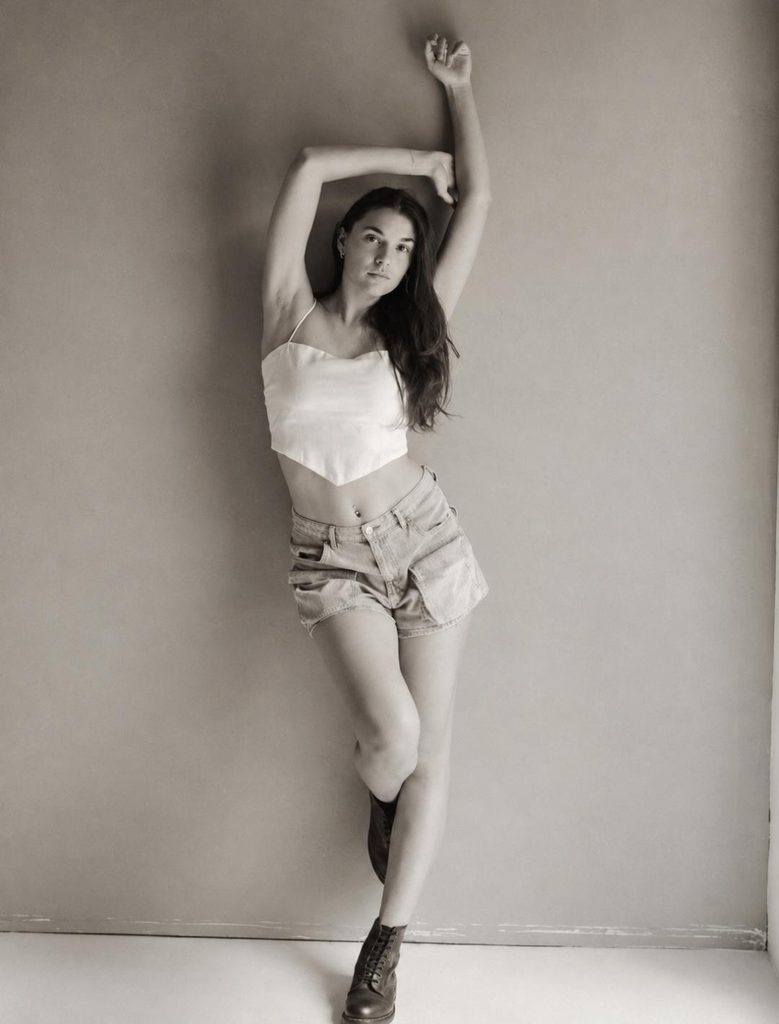
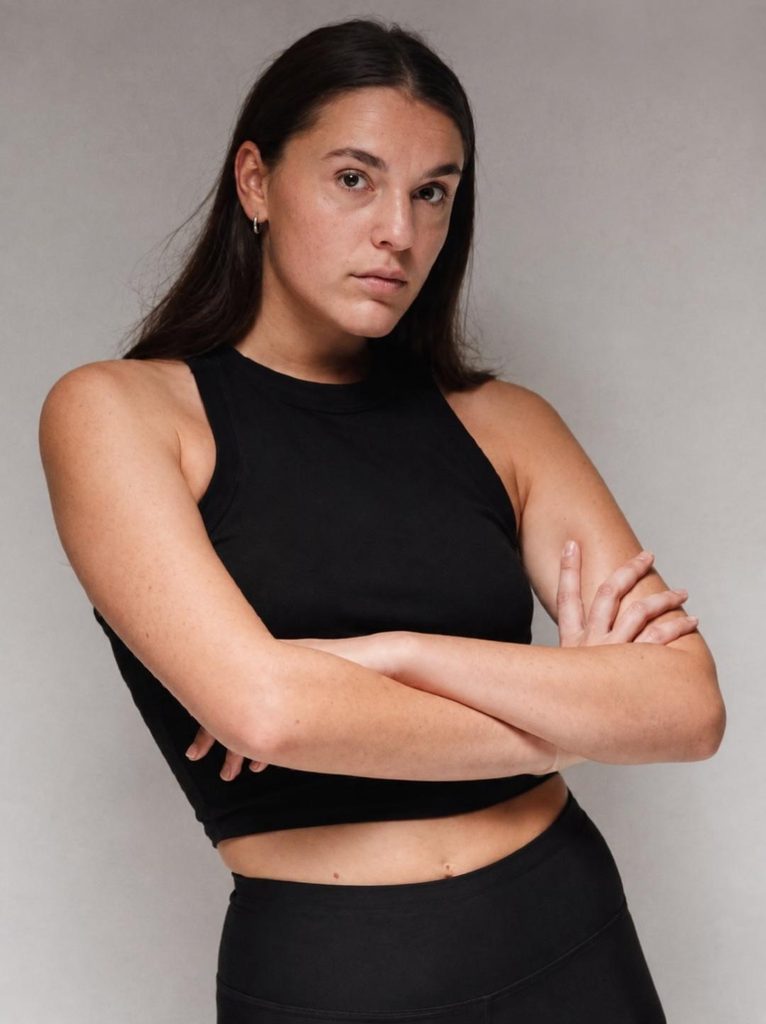
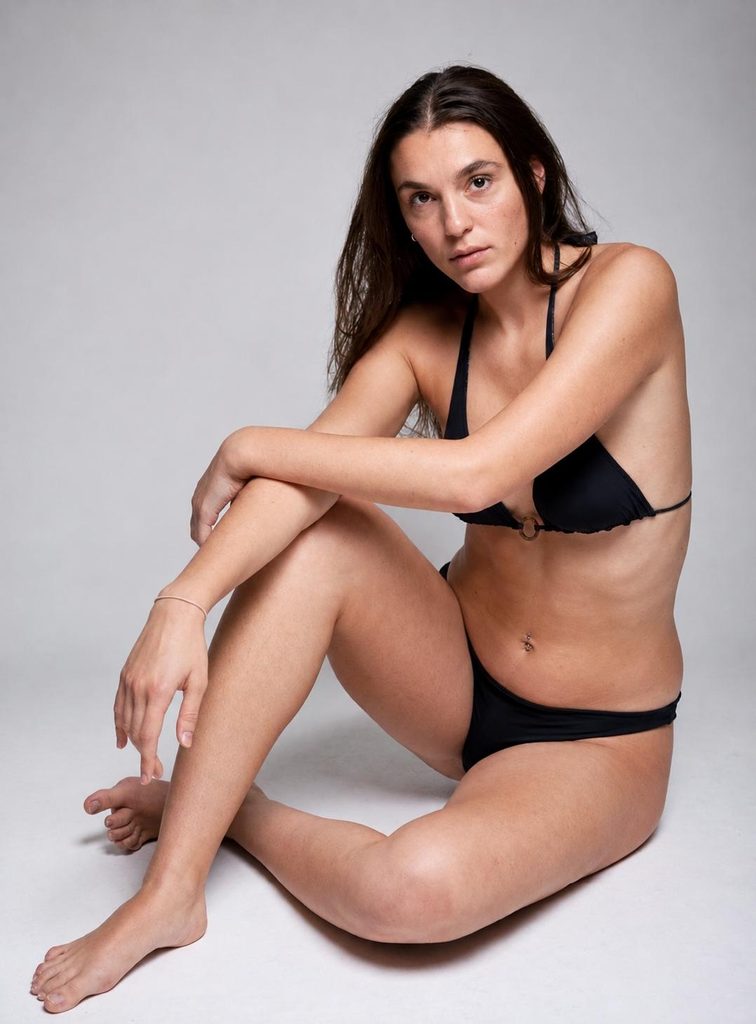
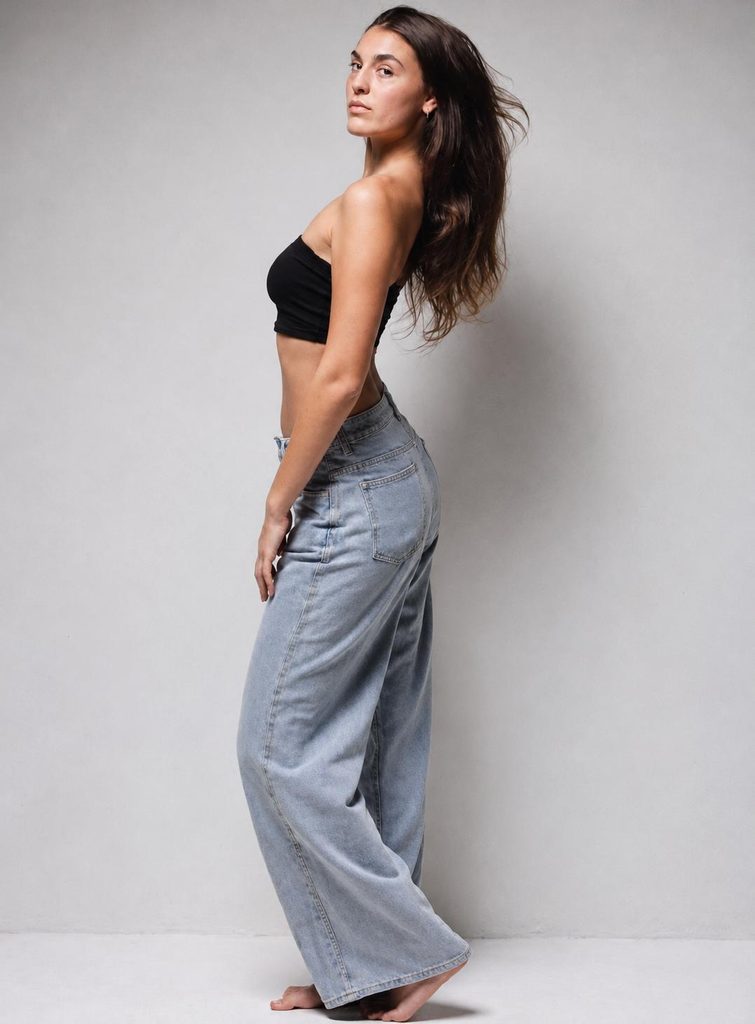
REMEMBER THE NAME: SARA PERRONE

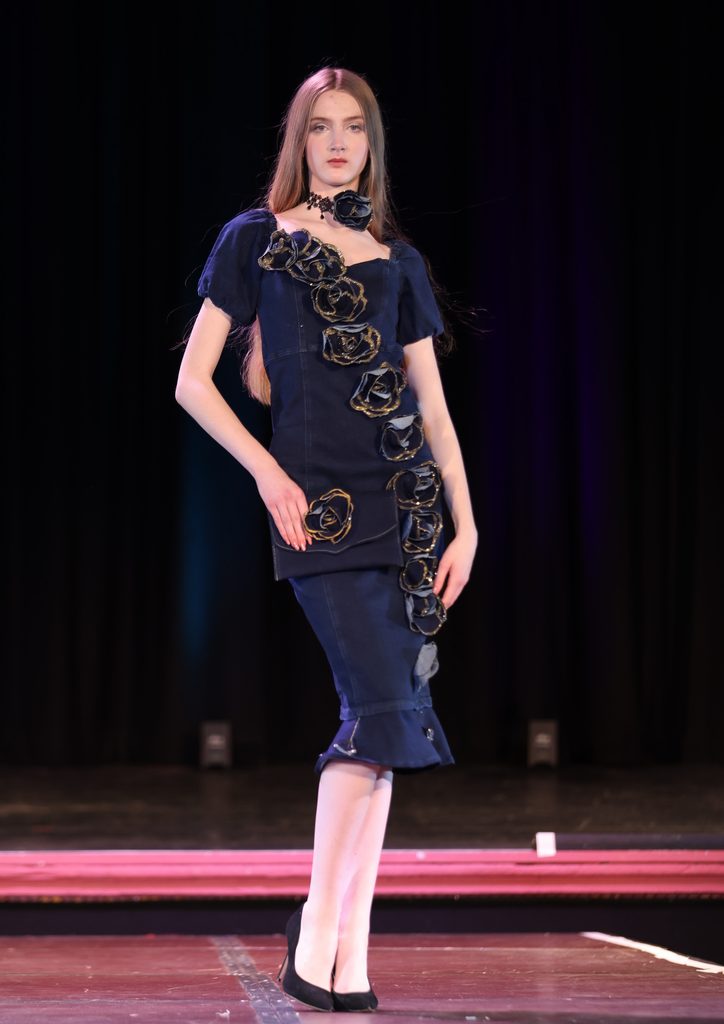
Natural Beauty. Quiet Intensity. Some faces demand attention. Others hold it without ever asking. Sarra Perrone belongs to the second kind. There is something compelling about her presence — an effortless balance between softness and strength, vulnerability and confidence. Her beauty feels instinctive rather than constructed, carrying an authenticity that becomes increasingly rare in a world of carefully manufactured perfection. In front of the camera, Sara reveals a quiet intensity.
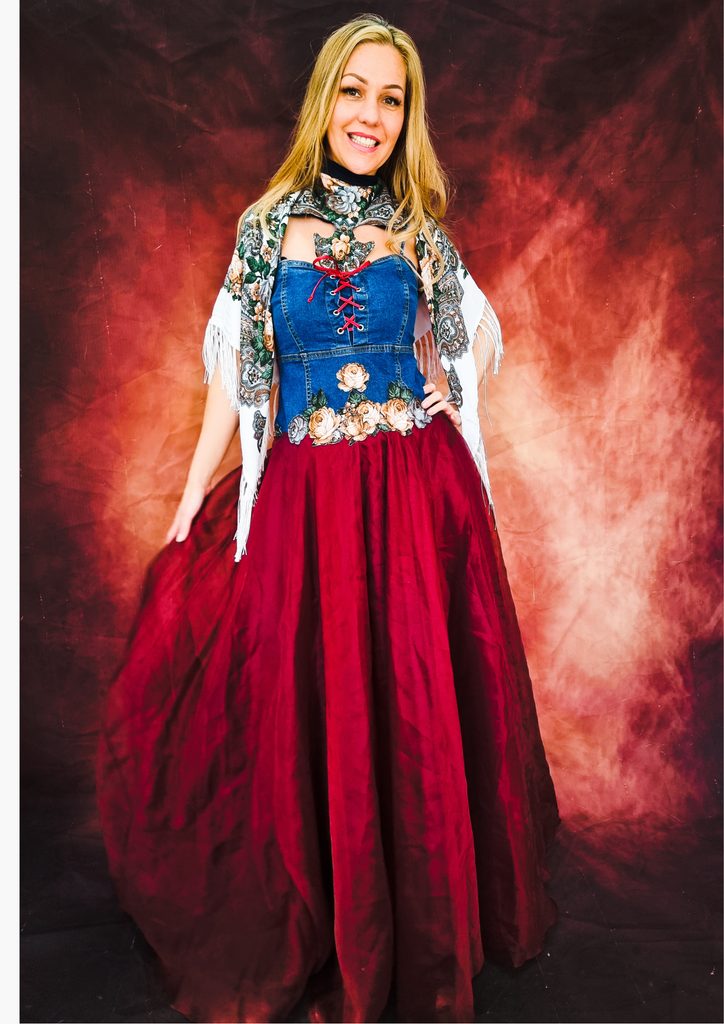
Her expressions remain understated, yet they communicate something beyond the image itself. There is no need for exaggerated gestures or theatrical poses. A simple movement, a direct gaze, or a moment of stillness becomes enough to create a visual narrative. What makes Sara interesting is not simply her appearance, but the natural way she inhabits the frame. She represents a contemporary approach to modelling where individuality matters more than conformity, and personality becomes as significant as aesthetics.

For RAW.F, discovering emerging faces means looking beyond conventional definitions of beauty. It means recognising presence, character, and the potential to develop a distinctive visual identity. Sara Perrone reminds us that sometimes the strongest statement is the one made without trying.
Remember the name. Sarra Perrone.

Follow Sara at: @saraperrone___

Remember the Name: Andrea Benahmed Djilali

The Art of Transformation

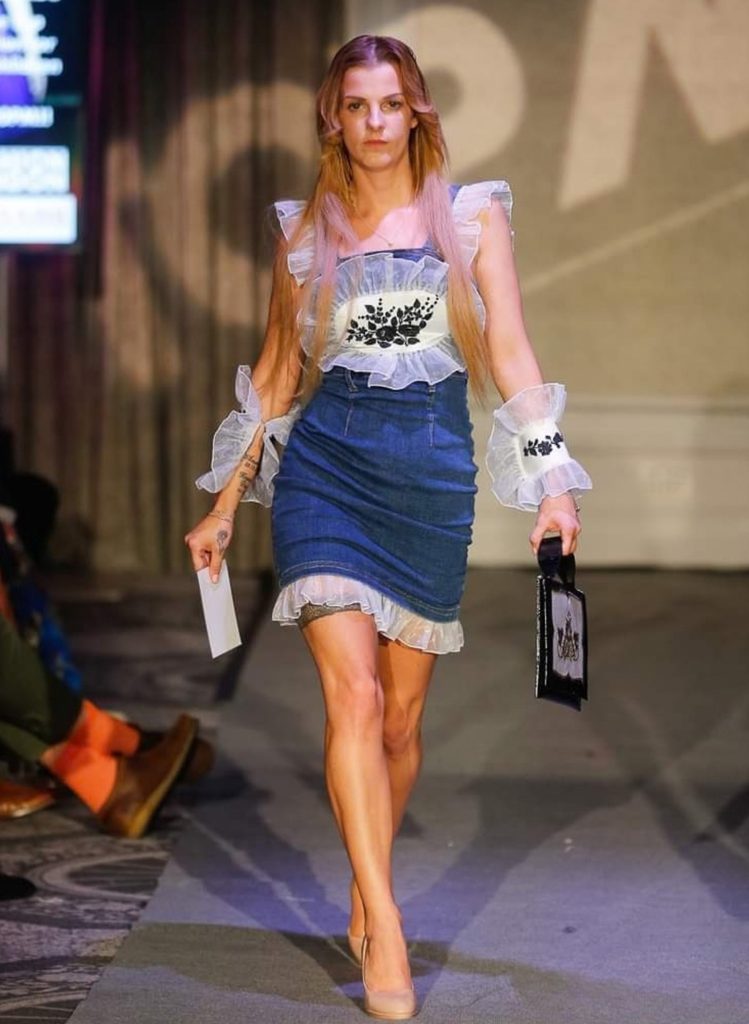
Andrea Benahmed Djilali’s design language begins with a question: what else can an existing garment become? Her practice is built around transformation—reconstructing garments, reworking leather, reinventing textiles and giving discarded materials a new presence.

For Andrea, upcycling is not an aesthetic trend but a creative discipline. A garment carries traces of its former identity; leather retains its character; textiles arrive with their own histories. Rather than concealing these origins, she uses them as starting points for something unexpected.

Her work moves between craftsmanship, femininity and theatricality. Corsetry, leather, embroidery and sculptural interventions bring a sense of drama, yet the result is not nostalgic. Historical references are treated as raw material for contemporary expression rather than reproduced as costume. Leather is particularly revealing of this philosophy. Through reconstruction, restoration and the use of remnants, a material associated with permanence and luxury becomes part of a circular design vocabulary. The same principle extends to garments and textiles: what might otherwise be considered obsolete becomes an opportunity for invention.

What distinguishes Andrea Benahmed Djilali is her understanding that sustainability does not have to look restrained. Circular fashion can be sensual, elaborate and desirable. Craftsmanship becomes the bridge between discarded material and renewed value.

The potential for further evolution lies in editing. Her richness of technique and material can sometimes compete for attention; a stronger hierarchy between silhouette, surface and embellishment could make her most powerful transformations even more immediate. Ultimately, Andrea’s work is less about making the old look new than about revealing the unexpected life that was already hidden within it.
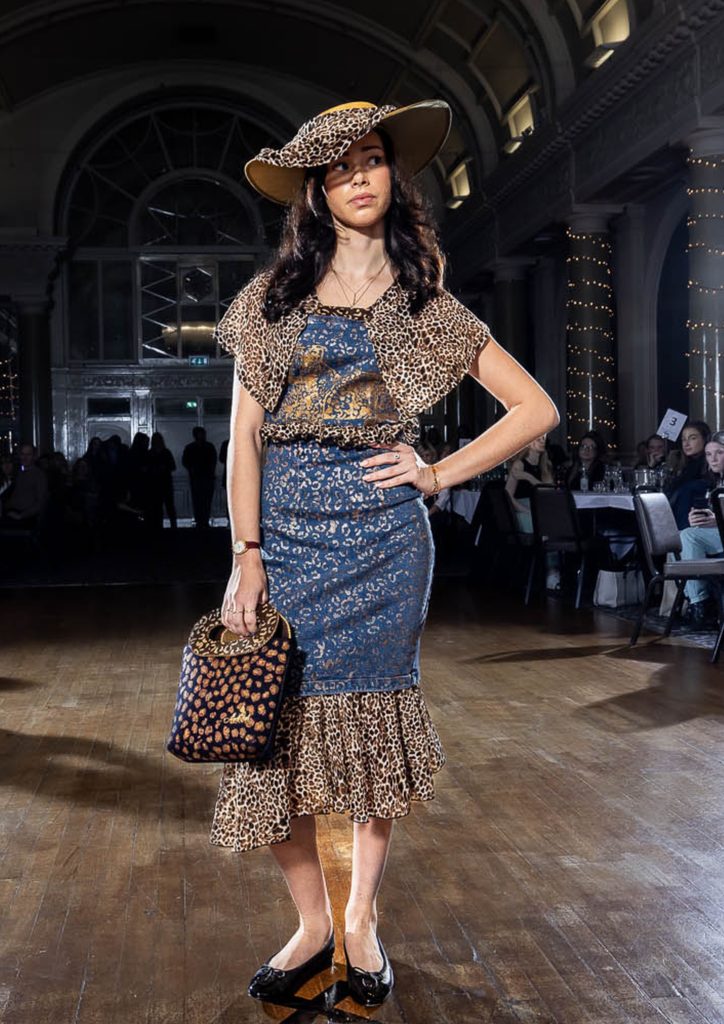
Follow Andrea at: @andreal_rebirth

OUTBURST OF HIDDEN PAIN

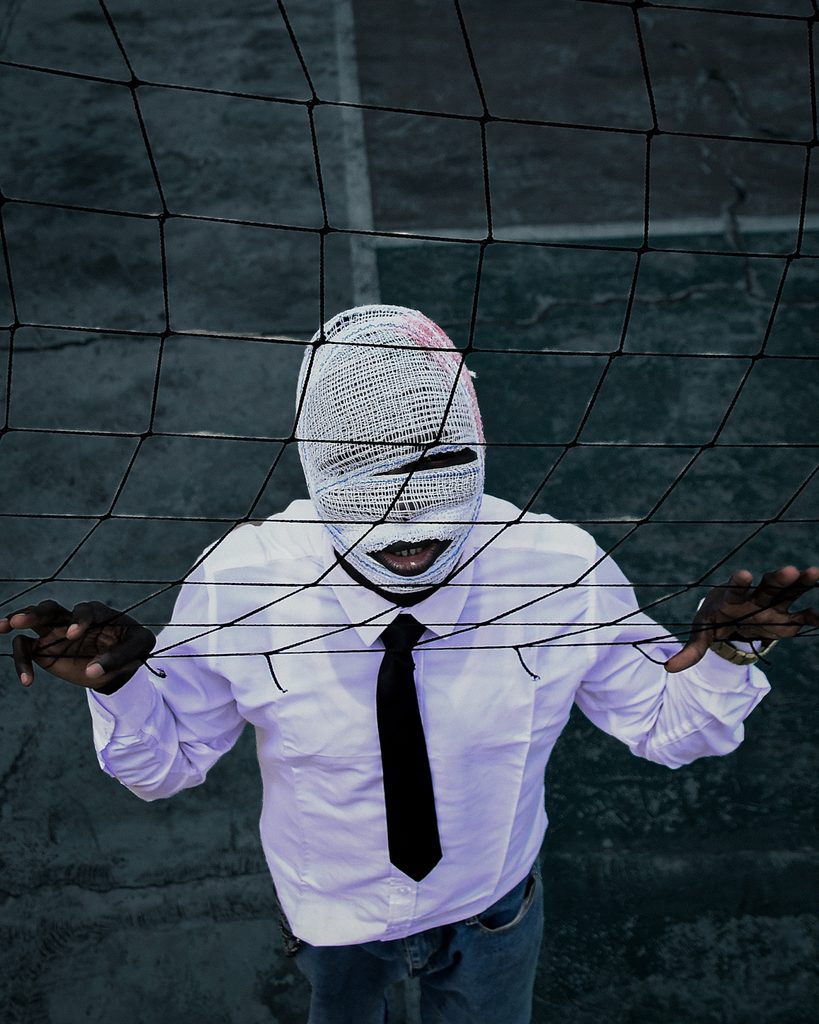
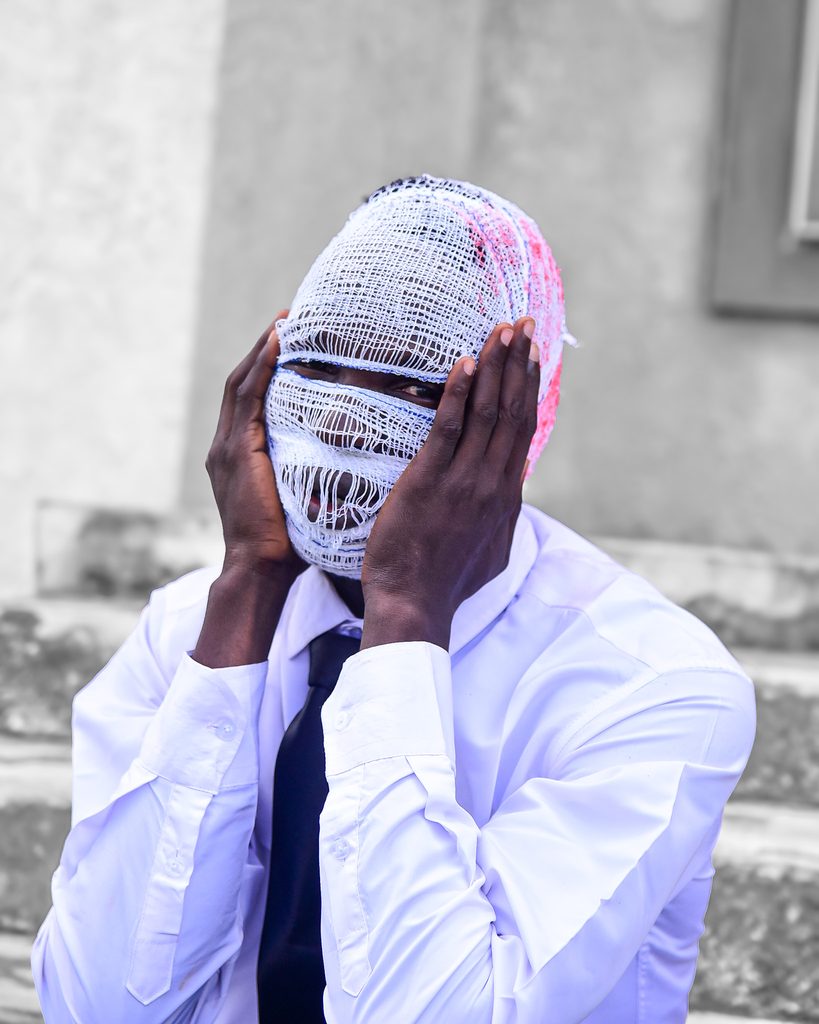
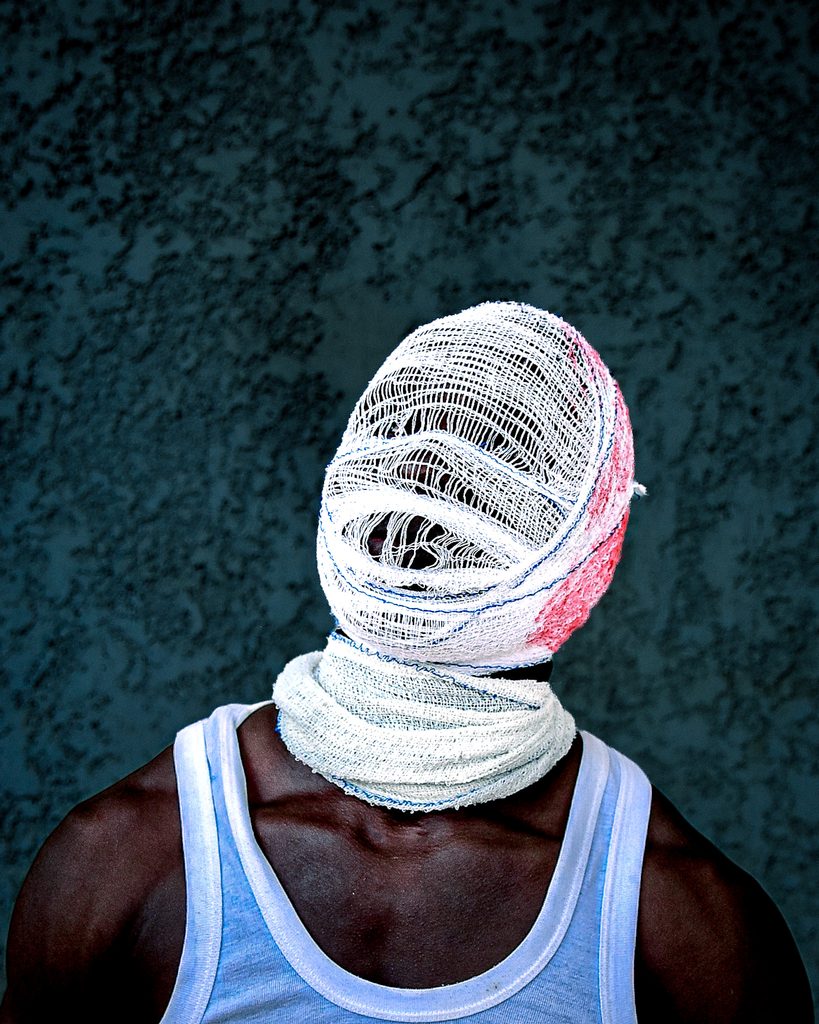
We learn to dress the part. To show up, hold ourselves together and keep moving, even when something inside us is quietly breaking. Outburst of Hidden Pain explores the tension between the face we present to the world and the emotions we struggle to contain. Through stark imagery, bandaged identity and the contrast of formal tailoring against a raw, exposed setting, Michael_Runway_Model creates a visual statement about vulnerability, pressure and the performance of strength.

The bandages become a metaphor for the wounds we conceal. The shirt and tie represent the composed exterior we maintain, while the net evokes the invisible forces that hold us in place: family expectations, financial pressures, responsibility and the constant demand to push forward.

But pain cannot remain hidden forever. Beneath the carefully maintained surface, something begins to resist. The body becomes a site of tension, the image a confrontation, and the outburst a moment when silence can no longer contain what is felt. Rather than presenting vulnerability as weakness, this work gives it a visible form. It speaks to those who have smiled through difficult moments, carried burdens without explanation and continued forward when stopping seemed impossible.

Outburst of Hidden Pain is a reminder that behind every composed exterior, there may be a story unseen. And sometimes, being seen is where the release begins.

Remember the Name: Michael Adedapo

Photographer: @fromsamlens

REMEMBER THE NAME: SONALI DWIVEDI

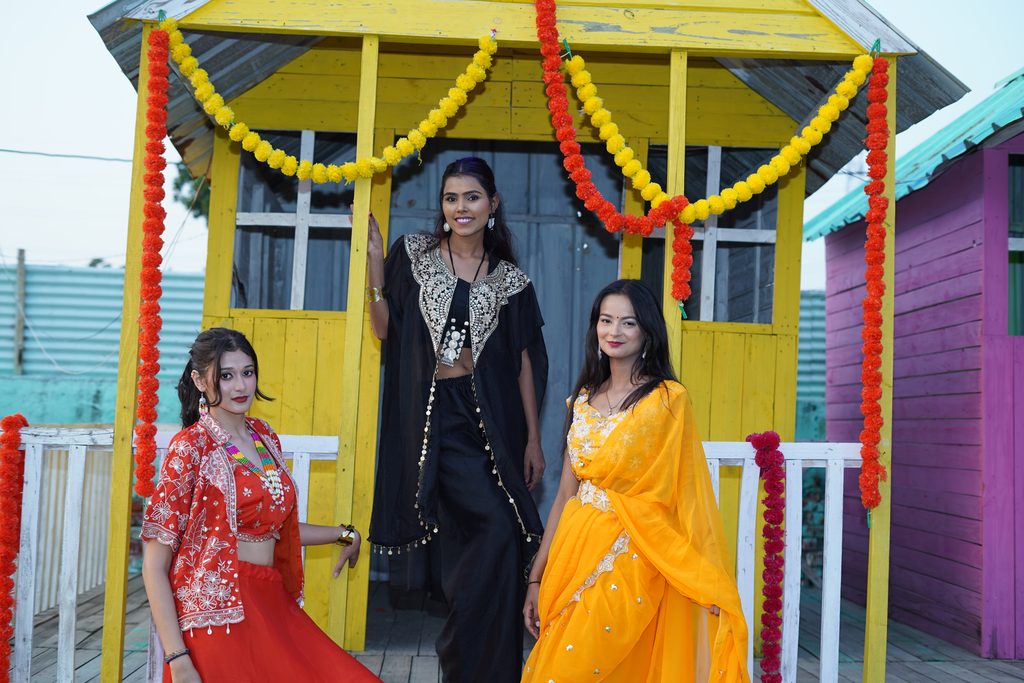
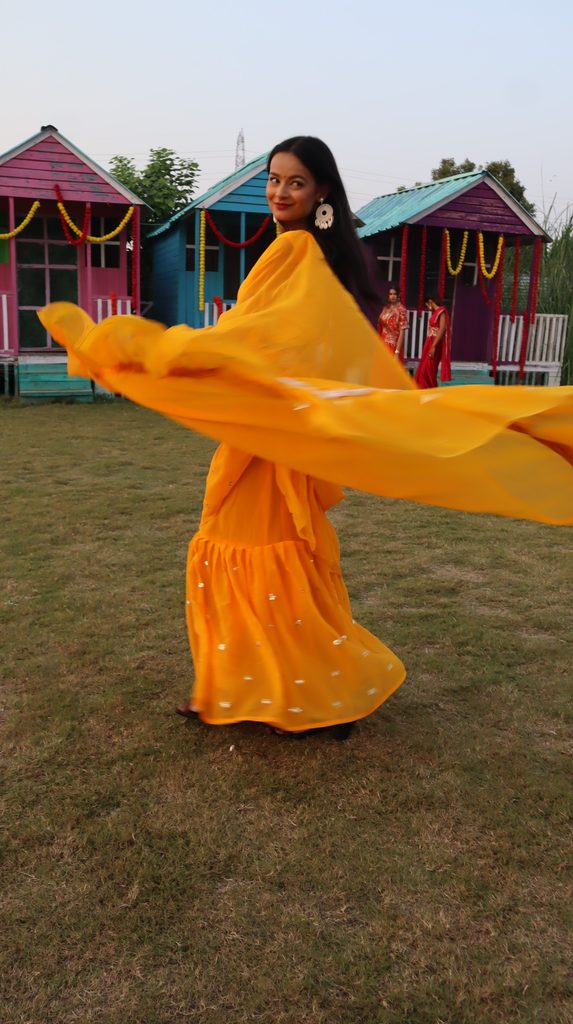
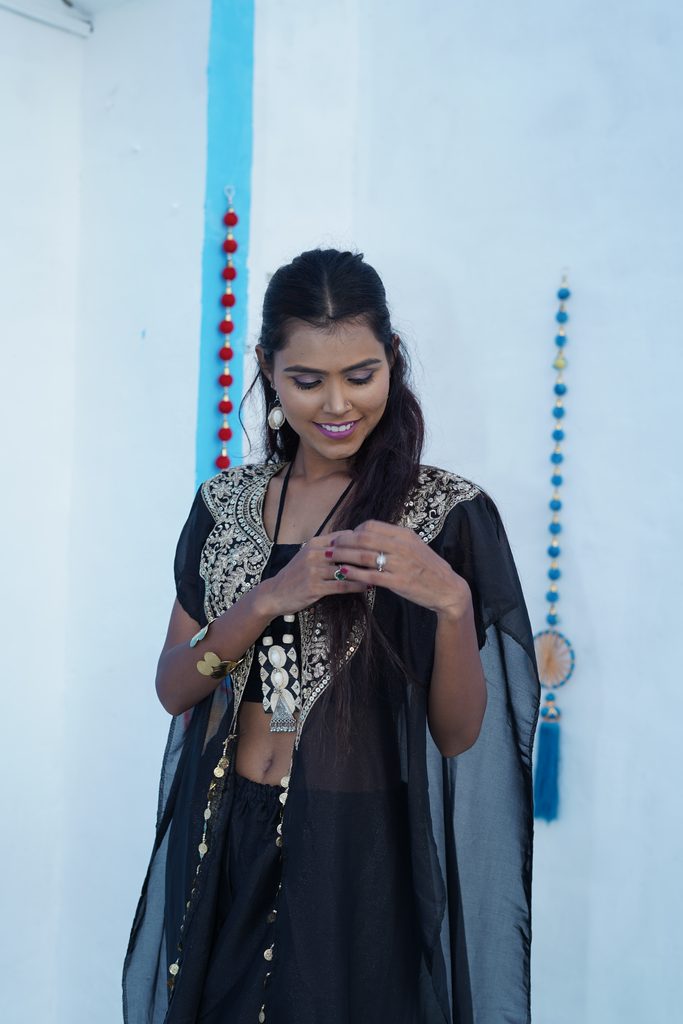
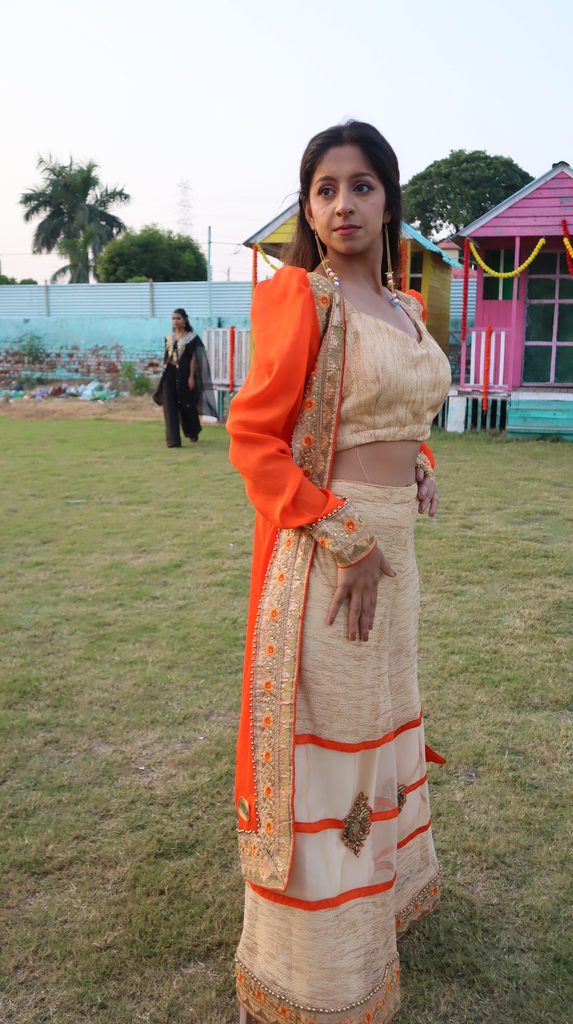
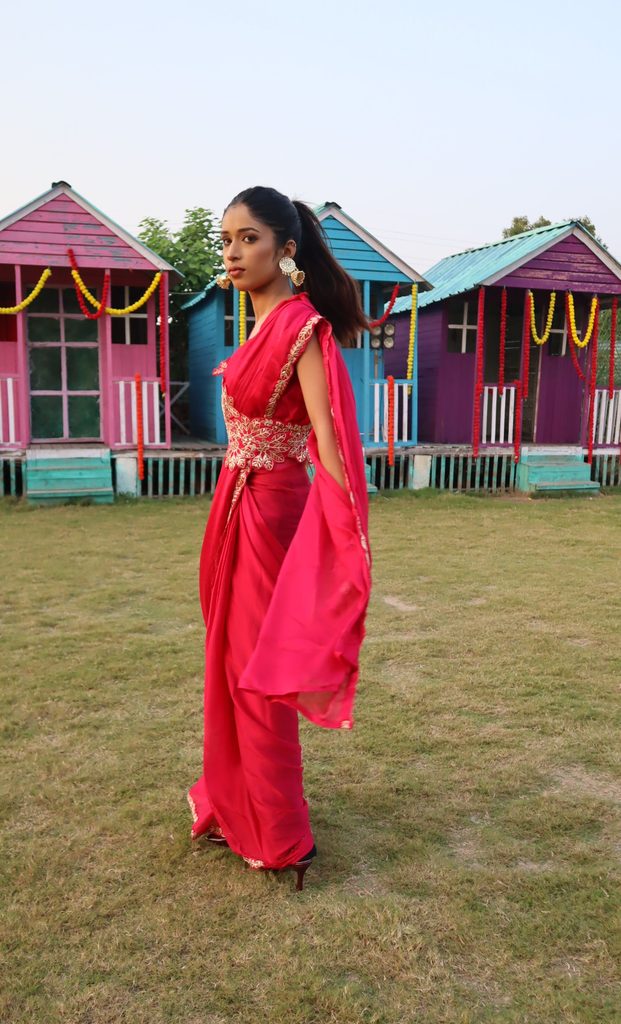
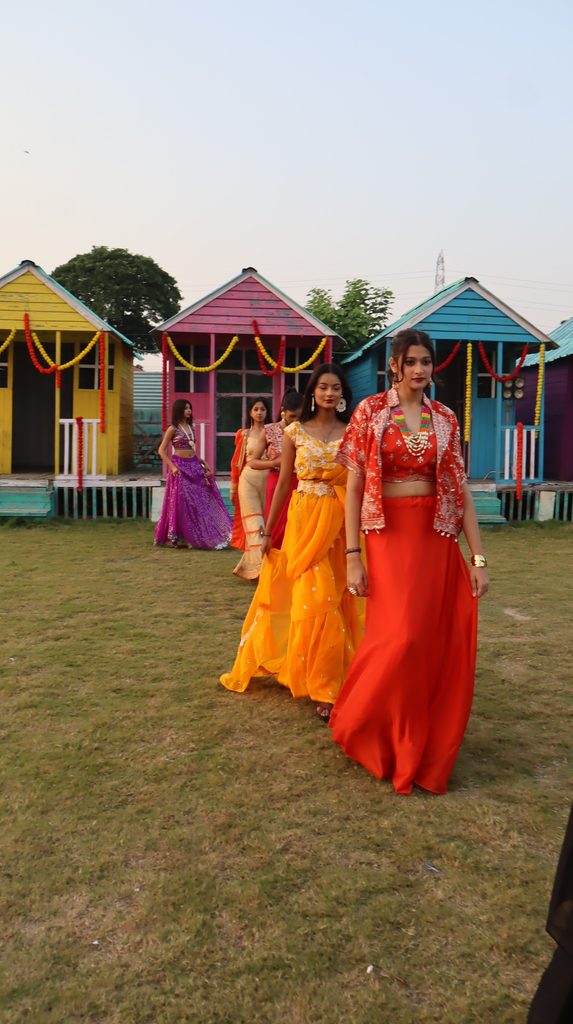
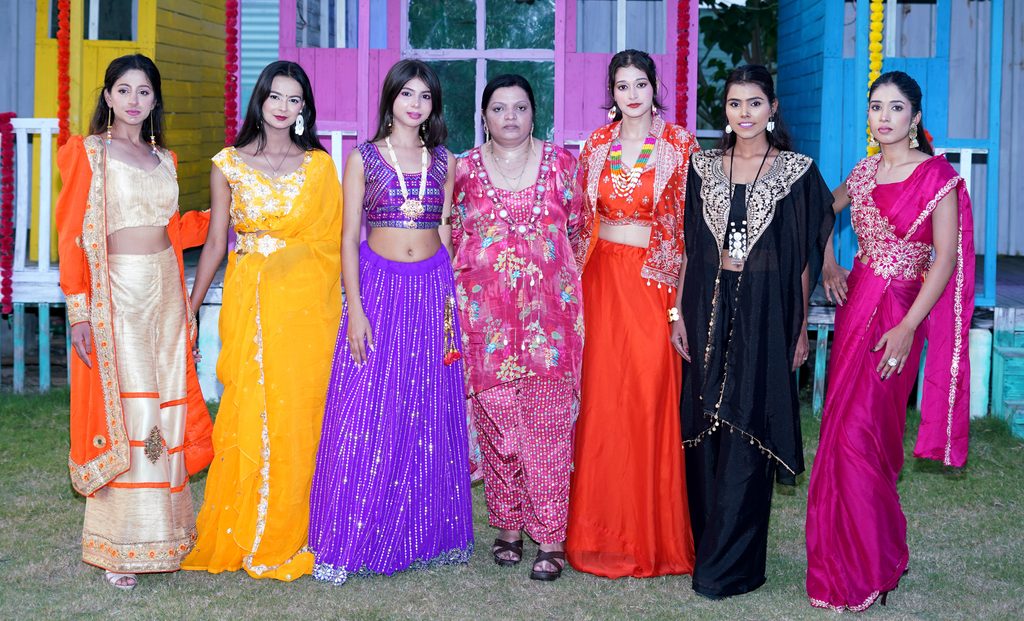
Indian heritage, vivid colour and contemporary expression meet in the work of Sonali Dwivedi, founder of Khwaahish Ek Chahat. Presented at Loop Fashion Week 2026 in New Delhi, Dwivedi’s collection explores the enduring language of Indian ethnic fashion through colour, ornamentation, silhouette and cultural memory.

There is an immediate sense of celebration in the collection. Rich colour, intricate embellishment and traditional references come together in garments that feel deeply connected to Indian visual culture, while their presentation places them within a contemporary fashion environment. For Dwivedi, ethnic fashion becomes more than a category of dress. It becomes a way of carrying identity and tradition into the present.

Her approach is particularly compelling in the way it allows familiar cultural codes to remain expressive rather than simply nostalgic. The garments draw from the richness of Indian fashion while embracing the visual energy of a contemporary runway. At Loop Fashion Week, this relationship between heritage and the present became part of a wider conversation around craftsmanship, cultural identity and the future of fashion.With Khwaahish Ek Chahat, Sonali Dwivedi presents Indian ethnic fashion as a living language — one capable of evolving while retaining its emotional and cultural roots.

Photography: Courtesy of Loop Fashion Week 2026 @loopfashionweek

Follow Sonali at @khwaahish.ek.chaahat.store

REMEMBER THE NAME: TIMUR TURSUNKULOV

HERITAGE, RECONSTRUCTED

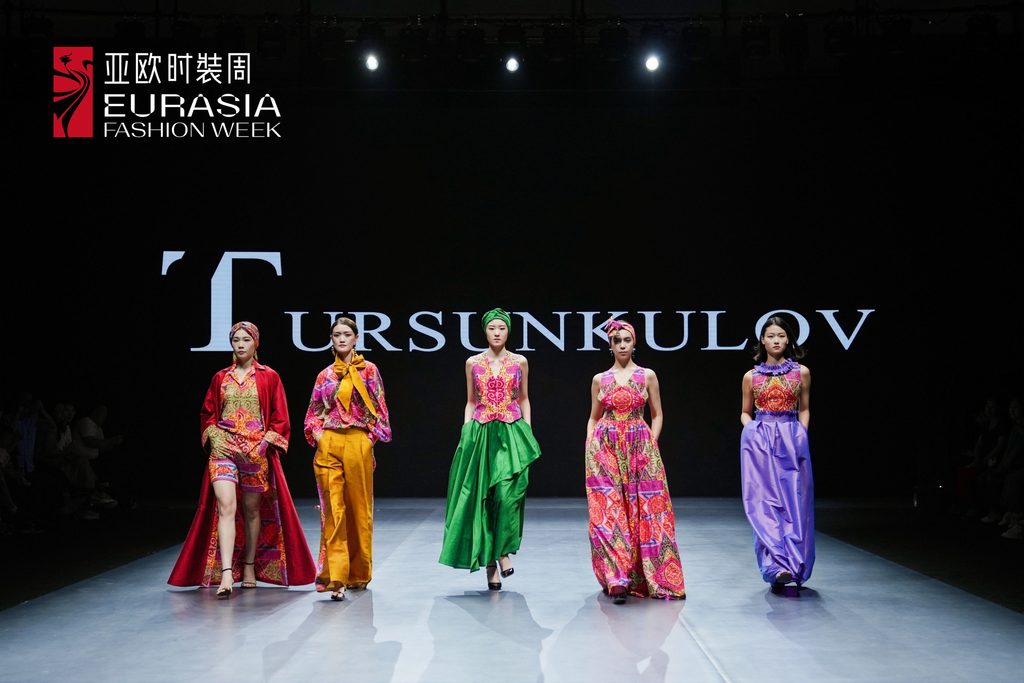
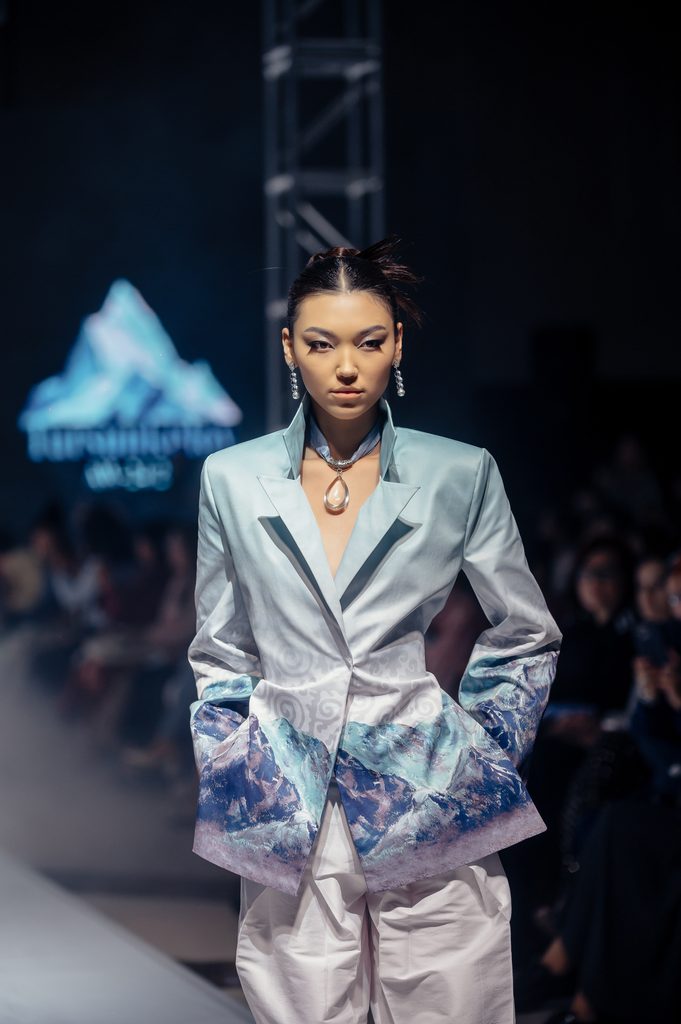
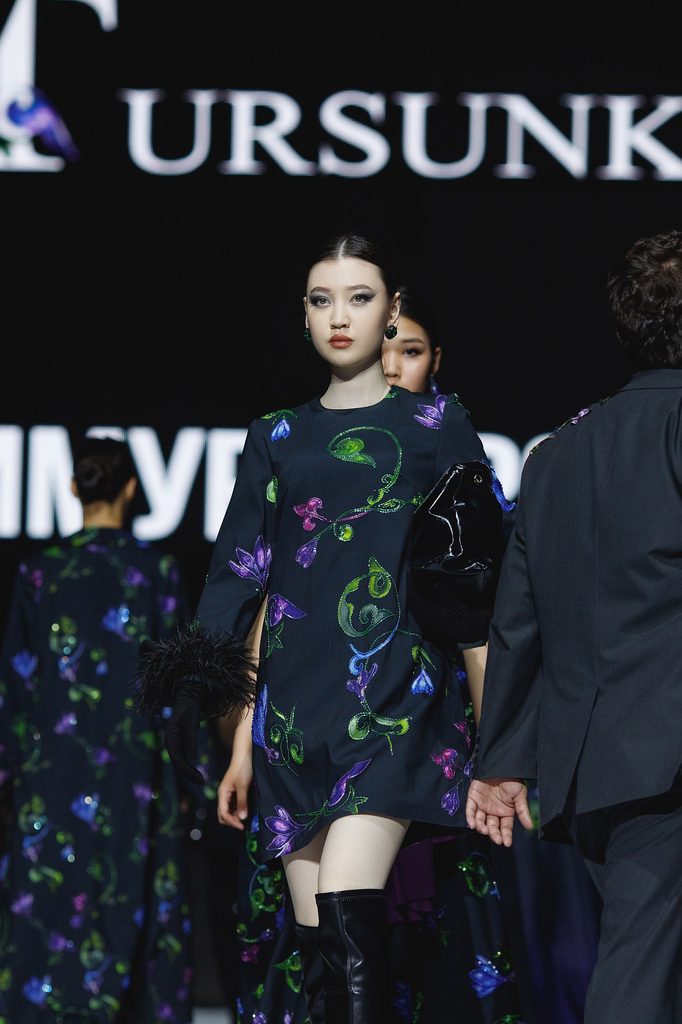
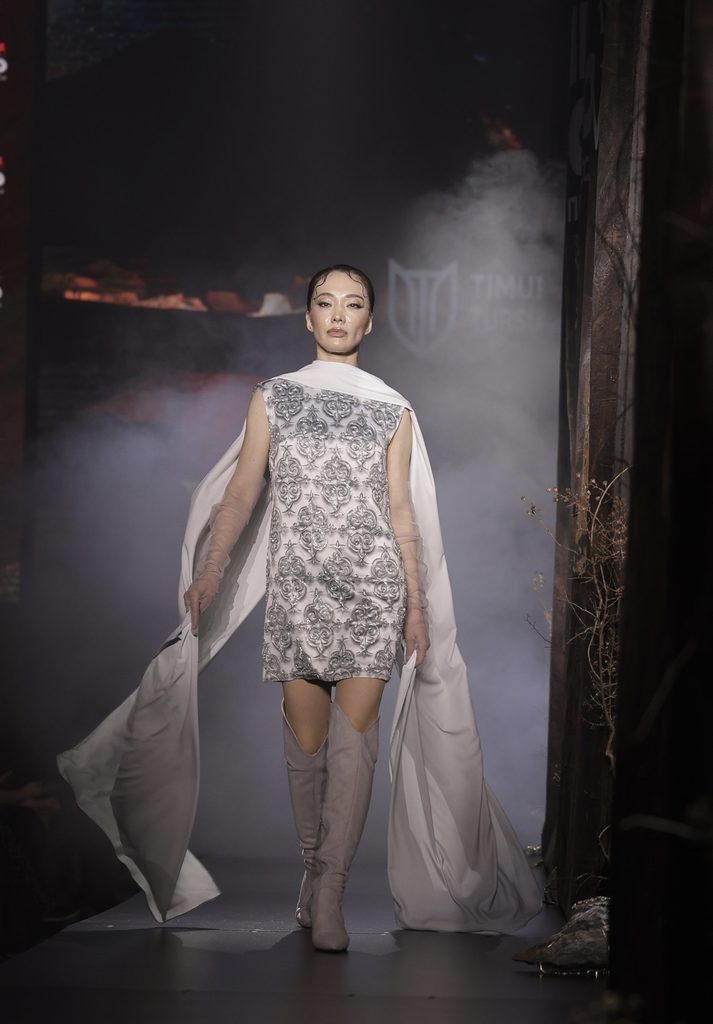
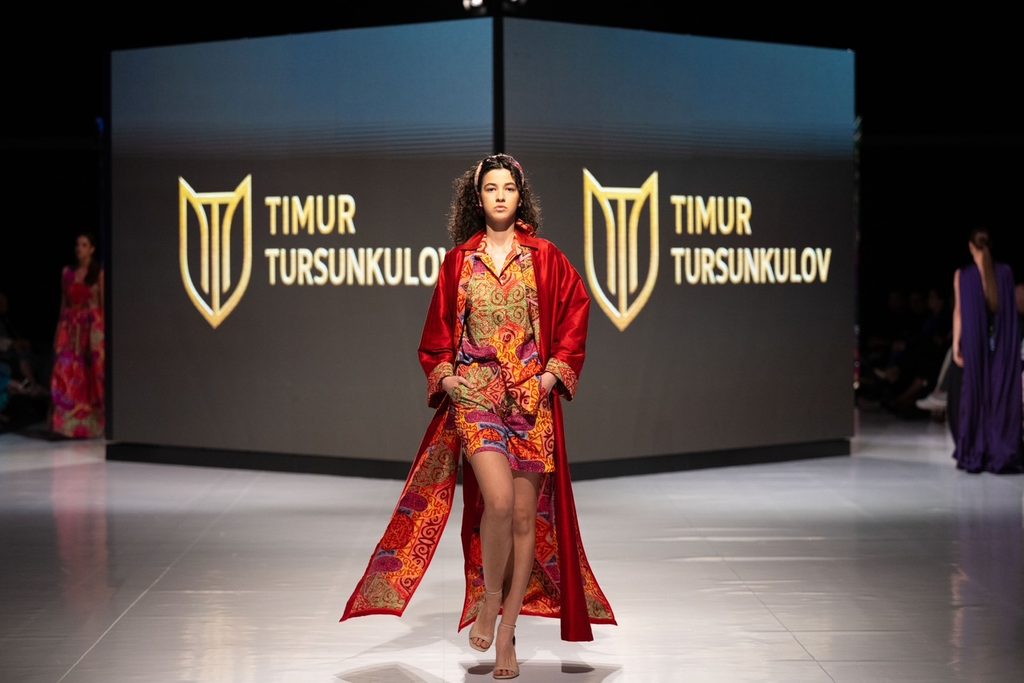
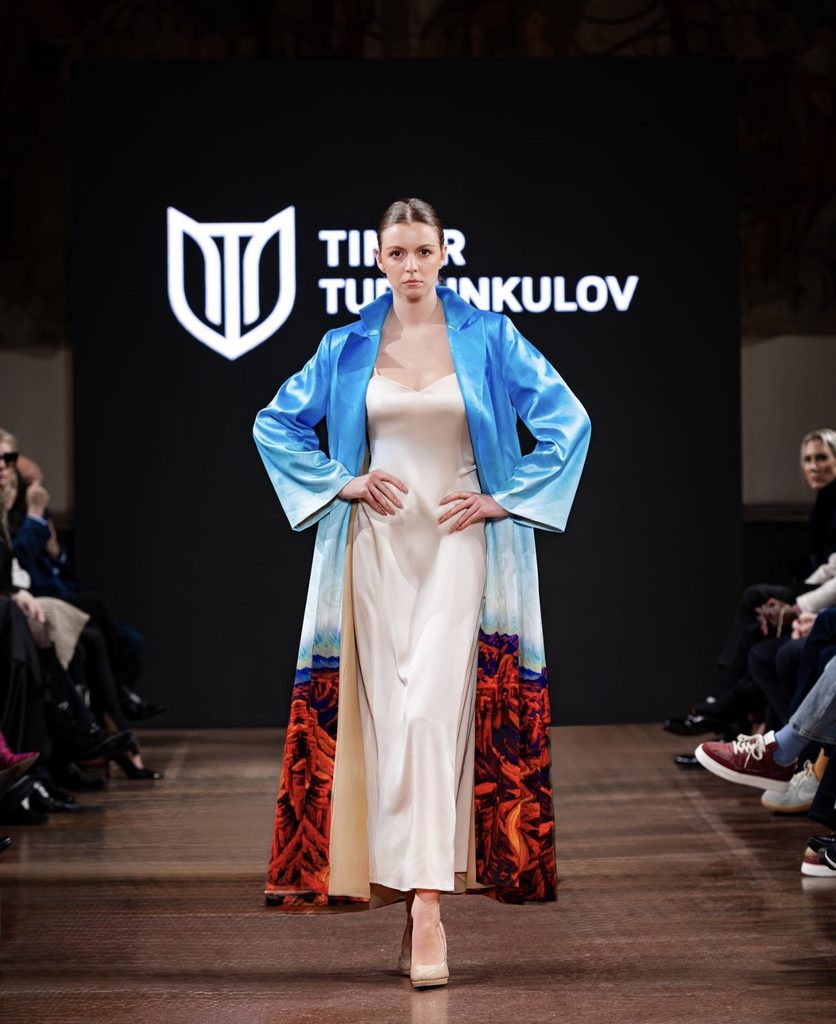
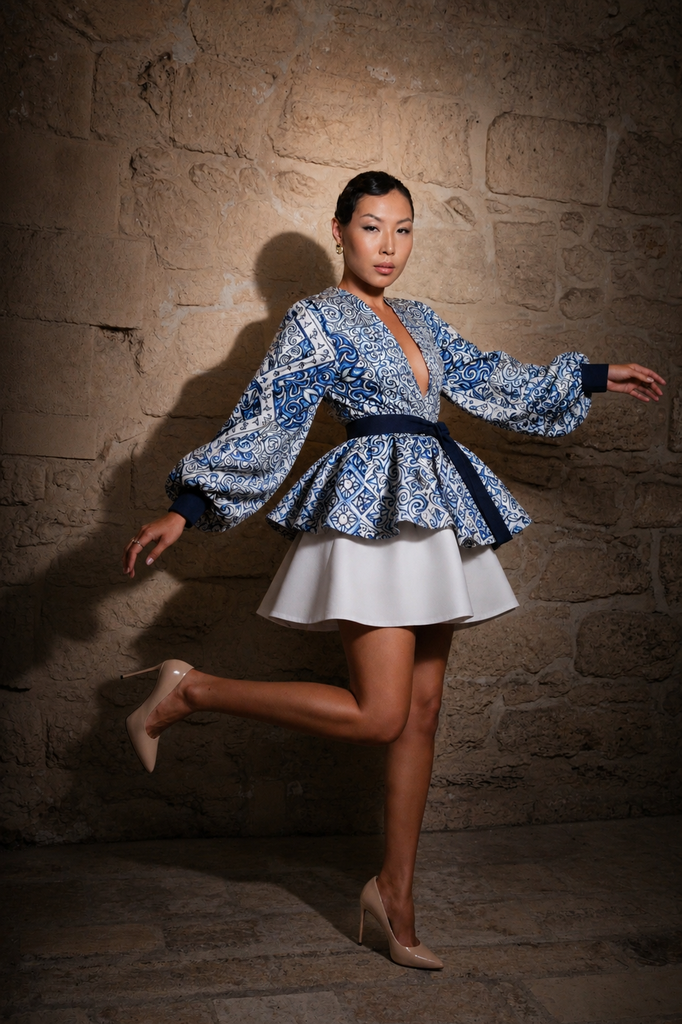
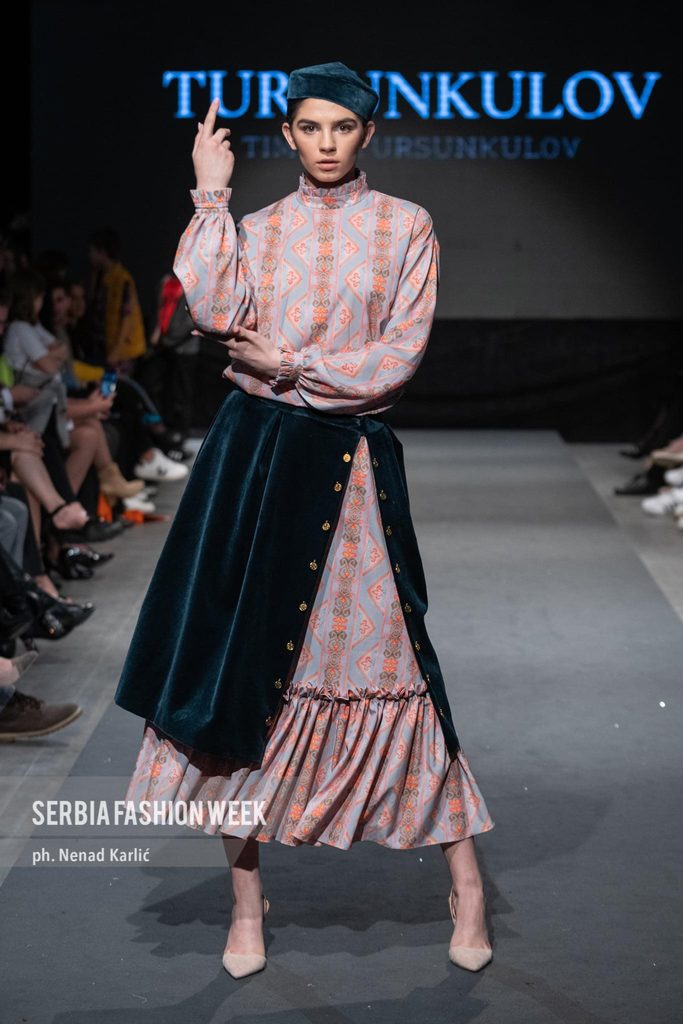
There is a difference between wearing cultural identity and transforming it into a contemporary visual language. Timur Tursunkulov works in that space. His designs draw from Kazakh heritage, ornament, color, symbolism and folkloric references, but rarely treat tradition as something that must remain untouched. Instead, these elements are enlarged, distorted, layered and placed into silhouettes that belong to the present.

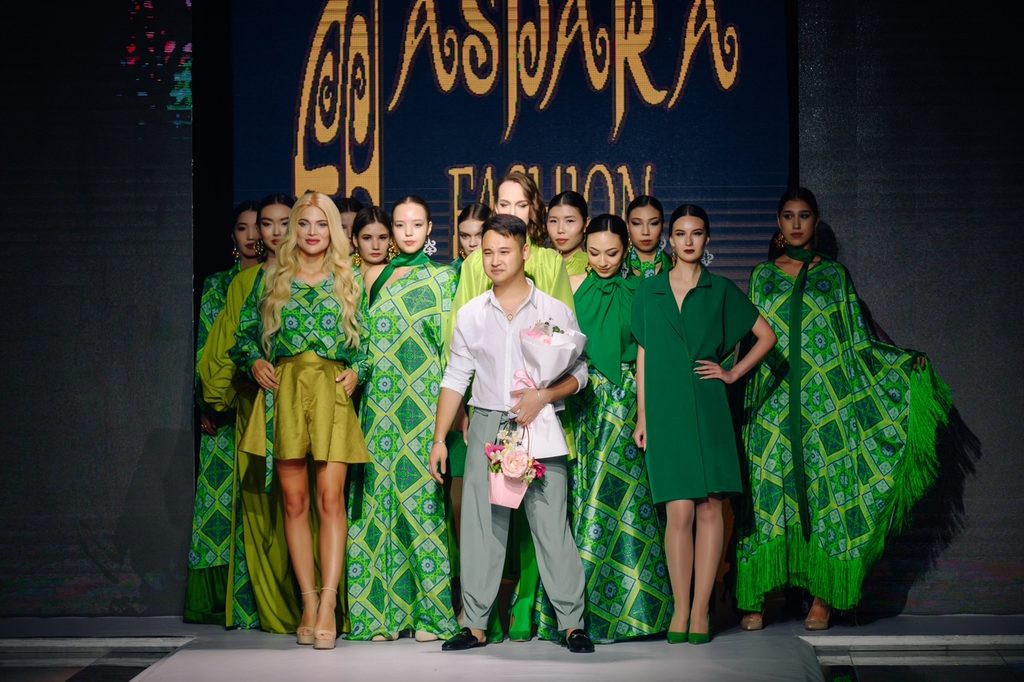
The result is fashion that feels culturally rooted without becoming costume. Timur Tursunkulov’s work has a particular theatrical quality. Color is not used quietly: saturated greens, reds, florals and sweeping forms create an immediate visual presence. His silhouettes often move between couture volume and folkloric gesture, producing clothes designed not simply to be worn, but to be seen.

What makes the work interesting is its position between two worlds. It carries the visual memory of Central Asia while deliberately addressing an international fashion audience. Rather than abandoning cultural specificity in pursuit of global relevance, Timur makes that specificity the starting point. There is also something deliberately expansive about his practice. His work increasingly exists beyond the garment itself,  through fashion production, international platforms and the creation of spaces where designers from different cultural backgrounds meet.

In an industry where “global” can easily become visually interchangeable, Timur Tursunkulov proposes another possibility: global fashion does not have to erase where it comes from. Sometimes, the strongest contemporary image is the one that remembers.

Follow Timur at @TIMUR TURSUNKULOV

Rebel Aristocrats

Remember the Name

SKiN iT

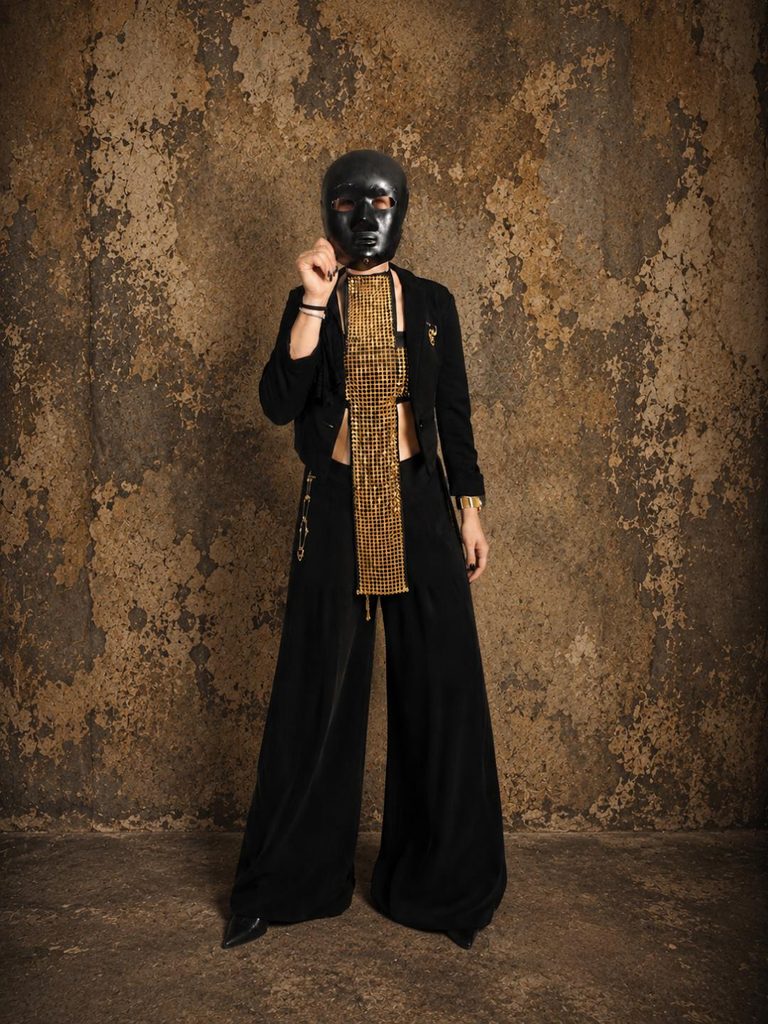
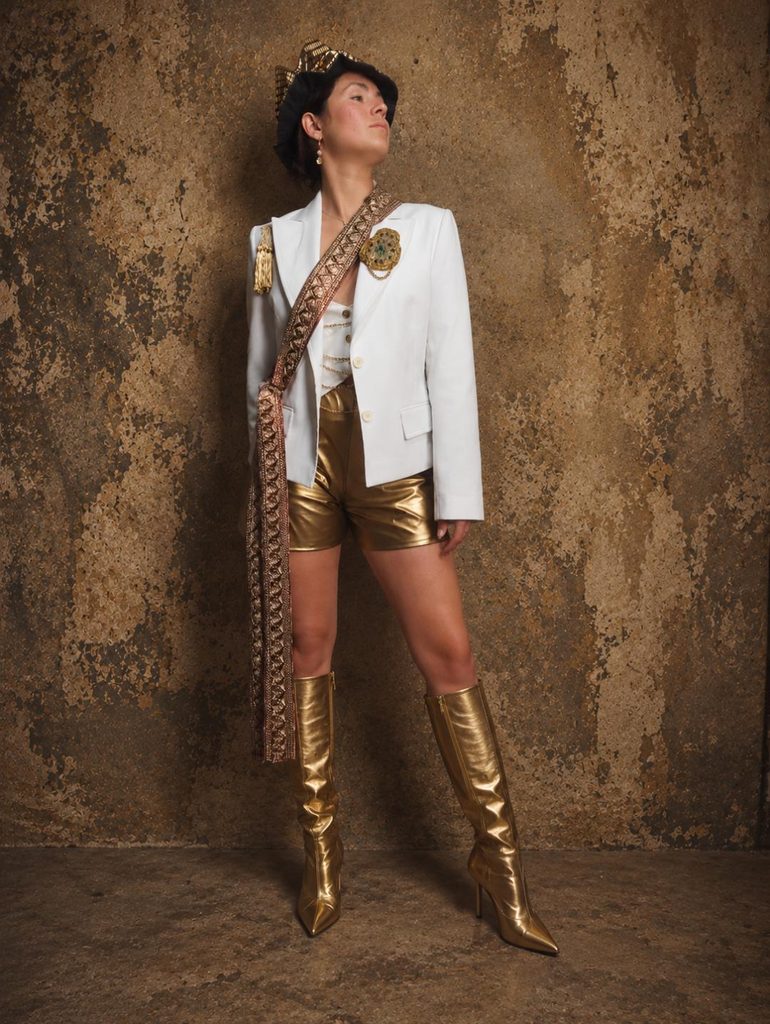
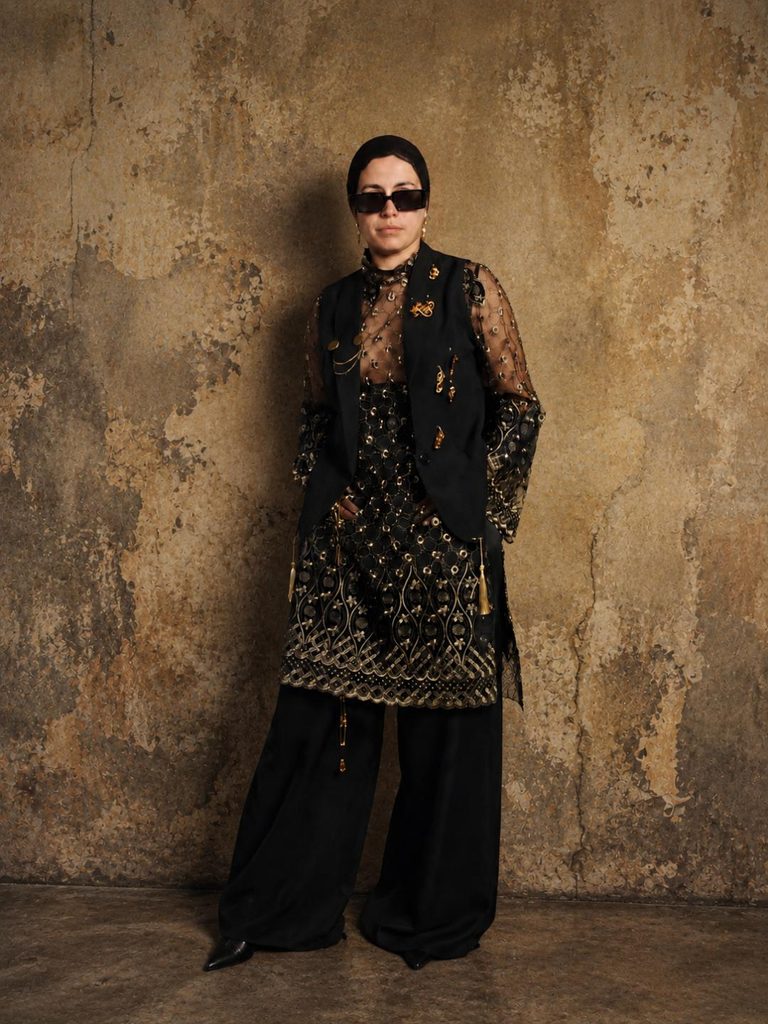
Rebel Aristocrats — Wonderland Chapter III continues the SKiN iT exploration of power, identity and constructed elegance. Set within a distorted aristocratic world, the collection plays with the codes of privilege — crowns, ornament, ceremony and authority — and turns them into instruments of rebellion.

Luxury becomes theatrical. Femininity becomes armour. The aristocrat is no longer defined by inheritance, but by attitude. Through constructed garments, sculptural silhouettes, exaggerated proportions and contrasting textures, SKiN iT transforms familiar symbols of status into something darker, more provocative and deliberately unconventional.

The collection moves between opulence and rebellion, elegance and disruption, fantasy and control. It belongs to a Wonderland where hierarchy is performed rather than inherited, and where the rules of appearance can be rewritten.

Chapter III develops the visual language of the Rebel Aristocrat: a figure who enters the room already knowing the codes — and chooses to break them.

Keep the crown.
We’ll take the kingdom.

Follow SKiN iT at @skin_it_fashion

  • 1
  • 2