
Fashion Beyond Consumption: GRiS Festival Opens a Dialogue on Sustainability and the Future of Clothing
What does it mean for fashion to become sustainable? Beyond recycled materials and responsible production, the question concerns the cultural value of clothing, the life of materials, social responsibility and the systems through which fashion is created and consumed. On November 12, the GRiS Festival brings these questions to the forefront through a multidisciplinary conference in Athens.
Sustainability in fashion is often discussed through the language of materials, production methods and environmental impact. While these dimensions are essential, they represent only part of a much broader conversation. Clothing is not simply a product to be manufactured and consumed. It is also a cultural object, a carrier of identity, a reflection of social structures and an expression of collective memory.
It is precisely this broader understanding that informs the upcoming Fashion & Sustainability conference, organised within the GRiS Festival, on Thursday, November 12, 2026, at the Hall of the 7th Municipal Community of the Municipality of Athens.
Dedicated to sustainable fashion, the circular economy and the redefinition of clothing as a cultural and social practice, the conference proposes an interdisciplinary examination of the relationship between fashion, the environment and contemporary society. Rather than approaching sustainability exclusively as a technical challenge for the fashion industry, it opens the discussion to artistic, academic, scientific and social perspectives.
Sustainability as a Collective Responsibility
One of the most important aspects of the initiative is its multidisciplinary approach. The programme brings together voices from different professional and research fields, recognising that the transition towards more sustainable practices cannot be achieved by designers or fashion businesses alone.
This combination of perspectives is particularly relevant. It moves the discussion away from the idea that sustainable fashion is solely a matter of individual consumer choices and towards a more comprehensive understanding of shared responsibility, institutional involvement and alternative models of production and consumption.
At the heart of the circular economy is a fundamental reconsideration of the traditional lifecycle of products. In fashion, this means questioning the assumption that a garment’s value ends when its original purpose or commercial life is over. Material reuse, ethical production and alternative creative practices challenge the linear relationship between production, consumption and disposal. They also invite designers to reconsider their relationship with existing resources, approaching materials not simply as raw components but as elements with the potential for transformation.
Yet the significance of this approach extends beyond waste reduction. It raises questions about authorship, design, cultural value and the responsibility of creative industries towards the environments and communities in which they operate.
Fashion’s relationship with sustainability therefore requires both practical interventions and a change in perception. The garment must be reconsidered not only in terms of how it is produced, but also in terms of how it is used, valued, circulated and ultimately remembered.
When Fashion Becomes Part of the Conversation
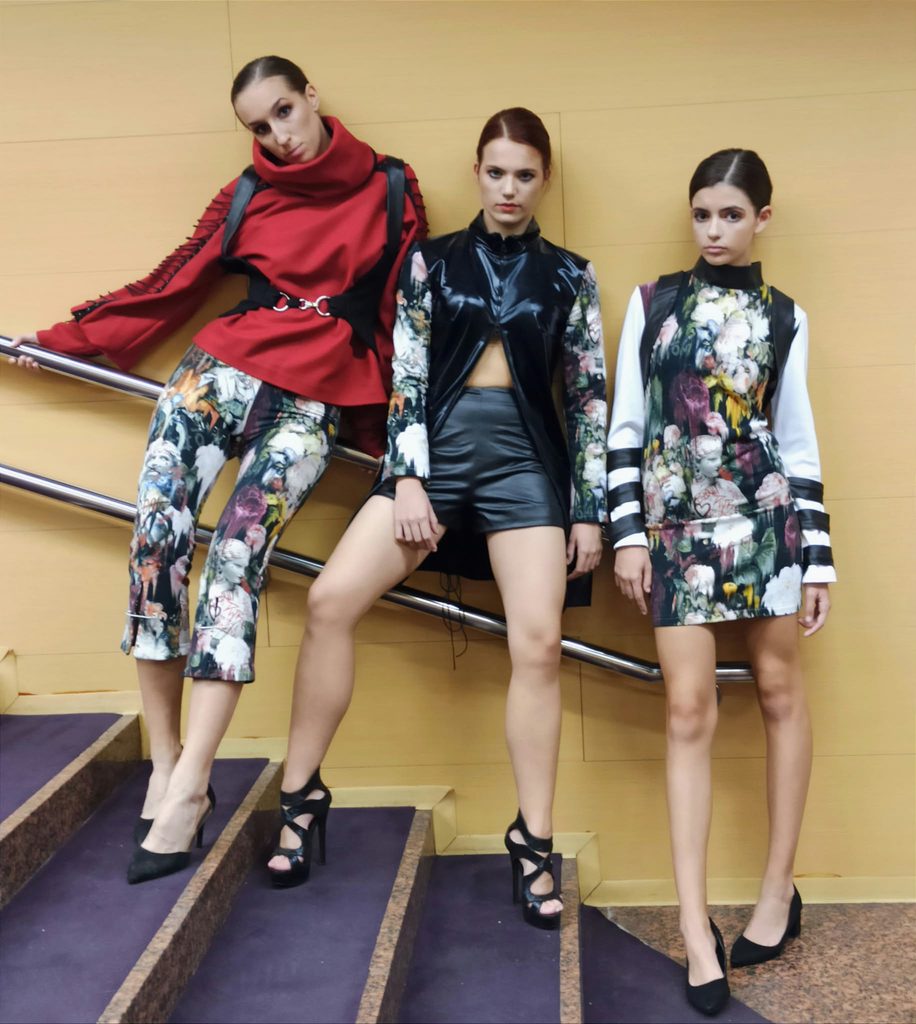
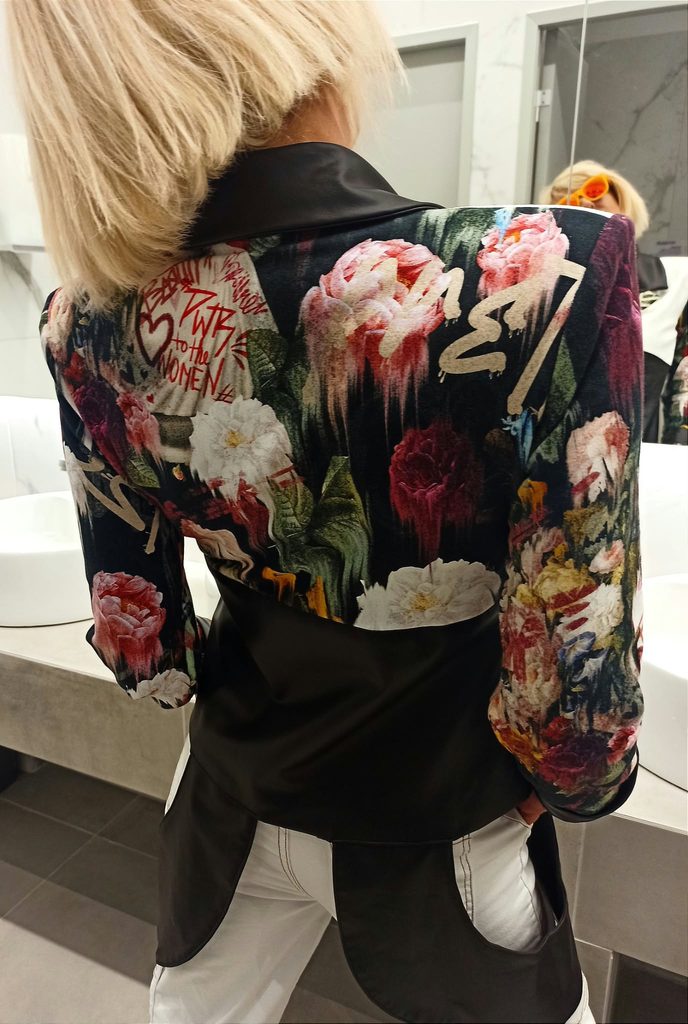
An especially interesting element of the GRiS conference is its intention to bring fashion outside the conventional format of an academic discussion.A fashion installation and models wearing sustainable fashion creations will move through the venue among the audience, transforming clothing into a visible and active part of the event. This creates an encounter between theoretical discourse and creative expression, allowing the audience to engage with sustainability not only through spoken arguments but also through visual and physical experience.
The gesture is significant because fashion is fundamentally a visual and material language. Its possibilities cannot always be communicated through statistics, policies or theoretical frameworks alone. Design can make ideas tangible, reveal alternative approaches to material use and encourage audiences to reconsider their assumptions about clothing.In this context, fashion is not simply an illustration accompanying a sustainability conference. It becomes one of the means through which the subject itself is explored.

Why This Conversation Matters
The importance of initiatives such as this lies in their ability to connect discussions that too often remain separate. Environmental responsibility, cultural production, academic research, design innovation and social contribution are not independent concerns. They are interconnected dimensions of the same transformation.For fashion, this means recognising that sustainability cannot be reduced to an aesthetic category, a marketing strategy or a collection of alternative materials. It requires a more substantial reconsideration of the values, practices and relationships that define the industry.
Equally important is the creation of spaces where designers, researchers, academics and social practitioners can exchange knowledge. Such encounters can contribute to a more informed public conversation and establish connections between theoretical understanding and practical action.
As an institution dedicated to presenting contemporary Greek identity and cultural creation, GRiS Festival provides a setting for this exchange. Its broader philosophy of bringing together creators, scientists and academics across geographical and cultural boundaries gives the sustainability discussion an additional dimension: the opportunity to place Greek creative and intellectual voices within a wider international conversation.
Ultimately, the question is not simply how fashion can become less harmful to the environment. It is also what kind of cultural and social value it can produce.
And perhaps this is where a more meaningful understanding of sustainable fashion begins: not with the question of how to make more responsible products, but with the decision to reconsider why, how and for whom we create clothing in the first place.
Event Information
Fashion & Sustainability | GRiS Festival
Thursday, November 12, 2026
18:00
Hall of the 7th Municipal Community of the Municipality of Athens
Panormou 59, Athens, 11524
Free admission – RSVP required.
Reserve your place via Eventbrite
The conference is held under the auspices and support of the Greek Ministry of Culture, the Greek National Tourism Organisation, the General Secretariat for Greeks Abroad and Public Diplomacy, the Embassy of Greece in Berlin, the Embassy of Greece in London and the Municipality of Athens.In collaboration with the National and Kapodistrian University of Athens, the Museum of History of the University of Athens, Synergia Think Tank, Health Crisis Line and the Greek Community of Berlin.