
LOOP FASHION WEEK 2026
FOUR DESIGNERS, ONE CONVERSATION BETWEEN HERITAGE AND CONTEMPORARY FASHION
New Delhi, India — September 2026
Loop Fashion Week 2026 approached the runway from a different direction. Held in New Delhi from 19–21 September, the event placed fashion in dialogue with heritage, craftsmanship, sustainability, nature and visual storytelling, presenting an outdoor runway experience built around the idea “Where Future Meets Fabric.”
Rather than treating heritage as something fixed in the past, the event brought traditional textile practices and cultural references into a contemporary fashion environment. Among the designers and artisan voices presented during the New Delhi edition, Irfan Abdullah, Khalid Amin Khatri, Sujata Kalra of Rebe & Tulip, and Sonali of Khwaahish Ek Chahat offered four different perspectives on the relationship between tradition and contemporary fashion.
When Heritage Becomes Fashion
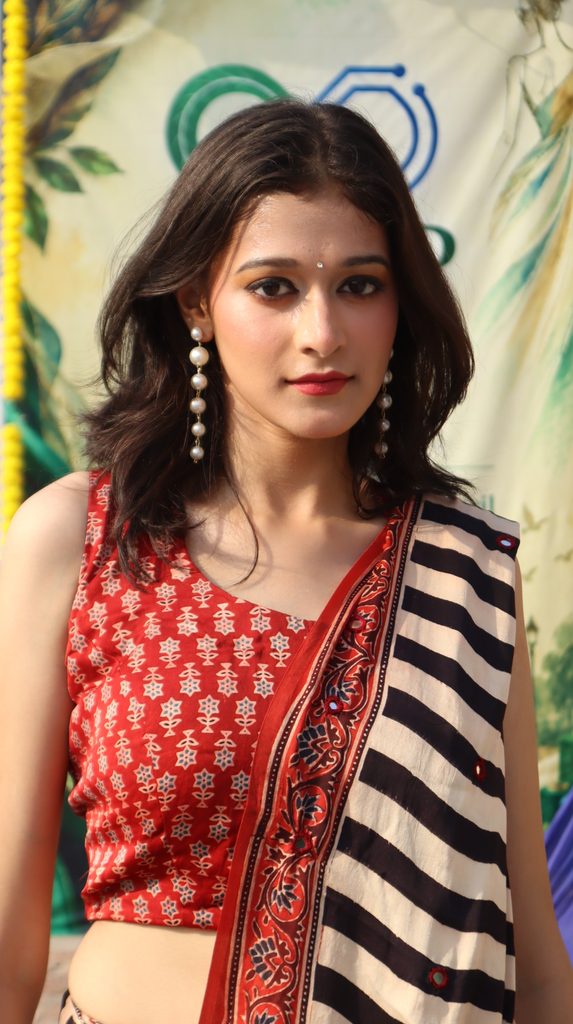
One of the most compelling aspects of the New Delhi edition was its attention to Indian textile and craft heritage. This was particularly visible through the presence of Ajrakh, the traditional hand-block printing practice associated with the textile heritage of western India. Known for its geometric structures, repeated motifs and complex printing process, Ajrakh carries a vocabulary that has continued to evolve through generations of artisans. For Loop Fashion Week, that heritage was not presented simply as archival material. It became part of a contemporary fashion conversation.
Irfan Abdullah approached this dialogue through a collection inspired by the Indus Valley civilisation and Ajrakh textile traditions, accompanied by a Sindhu Ghati-inspired runway environment conceived to reinforce the historical narrative of the work. The result placed textile, environment and storytelling within the same visual framework.
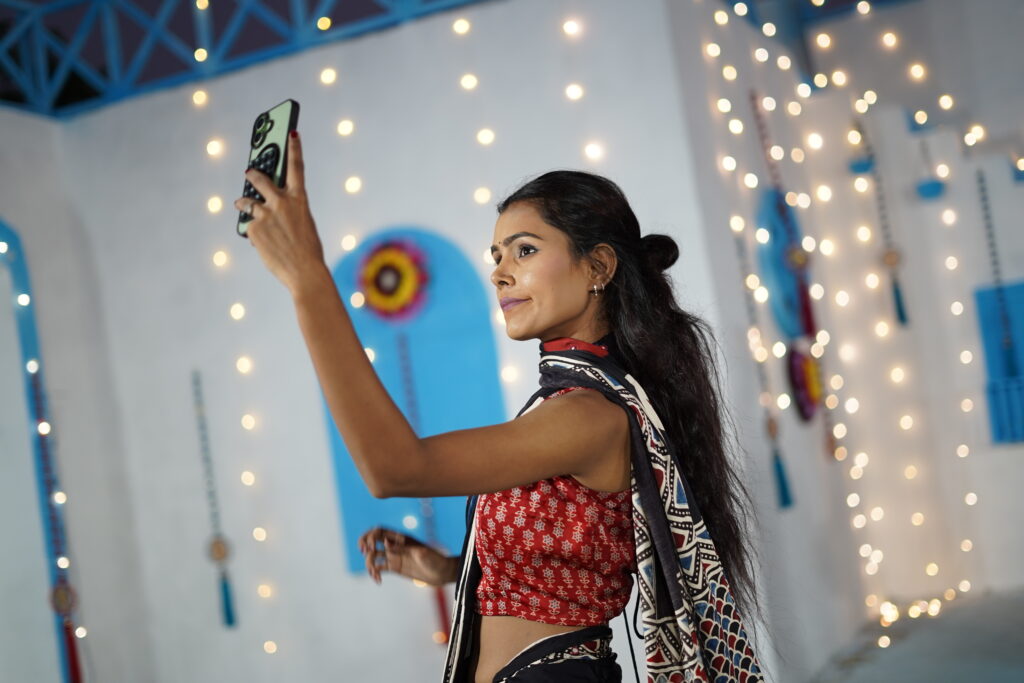
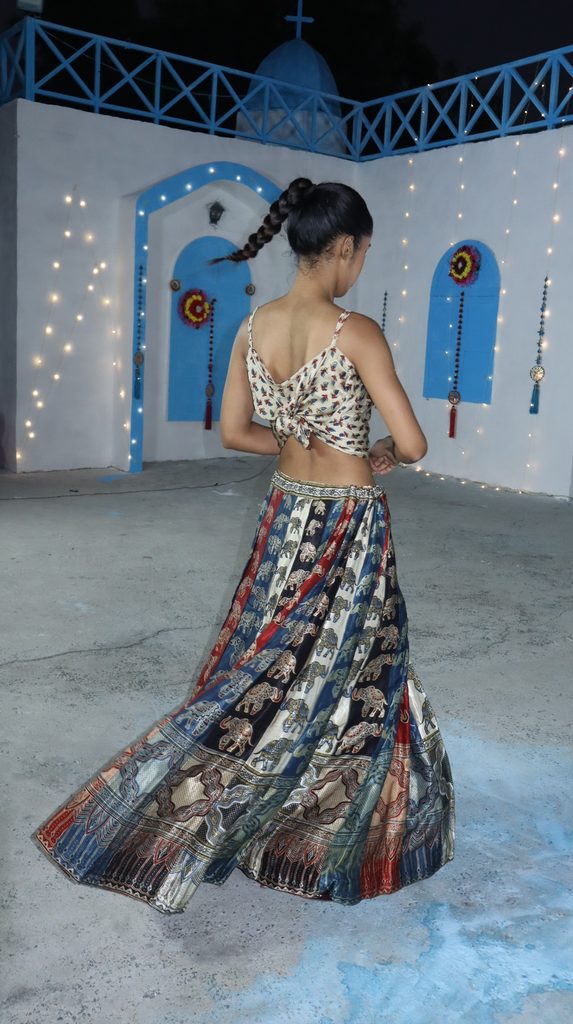
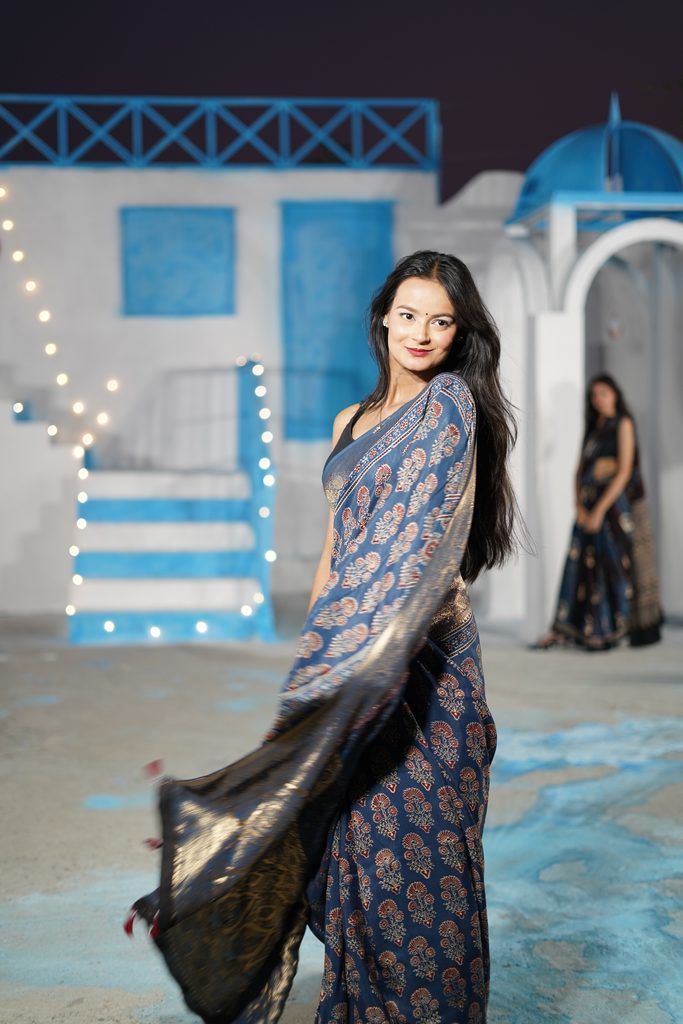
Khalid Amin Khatri: A Living Craft Tradition
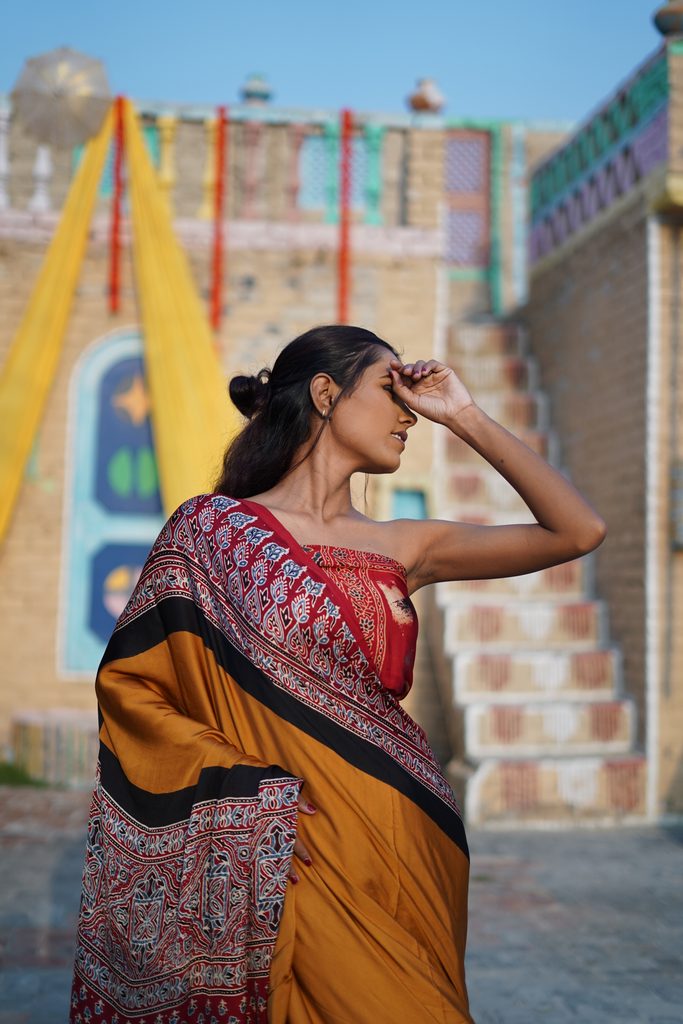
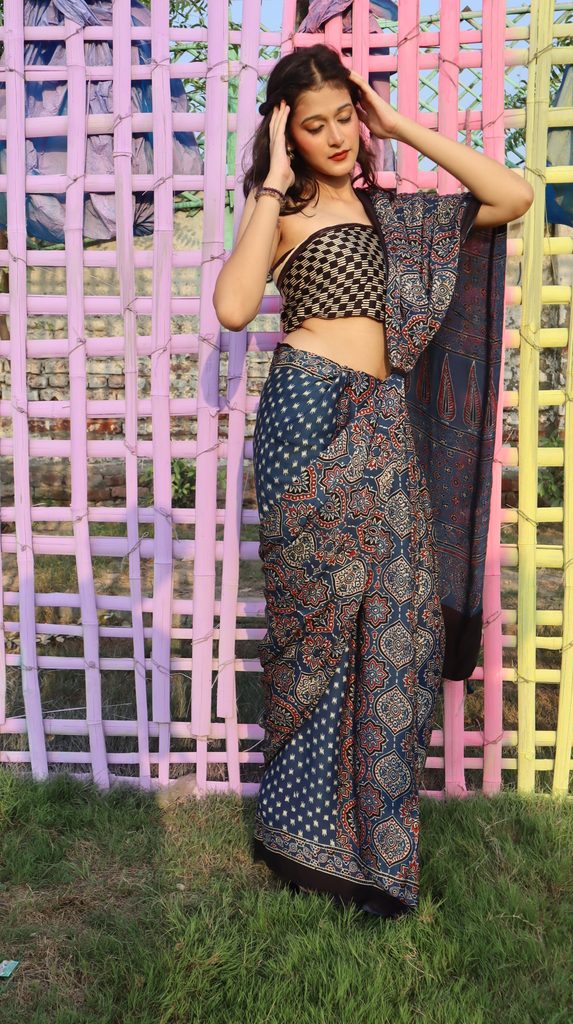
For Khalid Amin Khatri, Ajrakh carries an even more personal dimension. His practice is rooted in a family tradition of craftsmanship that, according to the event materials, extends across approximately four centuries. At Loop Fashion Week, this inherited knowledge entered a contemporary runway context through his collection Jangal. What makes this particularly relevant to the current fashion conversation is the question of continuity.
A traditional craft survives not simply because it is preserved, but because it continues to be practiced, interpreted and given space within changing cultural contexts. Khatri’s work therefore places the artisan at the centre of the fashion narrative. The textile is not merely a surface applied to a contemporary garment. It carries the evidence of time, process and accumulated knowledge. His work also exists within a wider contemporary interest in the evolution of Ajrakh as an artistic and fashion language, demonstrating how a traditional craft can move beyond its conventional boundaries while retaining its connection to its origins.
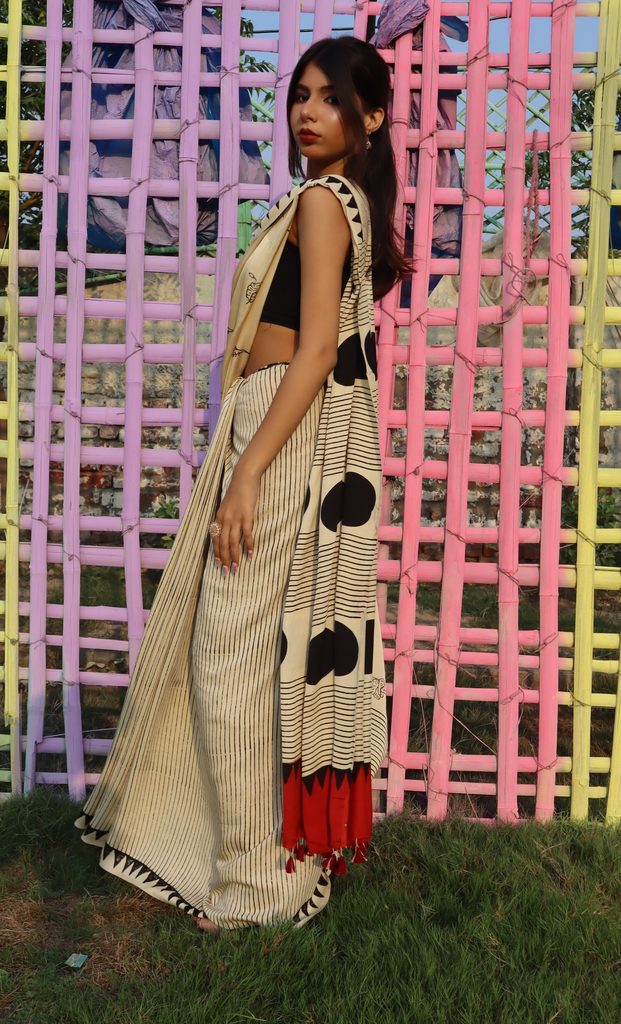
Sujata Kalra: Craft as Conversation
The relationship between craftsmanship and contemporary fashion was also explored through Sujata Kalra, founder of Rebe & Tulip. Kalra’s work extends beyond the presentation of garments. Her involvement with Loop Fashion Week also includes The Loop Forum × Haath Ki Baat — Karigar Ke Saath, a conversation focused on artisans, craftsmanship and the stories behind Indian fashion.
That context is significant. It shifts attention from the finished garment towards the people and knowledge systems behind it. In an industry increasingly concerned with questions of sustainability and transparency, the visibility of the maker becomes part of the fashion story itself. The collection and the accompanying conversation therefore reflect a broader movement within contemporary fashion: reconsidering craft not as a nostalgic category, but as an active form of cultural and creative knowledge.
Sonali: Indian Ethnic Fashion in a Contemporary Setting
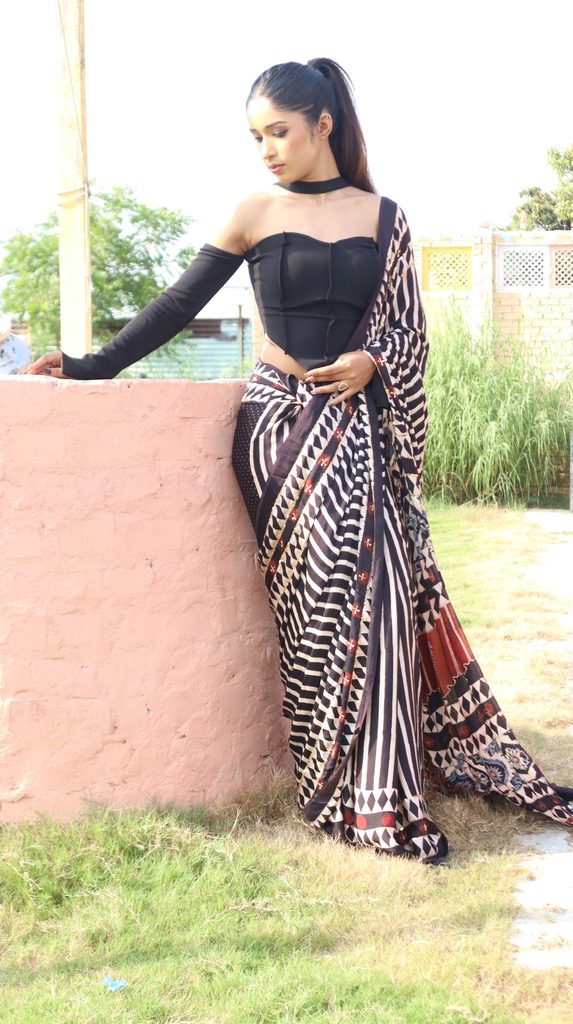
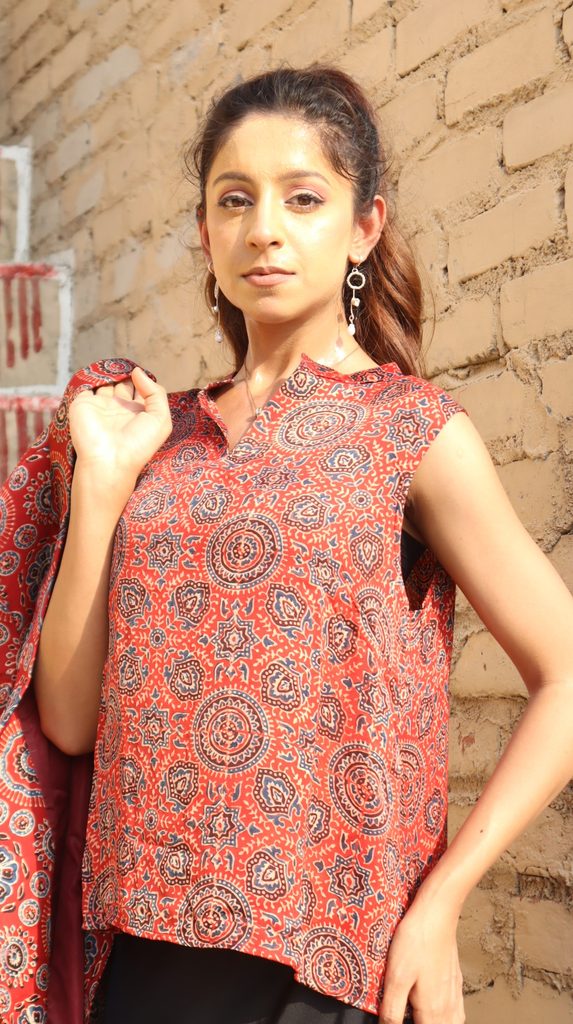
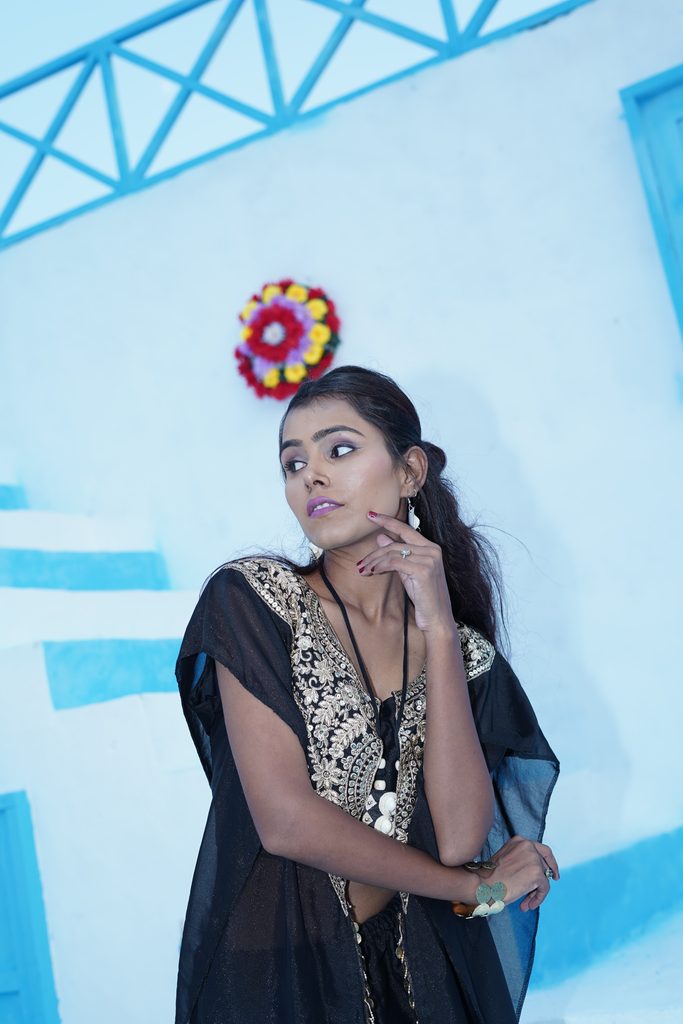
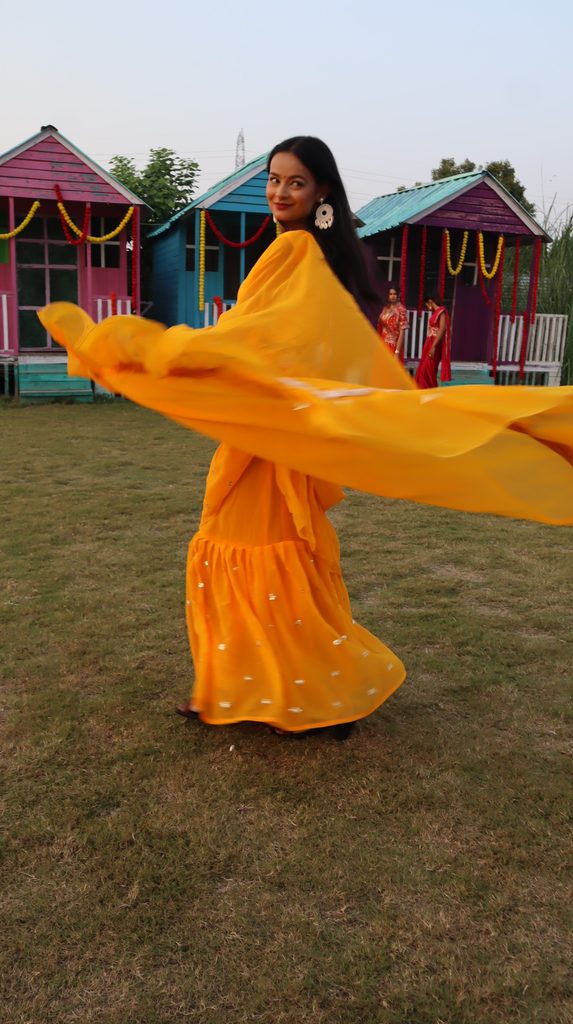
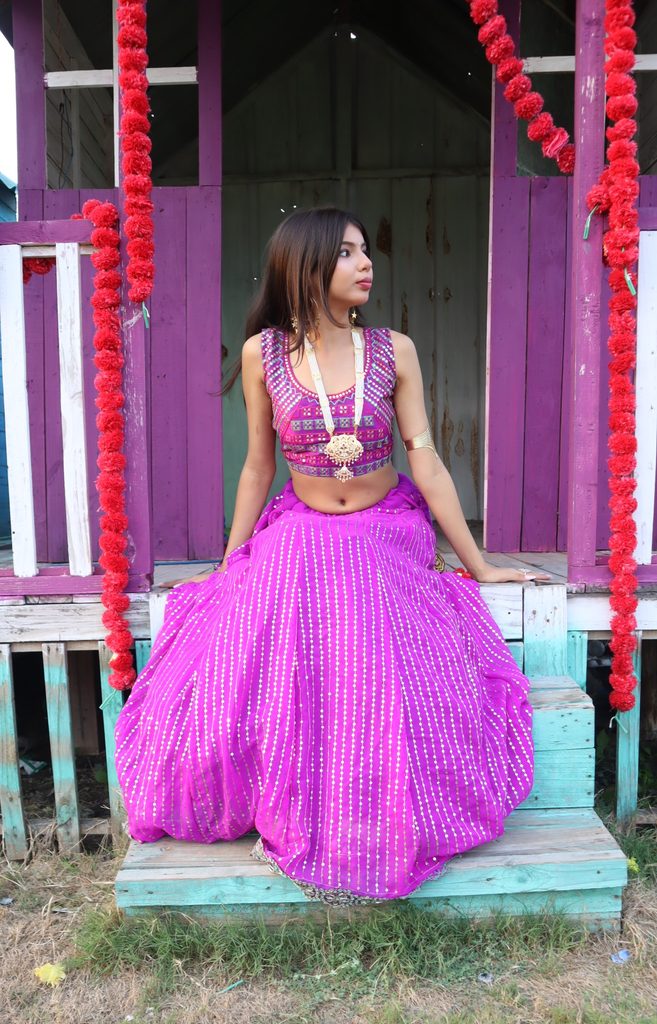
A different interpretation of heritage appeared through Sonali, founder of Khwaahish Ek Chahat. Her collection explored Indian ethnic fashion through traditional aesthetic references, silhouettes and cultural expression, placing them within the contemporary environment of a fashion week. Here, heritage operates less through a specific textile technique and more through identity.
Indian ethnic fashion has always existed through an evolving relationship between tradition and changing social contexts. Bringing these codes onto a contemporary runway allows them to be reconsidered rather than simply reproduced. For Khwaahish Ek Chahat, the runway became a space where familiar cultural references could be viewed through a contemporary fashion lens.
Beyond the Conventional Runway
This approach is central to the identity Loop Fashion Week is developing. The event describes itself as India’s first outdoor runway experience, with its 2026 edition bringing sustainable fashion into an environment shaped by nature, art, culture and storytelling.
The outdoor setting is more than a change of location. It forms part of the event’s attempt to reconsider what a fashion presentation can be. Instead of separating the garment from its surroundings, Loop places fashion within an environment where nature, daylight, craft and narrative become part of the presentation. That creates a different relationship between the collection and its audience.
Four Designers, Four Ways of Carrying Heritage Forward
The four designers presented at Loop Fashion Week do not tell exactly the same story. And that is precisely what makes the conversation interesting. Irfan Abdullah connects contemporary fashion with an ancient civilisational and textile narrative. Khalid Amin Khatri brings inherited artisan knowledge into a contemporary fashion context. Sujata Kalra places the craftsperson and the story behind craftsmanship within the wider fashion conversation, whereas Sonali explores Indian ethnic identity through contemporary runway presentation.
Together, they demonstrate that heritage in fashion does not have a single form. It can exist in a textile, a technique, a silhouette, a family tradition, a cultural memory or the identity carried by a garment.
Where Future Meets Fabric
The phrase “Where Future Meets Fabric” becomes particularly relevant in this context. The future of fashion does not necessarily require abandoning what came before it. Sometimes, it begins by looking more closely at what has already survived. The work presented at Loop Fashion Week 2026 suggests another way of thinking about contemporary fashion: not only through newness, technology or changing aesthetics, but through the crafts, people and cultural knowledge that continue to give clothing meaning.
In New Delhi, heritage was not treated simply as a memory. It was placed on the runway, and allowed to speak in the present.