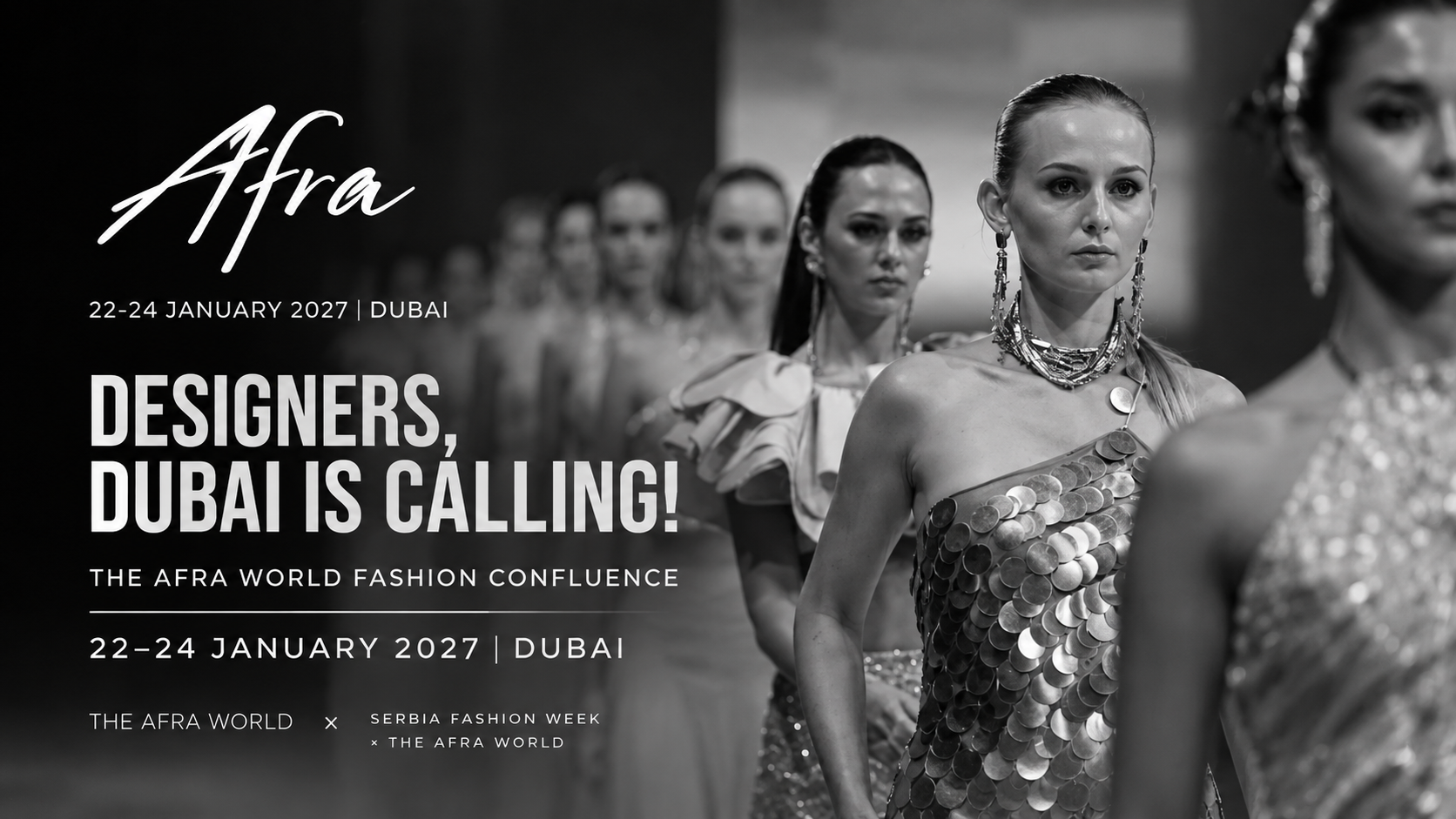
For emerging fashion designers, presenting a collection at an international fashion event can feel like a significant breakthrough. It offers visibility, introduces their work to new audiences and places their creative identity within a wider industry conversation. Yet, once the lights go down and the runway show ends, a more important question remains: what happens next?
\n\n\n\n
\n\n\n\n
In an industry where visibility is frequently treated as a measure of success, the distinction between being seen and being given an opportunity to grow deserves closer attention. In this context, a runway appearance can generate attention, but attention alone does not necessarily translate into commercial recognition, distribution, retail opportunities or sustainable professional relationships. For designers attempting to establish themselves beyond their domestic markets, international exposure needs to become something more substantial than a moment of presentation.
\n\n\n\n
\n\n\n\n
THE LIMITS OF THE RUNWAY MODEL
\n\n\n\n
The international fashion calendar is filled with showcases, fashion weeks, exhibitions and designer presentations. These platforms play an important role in introducing creative work to audiences and connecting different parts of the industry. However, participation does not automatically guarantee access to buyers, retailers, press networks or potential business partners.
\n\n\n\n
\n\n\n\n
For independent designers, particularly those working outside established fashion capitals, the challenge is often structural rather than creative. Developing a distinctive collection is one achievement; finding the right market, establishing distribution channels and building an international professional network are entirely different challenges.This raises an important question about the way emerging talent is supported. Should the success of an international fashion platform be measured primarily by the number of designers appearing on its runway, or by the opportunities that remain available to them afterwards?
\n\n\n\n
\n\n\n\n
The distinction matters. Fashion needs presentation platforms, but it also needs structures that connect creative production with the wider mechanisms of the industry.
\n\n\n\n
\n\n\n\n
BEYOND PRESENTATION: THE IMPORTANCE OF FASHION NETWORKS
\n\n\n\n
The fashion industry operates through relationships between designers, buyers, retailers, manufacturers, media, institutions and cultural intermediaries. International recognition rarely develops through a single appearance. It requires continuity, access and the ability to navigate different markets.
\n\n\n\n
\n\n\n\n
This is where a broader model of fashion platforms becomes relevant. Dubai offers an interesting context for this discussion. Its international commercial environment and geographical position create opportunities for connections between markets across the Middle East, Asia, Europe and Africa. Rather than viewing the city exclusively through the lens of luxury consumption, it is worth examining its developing role as a meeting point for different fashion industries and creative perspectives.
\n\n\n\n
\n\n\n\n
One example is The AFRA World, founded by Niti Gupta in 2022. The platform has developed an approach that extends beyond conventional runway presentation, incorporating fashion showcases, exhibitions, retail partnerships, B2B opportunities, conferences and international collaborations.
\n\n\n\n
Its activities illustrate a wider understanding of what an international fashion platform can offer: not simply a place where designers display their work, but a potential point of connection between creative identity, professional networks and commercial opportunities.
\n\n\n\n
\n\n\n\n
AFRA’s retail and B2B initiatives are particularly relevant in this context. Its stated approach includes market expansion, retail partnerships, distribution and the preparation of brands for entry into different markets. The underlying idea is important: international presence requires more than geographical exposure. It requires an understanding of the destination market, the positioning of the brand and the relationships necessary to support its development.
\n\n\n\n
\n\n\n\n
CULTURAL IDENTITY AS AN INTERNATIONAL ADVANTAGE
\n\n\n\n
There is another dimension to this discussion that deserves attention: cultural identity.As fashion becomes increasingly interconnected, designers are drawing from a wider range of cultural references, traditional craftsmanship, local histories and contemporary interpretations of heritage. These influences are not simply aesthetic elements. They contribute to the identity and distinctiveness of a brand.
\n\n\n\n
\n\n\n\n
However, international expansion also presents a challenge. How can designers communicate their cultural identity to new audiences without having to dilute or simplify it to fit familiar market expectations? A genuinely international fashion environment should not require creative identities to become interchangeable. Its value should lie in bringing different approaches into conversation while allowing each designer to retain the specificity of their work. The question, therefore, is not simply how fashion travels across borders, but what happens to its identity when it does.
\n\n\n\n
\n\n\n\n
FROM VISIBILITY TO OPPORTUNITY
\n\n\n\n
The next stage in the development of international fashion platforms should involve a more meaningful understanding of designer support. Visibility remains valuable, particularly for emerging brands that have limited access to international media and industry networks. But its value becomes considerably greater when accompanied by opportunities for professional development, market access, commercial relationships and continued exposure.
\n\n\n\n
\n\n\n\n
This also requires a more critical understanding of what designers are actually seeking when they participate in international events. For some, it may be press recognition; for others, retail placement, new clients, distribution or access to a particular geographical market. These objectives are not interchangeable, and neither is the support required to achieve them. Platforms that recognise these differences can contribute to a more connected fashion ecosystem.
\n\n\n\n
\n\n\n\n
The development of initiatives such as The AFRA World invites a broader discussion about the changing role of fashion intermediaries. Their contribution is no longer necessarily limited to organising events or presenting collections. They can also operate as connectors between creative communities, markets and industry professionals
\n\n\n\n
\n\n\n\n
The international fashion landscape is not static. While established fashion capitals continue to hold considerable influence, other cities and platforms are creating additional routes for designers to access international audiences and professional networks. The significance of this development should not be measured by whether one city replaces another, or whether a new platform reproduces the traditional fashion-week model in a different location. Its real significance lies in the possibilities it creates.
\n\n\n\n
For emerging designers, the next meaningful opportunity may not be another invitation to walk a runway. It may be an introduction to the right buyer, a retail partnership, an international collaboration or access to a market that previously seemed out of reach.
\n\n\n\n
Ultimately, the future of emerging fashion will depend not only on who gets the opportunity to be seen, but also on who gets the opportunity to move forward.
\n\n\n\n
Because a runway can introduce a designer to the world. What matters is whether the world opens a door in return.