Athens Fashion Week: Made Bride by Antonea — Beauty Beyond the Bridal Fairytale

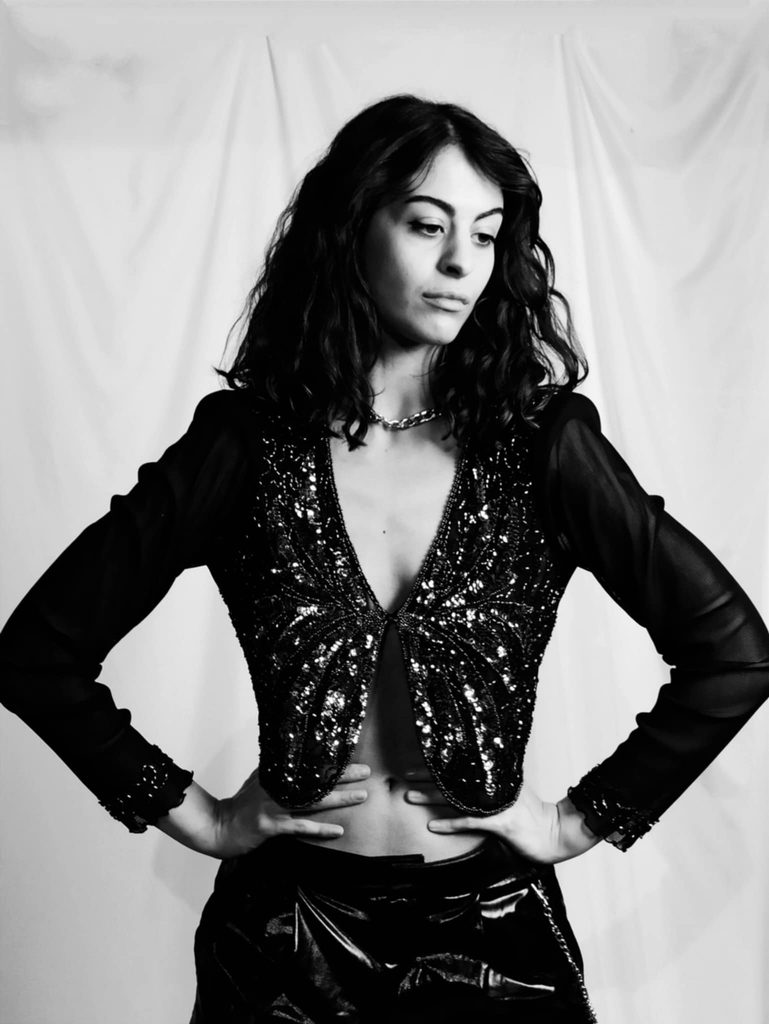
When bridal design moves away from conventional romanticism, the wedding dress becomes a world of its own: atmospheric, sensual, and quietly rebellious.

There is a kind of beauty that does not seek perfection in the conventional sense. Its power lies in ambiguity: softness against darkness, innocence against sensuality, the familiar against the strange. In bridal fashion, where romanticism has been associated for decades with purity, symmetry, and the promise of an everlasting fairytale, this tension opens up a different perspective. What if the bride did not have to look like a princess? What if she could become the protagonist of her own dark, dreamlike mythology?

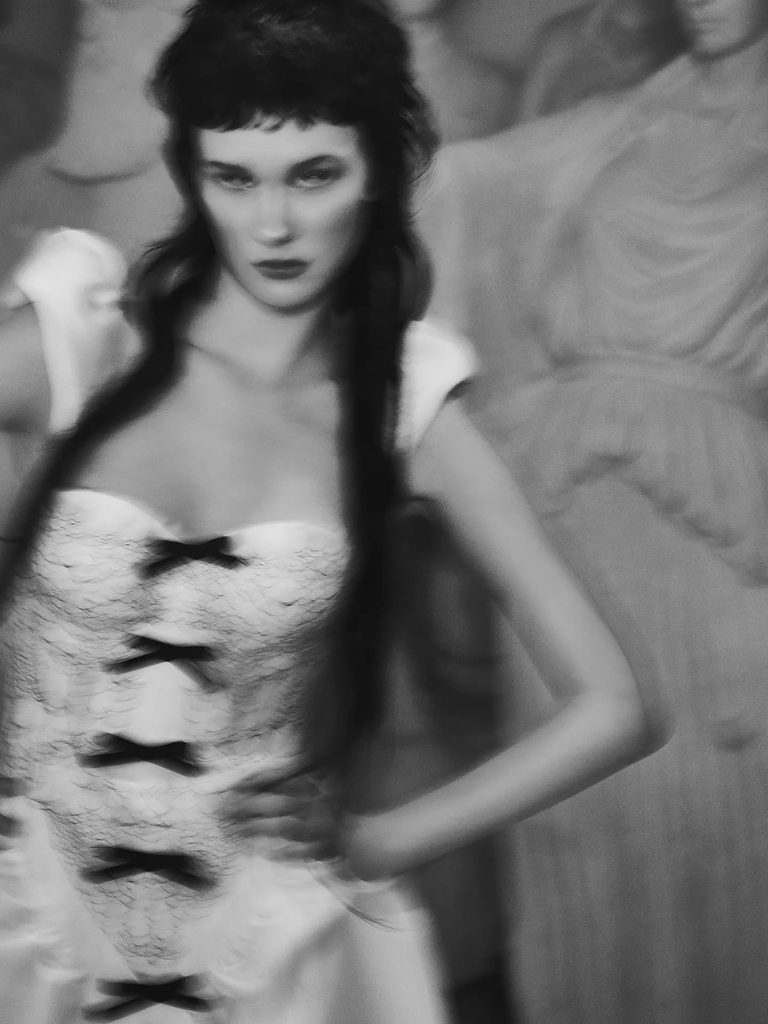
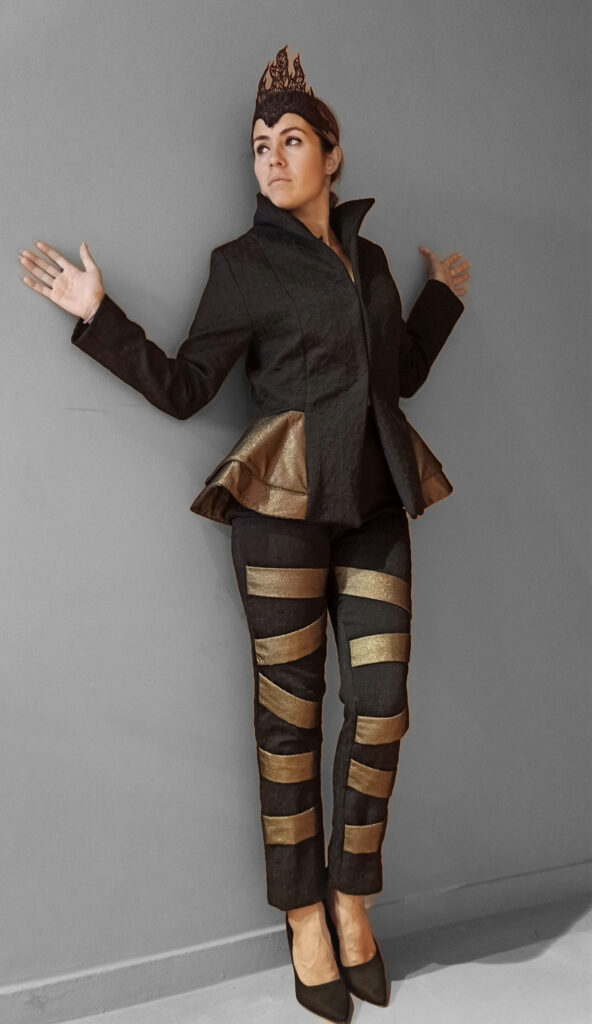
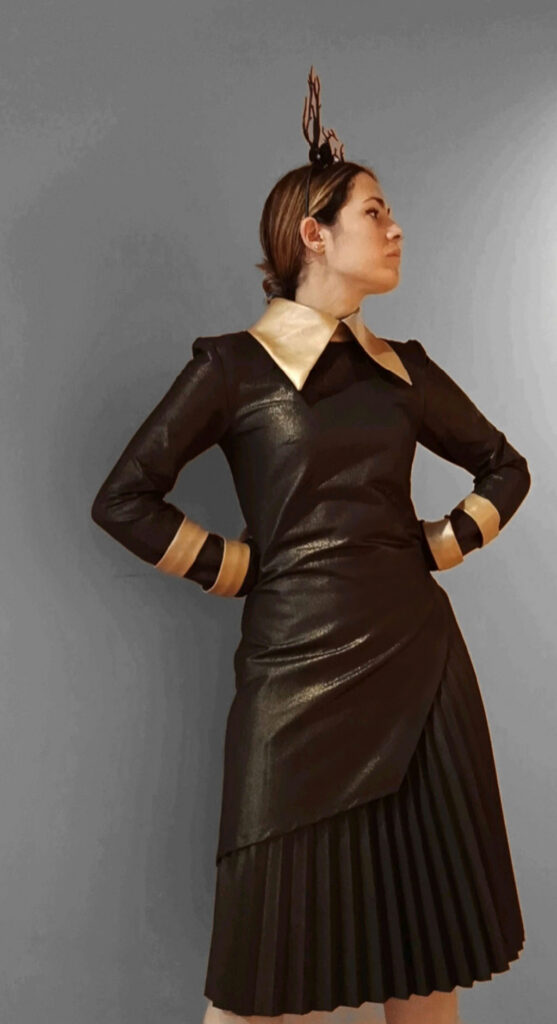
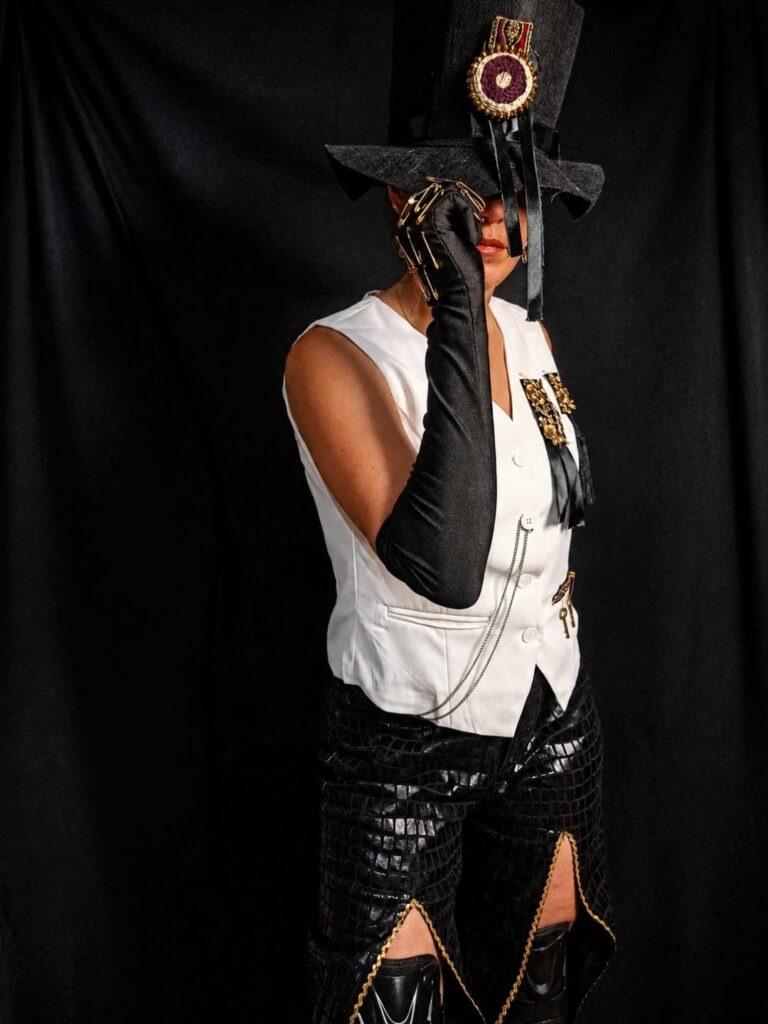
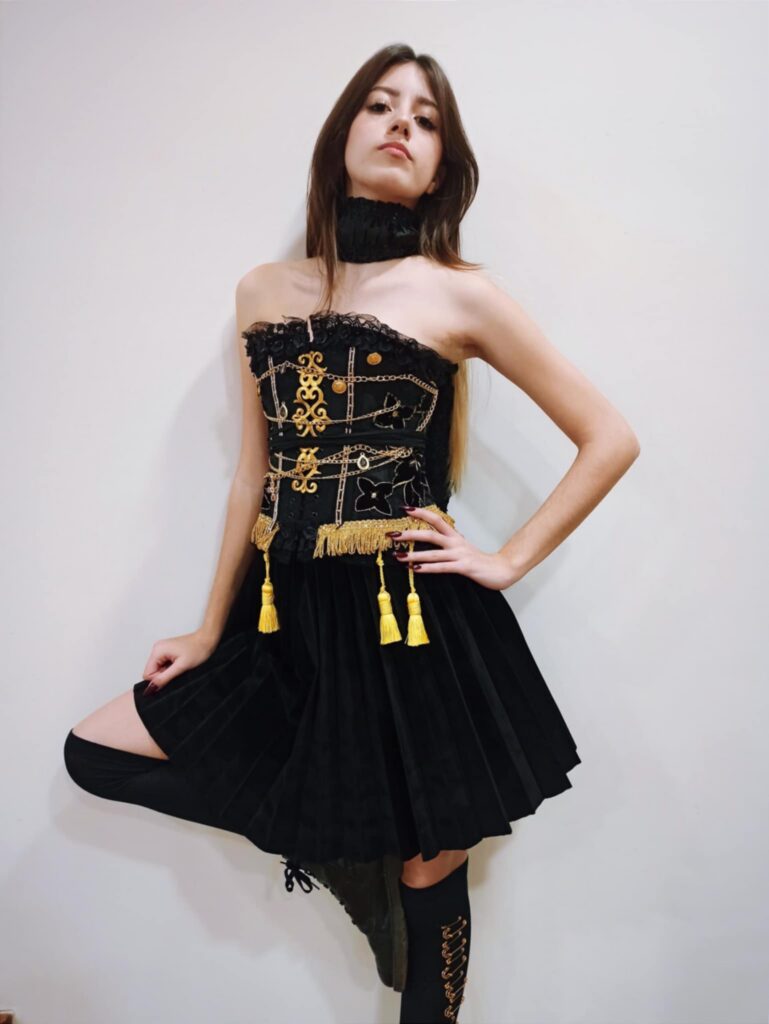
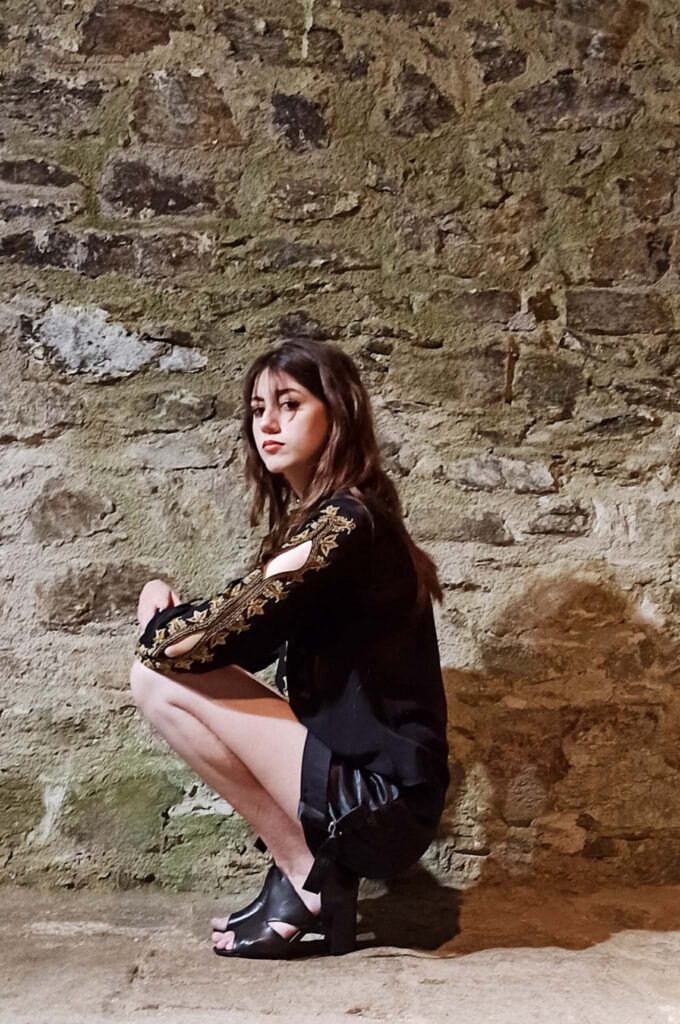
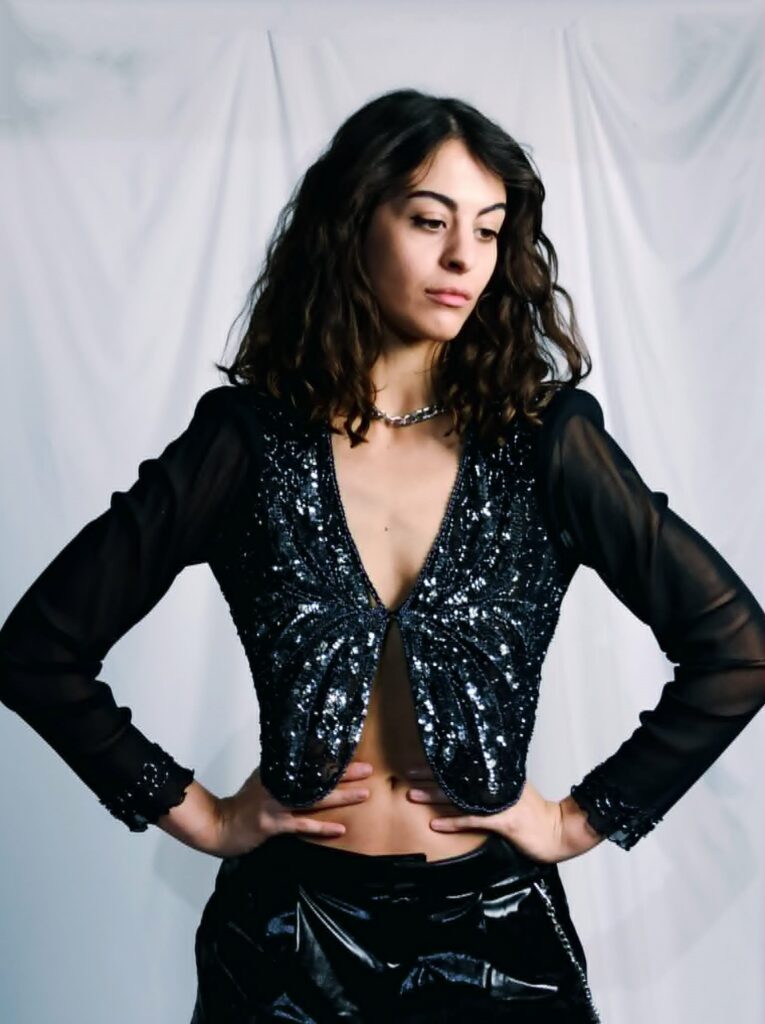
Made Bride by Antonea offers an intriguing space in which to explore this shift.Under the creative direction of Greek designer Dimitra Antonea, the bridal label has developed a design language that moves beyond the wedding dress as merely a ceremonial garment. Handcrafted details, intricate embellishment, and a couture-oriented approach remain central to its identity. Yet, its more expressive visual dimension suggests that the wedding dress can also become a vehicle for exploring sensuality, transformation, and the complexities of feminine identity.

The Romanticism of Dark Fantasy

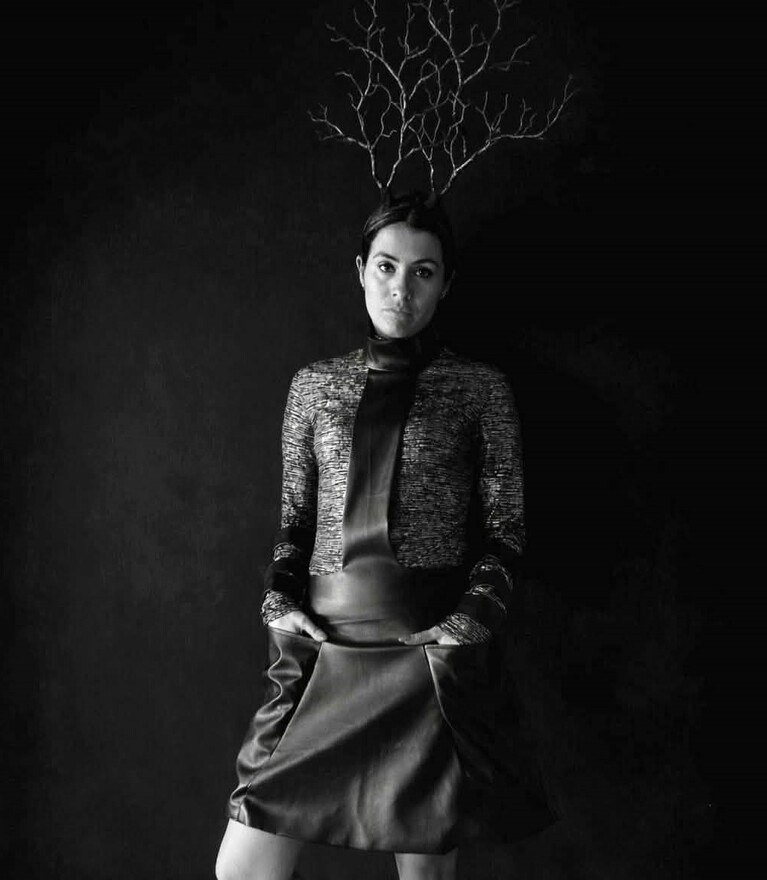
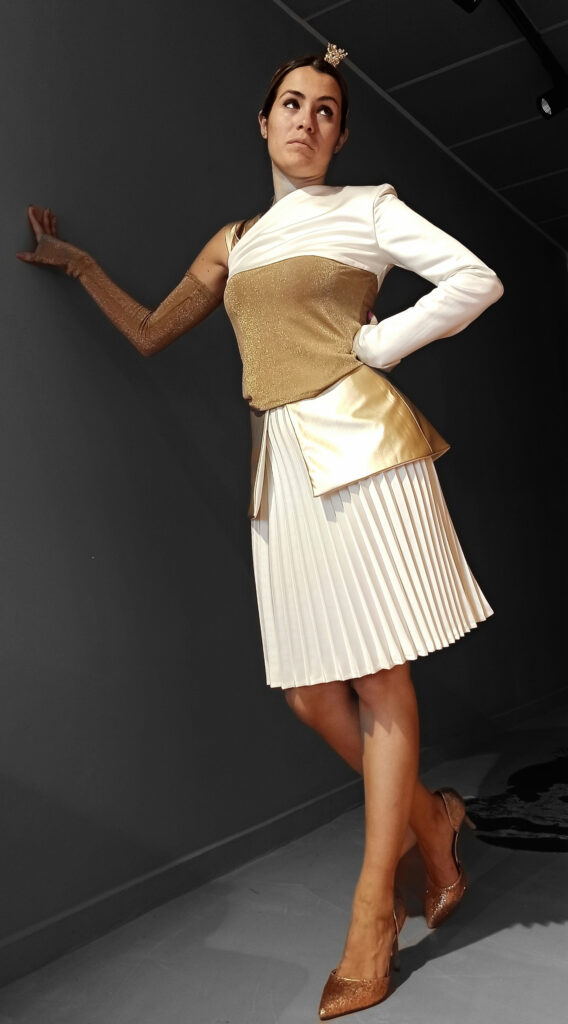
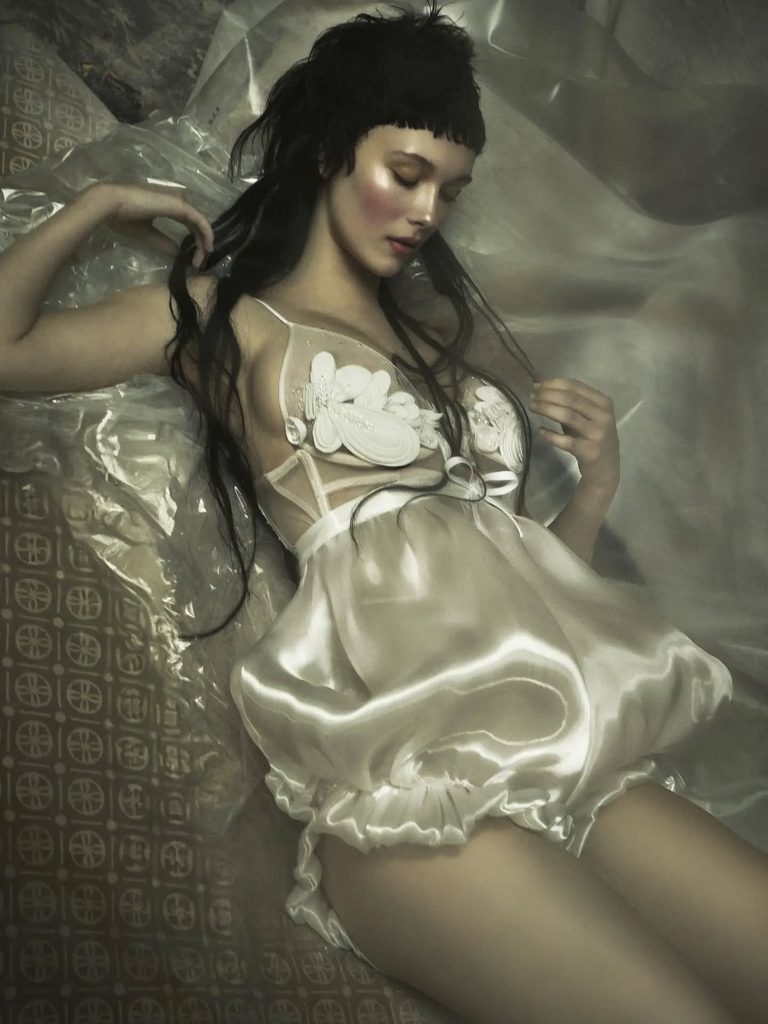
Within the brand’s visual language, white does not necessarily signify innocence, just as delicacy does not imply fragility. Sheer layers of fabric, sculptural floral applications, lingerie-inspired structures, and fluid satin come together in an aesthetic where softness acquires intensity.

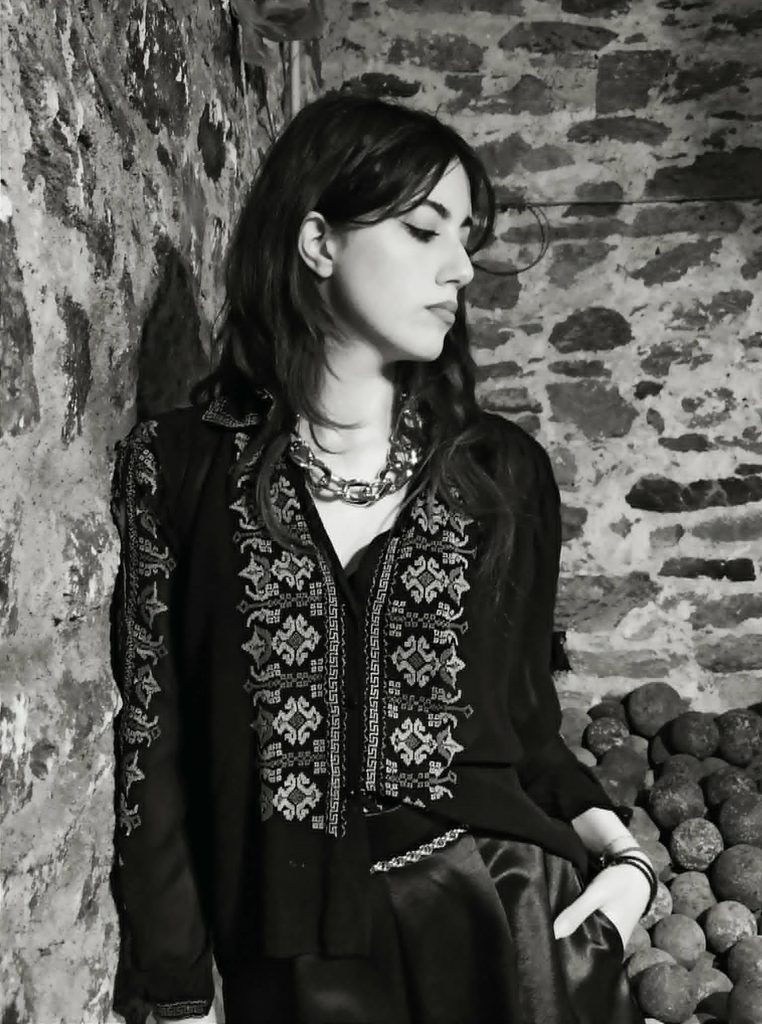
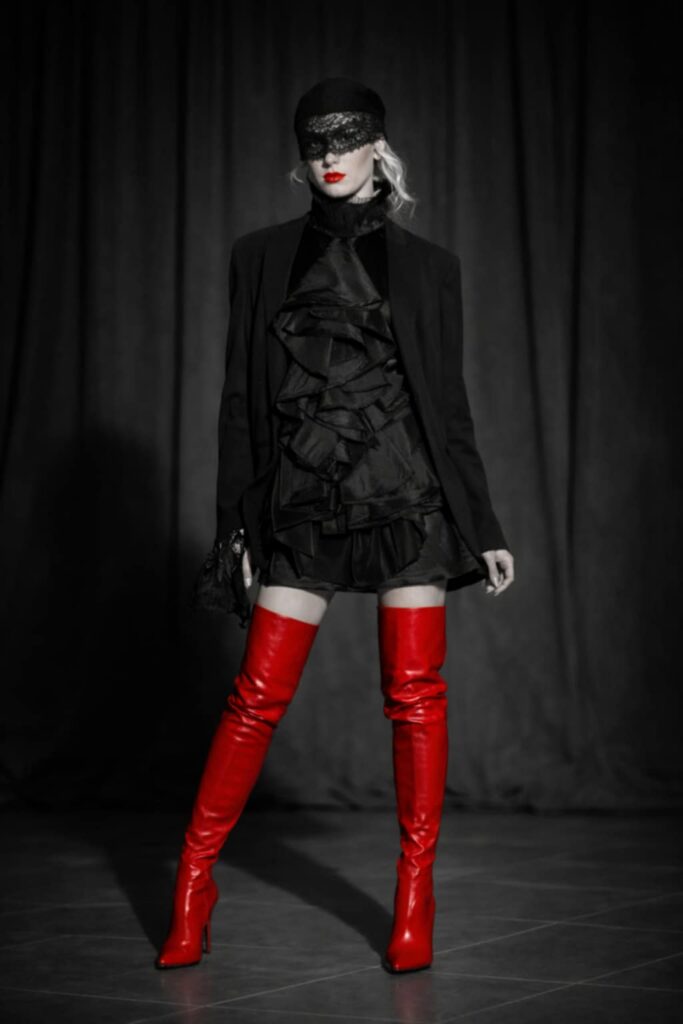
There are echoes of Victorian romanticism in this language, not necessarily as historical costume, but as an aesthetic attitude: the allure of ornamentation, the theatricality of femininity, the beauty of concealment and revelation. A darker, almost gothic undertone emerges without relying on the expected symbols of black lace, dramatic cloaks, or overtly macabre imagery.

This is precisely where the collection becomes compelling: the garments appear weightless without losing their visual impact. Delicate surfaces coexist with structured forms, while the body is revealed, framed, and adorned rather than simply covered.

The result occupies a space between bridal couture, lingerie aesthetics, and the construction of a powerful fashion image. To this end, the bride is not simply dressed for an occasion. She inhabits an atmosphere.

Ecdysis: Shedding the Old Identity

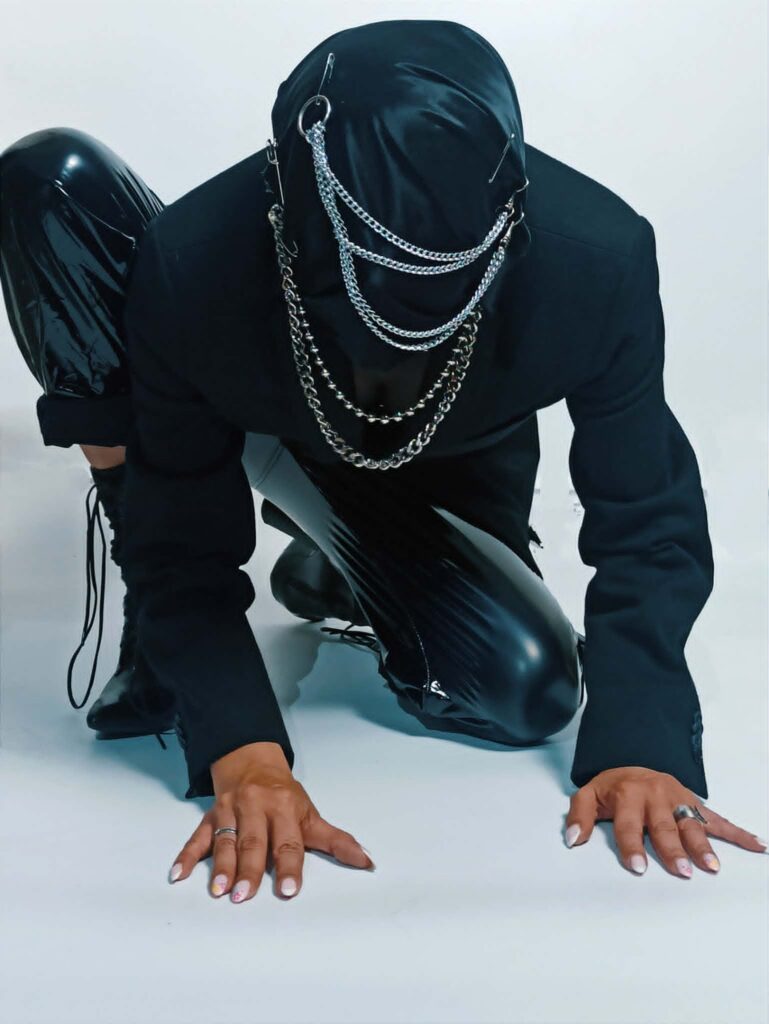
This idea takes a more specific form in the brand’s 2026 collection, Ecdysis. The title refers to the shedding of an outer layer and brings the notion of transformation into the territory of exposure, risk, and self-redefinition. The campaign explores the relationship between the bridal gown, sensuality, and the body beneath the garment.

Rather than treating the revelation of the body as an end in itself, the collection poses a more substantial question: what happens when a woman no longer needs the external image through which she was expected to define herself?

The garment becomes a threshold between different identities. It can reveal and protect, expose and transform. Bridal fashion, traditionally associated with a predetermined image of femininity, becomes a means of challenging that image from within. In this context, the bride moves beyond the archetype and that is precisely what makes the forthcoming runway show worth watching.

We look forward to seeing what Dimitra Antonea brings to the runway on November 1 at 5:00 p.m. at Athens Fashion Week.

Serbia Fashion Week: From Paris to Novi Sad – Rethinking Fashion’s Global Map

Fashion has a geography. For decades, Paris, Milan, London and New York have occupied the centre of the industry’s imagination, shaping not only trends but also the perception of what makes a designer, a collection or a fashion event internationally significant. Yet fashion does not begin and end with its most established capitals. Across Europe and beyond, fashion weeks are building platforms for designers, connecting creative communities and developing their own relationships with the international industry. Their importance raises a question worth asking: what makes a fashion week valuable when it operates outside the traditional centres of fashion power?

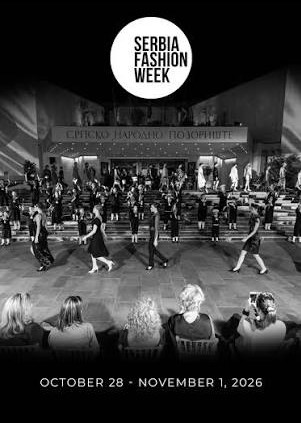
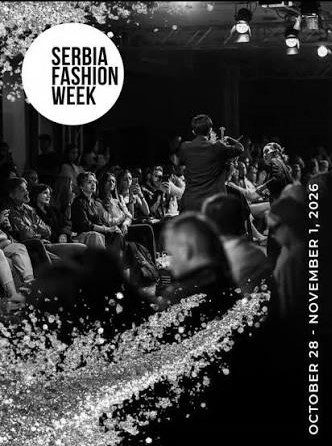
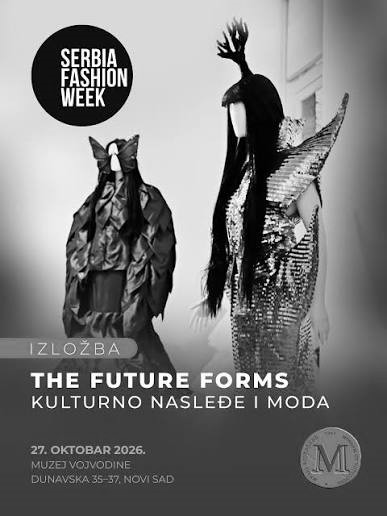
Serbia Fashion Week, held in Novi Sad from October 27th to October 31rst, offers an interesting perspective on this question.

More Than a Runway

A fashion week can be understood as a sequence of shows. But its deeper value lies in what happens around them. Serbia Fashion Week brings together domestic and international designers through a broader programme that includes runway presentations, educational activities, exhibitions and talent competitions. Its stated mission also extends to the development of fashion, accessories and textiles, with an emphasis on creating opportunities for the next generation of designers.

This wider framework matters. Fashion is not an isolated creative practice. It depends on networks of production, knowledge, communication and professional exchange. A collection may establish a designer’s visual identity, but opportunities to develop that identity into a sustainable professional practice require something more: access to audiences, industry relationships and spaces where creative work can be encountered beyond its immediate context. A fashion week becomes meaningful when it helps build those connections.

Visibility Is Not the Same as Opportunity

International visibility is one of the most frequently invoked promises of fashion weeks. Yet visibility alone is an incomplete measure of success. A runway presentation can generate photographs, media coverage and social media attention without necessarily creating a lasting professional opportunity. For emerging designers in particular, the real question is what follows the show.

Serbia Fashion Week’s combination of international presentations, educational programming and talent competitions reflects an ambition that extends beyond the immediate spectacle of the runway. The challenge for any fashion week pursuing this model is to turn those different activities into meaningful, continuing opportunities for its participants.

The Importance of Fashion Beyond the Traditional Centres

The international fashion system is not equally accessible to everyone. Established capitals benefit from accumulated institutional recognition, influential media networks and proximity to major commercial players. Designers working elsewhere may have equally compelling ideas but fewer opportunities to place their work within those networks. This is why regional fashion weeks deserve to be considered on their own terms.

Their significance does not depend on replicating Paris or Milan on a smaller scale. Rather, it depends on their ability to create relevant conditions for fashion to develop locally while engaging internationally. In this respect, Serbia Fashion Week represents an approach that connects a national creative scene with a wider network of designers and cultural activity. Its location in Novi Sad also places fashion within a city whose cultural identity extends beyond the industry itself.

Such platforms can contribute to the international circulation of ideas, aesthetics and creative practices. They can also help challenge the assumption that fashion’s cultural relevance must be validated by a handful of established capitals before it can be taken seriously elsewhere. The objective, therefore, should not be to replace one centre of authority with another. It should be to make the fashion landscape more connected, more plural and more receptive to different creative voices.

Fashion as Cultural Infrastructure

There is another dimension to the value of a fashion week: its relationship with culture. When fashion presentations exist alongside exhibitions, educational programmes and other artistic disciplines, the event can become a meeting point between design and broader cultural production. Clothing is no longer presented exclusively as a product or a seasonal proposition. It can also be approached as a medium through which identity, craftsmanship, heritage and contemporary visual culture are expressed.

Serbia Fashion Week’s multidisciplinary programme offers a framework for this wider understanding of fashion. Its significance, however, should not be measured simply by the number of activities taking place. What matters is whether those activities generate dialogue, encourage new perspectives and create lasting connections between creative fields. This is where a fashion week can move beyond event production and become part of a broader cultural infrastructure.

What Should We Expect from a Fashion Week Today?

The contemporary fashion landscape demands more from fashion weeks than a well-produced runway. Designers need opportunities to develop their work. Creative communities need platforms for exchange. International audiences need reasons to look beyond familiar names and established locations. And fashion institutions need to demonstrate that their programmes contribute something meaningful to the people they bring together.

For Serbia Fashion Week, as for any international fashion platform, the long-term measure of value lies not simply in the visibility of a particular edition but in the relationships, opportunities and creative developments that continue afterwards.This is also a useful way to reconsider the hierarchy of fashion weeks. Their significance cannot be established solely through prestige, geography or proximity to the traditional centres of power. It must also be considered through the opportunities they create, the creative voices they support and the connections they make possible.

Fashion does not become international simply by appearing in a recognised capital. It becomes international when ideas, people and creative practices can move across borders and find meaningful audiences. And this isexaclty where the real value of a fashion week lies: it is not how closely it resembles the established centres of fashion, but how much it contributes to a fashion system that needs more voices, more connections and more ways of being seen.

A$AP Rocky’s AWGE: anti-military aesthetics beyond dystopian spectacle

Fashion has repeatedly borrowed from the visual language of conflict. But what happens when a collection uses the codes of military power not to glorify the soldier, nor to imagine the end of the world, but to expose the contradictions of the world we already inhabit?

Military aesthetics have long occupied an uneasy place in fashion. Uniforms, camouflage, tactical details and protective outerwear move between function, rebellion and luxury, often losing their original meanings in the process. They become silhouettes to desire, symbols to appropriate, and visual shorthand for a world imagined to be under threat.

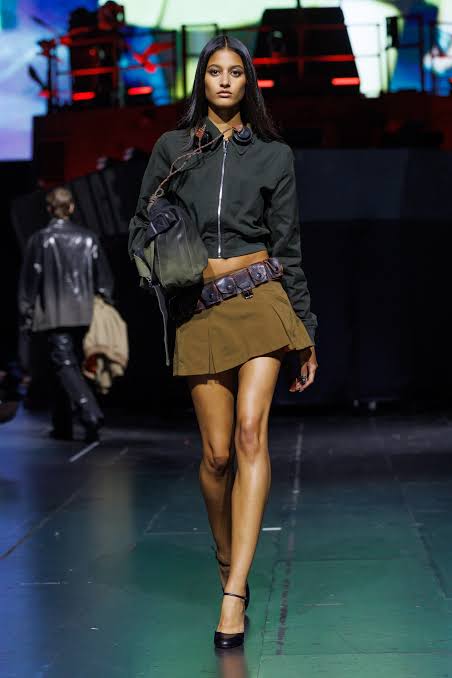
With Anti-War Global Economics, the Spring/Summer 2027 collection by A$AP Rocky’s AWGE, this tension becomes the central proposition. Presented in Paris on 30 September 2026, the collection places military codes within a wider visual language of money, oil, street culture and high fashion. Its title suggests a political position, while its clothes resist the simplicity of a conventional manifesto.  The most interesting question, however, is not whether fashion can look anti-war. It is whether it can engage with the aesthetics of militarism without becoming trapped in the familiar imagery of dystopia.

Beyond the dystopian uniform

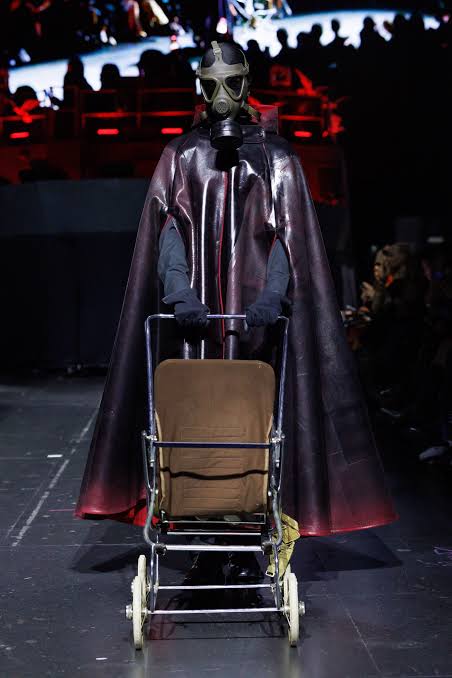
The contemporary fashion imagination often approaches conflict through a recognisable visual vocabulary: distressed surfaces, tactical equipment, camouflage, gas masks and silhouettes that suggest survival after social collapse. These references can be powerful, but they have also become predictable. The imagined future is frequently reduced to a wardrobe for a world already destroyed.

AWGE works with many of these same codes. Tactical vests, cargo trousers, flight caps, military-inspired jackets and gas-mask imagery appear within a show staged around a monumental ship. Yet the collection does not remain confined to a single post-apocalyptic fantasy. Its visual language repeatedly shifts between the military, the urban, the formal and the theatrical.

A military jacket meets the proportions of tailoring. A uniform-inspired silhouette becomes a vehicle for luxury construction. Camouflage moves away from its practical purpose and becomes graphic surface; glossy, almost oil-like finishes complicate the relationship between clothing and the material economies associated with conflict.

These shifts matter. The clothes do not simply imagine what people might wear after catastrophe. They examine how the symbols of power already circulate through everyday culture, entertainment and consumption.

The distinction is subtle but significant. Dystopian fashion often asks us to look at an imagined world in ruins. AWGE brings the visual language of conflict into a recognisable present, where luxury, popular culture and the machinery of global power coexist.

The contradiction of looking powerful

There is an inherent contradiction in an anti-war collection built from the visual codes of war. Military clothing communicates authority, discipline, protection and belonging. On the runway, these qualities can become seductive. A structured shoulder, a commanding coat or a tactical silhouette can project strength even when the stated intention is to question the systems that make such imagery necessary.

AWGE does not entirely escape this contradiction, and it would be too easy to treat the title Anti-War Global Economics as proof that the collection has resolved it. The spectacle of a warship, ranks of models and militarised styling can reproduce the very imagery it seeks to interrogate.

But fashion does not always have to resolve a contradiction to make it visible. The collection’s tension between glamour and aggression, uniformity and individual expression, streetwear and high fashion creates a space in which these codes can be reconsidered. The clothes are neither straightforward uniforms nor conventional visions of a ruined future. They inhabit the unstable territory between them.

That instability is where the collection becomes most compelling: not as a literal anti-military wardrobe, but as a visual argument about the way power is dressed, staged and made desirable.

When luxury meets the machinery of conflict

The economic dimension is essential. The collection’s title places war and global economics in the same frame, while its visual references extend beyond uniforms to money and oil. These are not merely decorative additions. They complicate the idea that conflict exists somewhere outside the world of fashion, detached from the systems of wealth, production and consumption through which luxury itself operates.

Fashion is particularly suited to exposing this contradiction because it transforms abstract systems into material objects. Power becomes a cut. Wealth becomes a finish. Protection becomes a silhouette. A political symbol becomes something that can be photographed, desired and eventually sold.

This is also where the limits of the collection’s anti-war position must remain open to scrutiny. When military references become luxury commodities, does their transformation challenge their meaning, or simply make them more desirable? Can an aesthetic critique of conflict remain critical when it participates in the commercial systems it invokes?

There is no automatic answer. Nor should a runway collection be expected to substitute for political action. Its significance lies instead in the possibility of making the contradictions of contemporary culture visible without pretending to stand outside them.

An alternative to fashion’s apocalypse

What makes AWGE worth examining is not that it abandons dystopian imagery altogether. It does not. The show deliberately uses theatrical and militarised references, and some of its strongest images remain close to the spectacle of a world under threat. Its achievement is more specific: it allows those references to coexist with tailoring, glamour, street culture and the ordinary codes of dressing, rather than allowing the apocalypse to define the entire collection.

This is a more complex proposition than simply dressing for the end of the world. It shifts attention from catastrophe as an aesthetic destination to the contradictions already embedded in the present.

The collection also reflects the increasingly fluid boundaries between music, performance, streetwear and high fashion. AWGE operates across these fields, making its clothes part of a broader cultural language rather than treating the runway as an isolated design exercise. That is where an anti-military aesthetic can become more than a familiar visual formula. Not through the elimination of every military reference, but through the refusal to let those references speak with only one voice.

AWGE does not offer a clean escape from the aesthetics of war. It offers something more ambivalent: a high-fashion world in which the language of militarism is made glamorous, unsettled and available for questioning.

FASHION IS NO LONGER WAITING FOR PERMISSION

Who gets to decide where fashion matters?

For decades, fashion operated according to a remarkably stable geography. Paris. Milan. London. New York. The names changed. The designers changed. The silhouettes changed. But the hierarchy remained largely intact. To be seen in the right city meant something. To enter the right calendar meant something. To be reviewed by the right publication meant something.

Fashion had its capitals and, consequently, its gatekeepers. But something has been shifting. Not loudly enough to declare the old system obsolete. Not dramatically enough to suggest that Paris or Milan have lost their power. They have not.

What is changing is maybe more interesting: the fashion map is becoming harder to control. Independent designers are appearing outside the traditional centres.  lternative fashion weeks are building their own ecosystems. Cities once described as “emerging markets” are increasingly developing fashion identities of their own. And designers are no longer necessarily waiting for the established system to validate them before they begin building an audience.

To this end, the question is no longer simply where is fashion happening?

It is who gets to decide that it matters?

The capitals still matter

There is no point pretending otherwise. Paris, Milan, London and New York continue to concentrate enormous cultural, commercial and media power. Their institutions, buyers, houses, schools, publications and networks remain deeply embedded in the international fashion economy. But concentration is not the same thing as exclusivity.

Recent fashion weeks have repeatedly demonstrated how much creative attention exists beyond the largest names on the calendar. Vogue Italia, for example, has been highlighting independent designers within Milan itself — effectively pointing toward a parallel fashion ecosystem existing alongside the major houses. Meanwhile, analyses of the global fashion-week model increasingly point toward cities such as Berlin, Helsinki and Copenhagen developing their own approaches to fashion, rather than simply reproducing the logic of the traditional capitals. This distinction matters. Because the future of fashion may not be about replacing the capitals. It may be about multiplying the places where fashion can become culturally significant.

The rise of the parallel fashion system

The most interesting developments are often happening in the spaces that were once considered peripheral. A designer does not necessarily need a traditional fashion house behind them. A city does not necessarily need to be one of the Big Four to construct a meaningful fashion week. A fashion platform does not necessarily need to imitate Vogue, or reproduce the structure of a conventional magazine, to become relevant. Alternative fashion weeks make this particularly visible.

Manchester’s Alternative Fashion Week, for instance, explicitly positions itself as a community-led festival bringing together designers, performers, photographers, makers and artists outside the mainstream fashion structure. Other independent platforms are now constructing international programmes across multiple destinations, combining runway presentation with creative production, commerce, education, media and community.

This is not simply an expansion of the fashion calendar. It is an expansion of the definition of the fashion ecosystem itself. Fashion is becoming less dependent on one particular format of legitimacy.

A runway does not need Paris to exist

There is an old assumption in fashion that visibility follows geography. Go to the right city. Enter the right showroom. Get into the right calendar. Meet the right editor.

Then, perhaps, your work becomes visible. But digital media has disrupted part of that sequence.

 A collection can emerge from a relatively unknown city and circulate internationally within hours. A designer can construct a visual language before entering a traditional fashion system. A photographer can create an editorial that travels further than the physical location where it was produced. And a fashion week can become meaningful not because the entire industry is watching it, but because it creates a specific cultural conversation.

That distinction is crucial. A fashion event does not have to compete directly with Milan in order to matter. It can offer something Milan cannot:  a different city,  a different history, a different community, a different relationship between fashion and place. The question should therefore not always be how can this become the next Paris but maybe“what can only happen here?”

The city becomes part of the collection

This is where geography becomes more than logistics. Fashion has always absorbed its surroundings. Paris produced one kind of fashion culture. London another. Tokyo another. But as more cities build their own fashion ecosystems, location itself can become part of the creative proposition.

A fashion week in a Mediterranean city does not have to reproduce Milan. A Central Asian fashion platform does not need to imitate Paris. A Balkan designer does not need to erase regional references in order to appear international.  A city can provide something increasingly valuable in contemporary fashion: context.

The result is not necessarily a less international fashion system. It may actually be a more international one. Because international does not have to mean culturally uniform.

The new question of authority

This brings us back to the real issue. Who decides what matters? Historically, fashion authority was concentrated among a relatively small number of institutions: luxury houses, major fashion publications, established fashion weeks, buyers and cultural gatekeepers.

Today, that authority is more fragmented. Not necessarily democratised — that would be too easy a conclusion. But fragmented. Editors still matter. Fashion weeks still matter. Luxury houses still matter. Algorithms matter. Independent publications matter. Communities matter. Designers themselves increasingly matter as publishers, storytellers and image-makers. And the audience is no longer simply waiting for an institution to tell it what deserves attention.

This creates a strange contradiction. Fashion has never been more accessible as a medium of expression. And yet visibility remains profoundly unequal. There are more platforms. More designers. More cities. More images. More fashion weeks.

But also more noise.

The new problem is therefore not simply access. It is attention.

Beyond the big four

So maybe, the most useful way to think about the current moment is not as the end of the traditional fashion capitals, but as the end of their monopoly over the imagination.

Paris can remain Paris. Milan can remain Milan. London can remain London.

New York can remain New York. And still, fashion can happen elsewhere.

Shanghai’s growing fashion ecosystem is one contemporary example: its Spring/Summer 2027 schedule includes more than 80 runway shows and presentations, while explicitly strengthening the relationship between local Chinese talent and the global market. The same logic is visible in the growing attention paid to emerging designers across different regions. Vogue’s 2026 global emerging-designer initiative, for example, drew nominations from international editions precisely to highlight different regional voices rather than presenting emerging fashion as a single geographical phenomenon.

The world is not becoming one fashion city. It is becoming many fashion conversations at once. And maybe that is the more interesting future.

Fashion does not need permission

The independent fashion movement is not necessarily asking to overthrow the established system. Some designers will eventually enter Paris. Some will show in Milan. Some will work with major houses. Others will remain deliberately outside them. The point is not where they end up. The point is that the path is no longer singular.

A designer can build a language first and seek institutional recognition later. A city can build a fashion identity before being declared a fashion capital. A publication can create a point of view before it has a large audience. A runway can become a cultural event without being part of the most prestigious calendar. Maybe this is what fashion needs now: not another centre, but more centres of meaning.

The geography is changing. The hierarchy is becoming more complicated. And the most interesting designers may no longer be waiting at the door. They are building another one.

When Fashion Builds Its Own Geography: Astana, Central Asia and the changing architecture of fashion

Fashion Writer, Analyst & Awarded Fashion Designer. Exploring fashion’s architecture: stories, systems & conflicts. Fashion theory | Law | Conceptual Runway | Interl Editorial Contributor, RAWF. MAG, Georgia Chioni, PhD

16 Σεπτεμβρίου 2026

For decades, as we have mentioned many times in our posts, the geography of international fashion has appeared almost predetermined: Paris. Milan. London. New York. These cities have not simply hosted fashion. They have helped define what the fashion system considers visible, legitimate and internationally relevant. However, fashion does not exist only where the established system has historically chosen to look.

Across different regions, new fashion platforms are developing their own networks, bringing designers together, creating opportunities for cultural exchange and attempting to connect local creative identities with international audiences. The question, therefore, is no longer simply where fashion happens, but rather who has the infrastructure to make fashion visible?

Astana offers an interesting case. In October 2026, World Designers Fashion Week will bring an international group of designers to Kazakhstan’s capital. Current plans indicate participation from approximately 40 countries, alongside an educational programme and initiatives connecting fashion with Kazakhstan’s wider creative-industry ecosystem. At first glance, this could simply be understood as another international fashion week, but this interpretation would miss, I think, something more significant.

Fashion weeks are infrastructure

Needless, I think, to point out, that a fashion week is not only a runway. It can function as a meeting point between designers, producers, media, educators, institutions, buyers and creative organizations. It can create professional relationships that would otherwise be difficult to establish across geographical boundaries. This becomes particularly important outside the traditional fashion capitals.

A designer working in Central Asia does not necessarily need to reproduce the aesthetic language of Paris or Milan in order to become internationally visible. What may be more important is the existence of platforms capable of connecting different fashion cultures without requiring them to pass through the same established gatekeepers. This is where the emergence of such platforms become interesting. The significance is not simply that international designers are being brought to Astana. It is that Astana is being positioned as a place from which international fashion exchange can take place. And that, I think is a different proposition.

From periphery to meeting point

The traditional fashion system has often been described through a centre-periphery relationship. Certain cities produce the dominant narratives. Other cities participate in them. However, the growth of independent fashion platforms complicates this model. To this end, the question becomes whether a city outside the established capitals must first receive recognition from those capitals — or whether it can construct its own networks of visibility.

Central Asia is particularly interesting in this regard, because fashion here exists at the intersection of multiple cultural histories, regional identities and contemporary creative ambitions. Kazakhstan’s own fashion ecosystem is simultaneously engaging with cultural heritage and contemporary international fashion. Recent initiatives around World Designers Fashion Week, for example, have explicitly connected traditional craftsmanship and cultural identity with contemporary design and international professional exchange.

This suggests that internationalization does not necessarily have to mean cultural homogenization. It can also mean creating a space in which different fashion languages encounter one another.

The new fashion map

Maybe the most interesting development is therefore not the appearance of another fashion week on the international calendar, but the possibility of a more complex fashion map. One in which Astana, Tbilisi, Baku, Harare, Belgrade, Tirana, Seoul, Lagos or other emerging fashion territories are not automatically understood as peripheral versions of established capitals.

Their importance may instead lie in what they can build themselves: networks, institutions, creative communities, educational structures, cultural exchanges, and new routes through which designers can become visible. The future of fashion geography may, therefore, be less about replacing Paris, Milan, London or New York and more about decentralizing the system around them. Because fashion has never been only a question of location. It is a question of access, visibility, infrastructure and power, and whenever a new platform creates an alternative route into the international fashion system, it raises a larger question, related to who gets to decide that matters. Astana is a good place to look into this question.

The Invisible Architecture of Fashion

Fashion is often understood through its visible elements: garments, trends, styles and images. Yet beneath this surface operates a much more complex structure. Fashion is not simply something we wear; it is a social system through which meaning, desire and ideas of normality are continuously produced.

Clothing acquires meaning through its relationship with the body and with society. A garment can communicate identity, cultural values, social position or resistance. What we wear therefore becomes part of a wider process through which individuals present themselves and are interpreted by others.From this perspective, fashion does not merely reflect society. It participates in organising it.

New trends do not emerge in isolation or solely from individual creativity. They circulate within a system that determines which ideas become visible, which remain marginal and which eventually become accepted as mainstream. What appears new is often the result of a process of selection, repetition and adaptation.This also explains fashion’s remarkable ability to absorb difference.

An unconventional aesthetic may initially challenge established norms. Once it becomes visible, however, it can be adopted, transformed and incorporated into the dominant fashion system. What was once considered unusual can become desirable; what was once an act of resistance can eventually become a trend. Fashion, therefore, constantly reproduces itself through difference.

At the centre of this process lies desire. We do not simply choose clothing because of its practical function. Garments carry meanings: individuality, belonging, status, rebellion, aspiration. Fashion continually creates new objects of desire while simultaneously redefining what is considered current, relevant or acceptable.

Even criticism can become part of this mechanism. Alternative styles and forms of resistance may be incorporated into fashion rather than remaining outside it. In this way, the system renews itself without losing its recognisable structure.

The body is an active participant in this process. Through movement, styling, performance and everyday practice, clothing is repeatedly interpreted and transformed. Fashion therefore exists not only in garments themselves, but in the interaction between body, object, space and society. Seen this way, fashion is far more than an aesthetic phenomenon.

It is an invisible architecture of social organisation — a dynamic system that continuously negotiates difference and normality, produces desire and determines what becomes visible. Maybe the most revealing question is therefore not simply what is fashionable, but rather who — and what — determines what becomes fashionable?

What We Wear, What We Reveal: Fashion as a Language of Society

Fashion is often discussed through images: collections, silhouettes, colours, fabrics and the seasonal vocabulary of trends. Yet, clothing communicates long before we begin to describe it. What we wear tells a story about the way we see ourselves — and about the society in which we live.

A garment can express belonging, individuality, status, rebellion or aspiration. It can connect us to a cultural heritage, signal our relationship with a particular community, or deliberately separate us from one. In this sense, fashion is not simply an aesthetic practice. It is a language, and like every language, it changes according to its social environment.

The body as a social statement

Clothing does not exist independently of the body. A garment acquires meaning when it is worn, seen and interpreted. The same piece can communicate something entirely different depending on the person wearing it, the context in which it appears and the cultural codes surrounding it. This is why fashion has always been closely connected to identity.

We do not dress in a social vacuum. A contrario, we make choices within a world filled with expectations about gender, age, class, beauty, professionalism and what is considered appropriate or desirable. Sometimes we follow those expectations, others we negotiate with them. And sometimes we deliberately challenge them. That tension is one of the reasons fashion remains such a powerful form of cultural expression.

Fashion reflects society — but it also shapes it

It is tempting to describe fashion as a mirror of society. But a mirror only reflects what is already there. Fashion does something more complicated: it can reinforce existing ideas, but it can also introduce new ones. Designers, subcultures and communities can challenge established notions of beauty, identity and normality by presenting different ways of inhabiting the body.

What initially appears strange can gradually become familiar.What was once considered inappropriate can become desirable. And what was once associated with a particular social group can eventually enter mainstream culture. Fashion, therefore, does not simply document social change. It can participate in producing it.

The politics of visibility

Not every aesthetic receives the same attention. Some designers, communities and cultural references are immediately recognised by the fashion system, while others remain largely invisible. Certain narratives become part of the international conversation; others struggle to find space within it. This makes visibility an important part of fashion. To be seen is not simply to appear, it is to be recognised, discussed, photographed, published, exhibited and remembered.

The question of who becomes visible in fashion is, therefore, also a question about whose identity, culture and creative language are considered worthy of attention. This becomes particularly significant in an increasingly global fashion landscape, where creative practices emerge far beyond the traditional centres of Paris, Milan, London and New York.

When difference becomes desirable

Fashion has another fascinating characteristic: it constantly searches for difference. Newness is essential to the system.Yet, many of the ideas that eventually become fashionable begin outside the mainstream. Subcultures, underground movements and marginalised aesthetics can introduce visual languages that challenge established conventions. Once those ideas attract attention, however, they can be absorbed by the industry. The outsider becomes an influence. The unconventional becomes an aesthetic.

The rebellious becomes a trend. This process is neither entirely positive nor entirely negative. It reveals the extraordinary ability of fashion to circulate ideas between the margins and the centre,  while also raising questions about who benefits when cultural expressions are transformed into commodities.

Dressing the self

Maybe the most personal aspect of fashion is also the most universal. We use clothing to construct versions of ourselves. There is the self we feel we are, the self we want to become, and the self we want others to see.

Fashion exists somewhere between all three. A suit can become a statement of authority. A dramatic silhouette can become an act of self-invention. A traditional garment can become a connection to heritage. A deliberately unconventional look can communicate refusal — a refusal to conform to expectations. In each case, clothing becomes part of the narrative of the person wearing it.

Beyond the surface

Fashion is often dismissed as superficial because it deals with appearance. But appearance is rarely superficial in social life. We judge, interpret and categorise through visual signals every day. Clothing participates in that process, consciously or unconsciously. This is precisely why fashion deserves to be examined beyond the runway. It tells us what a society values. It reveals what it considers beautiful, respectable, provocative or acceptable. It shows which identities are celebrated, which are questioned and which remain invisible. And sometimes, it reveals the contradictions between them.

Fashion may begin with fabric, but it does not end there. It touches identity, culture, power, desire and belonging. Perhaps this is why what we wear matters far more than the clothes themselves. Because when we dress, we are not simply choosing an outfit.

We are choosing — intentionally or otherwise — a way of appearing in the world.

Who Gets to Decide What’s Fashion?

At every season, fashion gives us something new to want. A particular silhouette, a colour, a fabric, a way of styling the body suddenly appears everywhere — on runways, across social media, in magazines, in stores and eventually on the street. We tend to experience trends as if they simply happen. As if an aesthetic emerges, captures our attention and becomes popular because people collectively decide that they like it.

But fashion is rarely that spontaneous. Behind every trend lies a complex system of visibility, influence and desire. Some ideas are given space. Others remain largely unseen. Some designers become references while others struggle to enter the conversation. Certain aesthetics are presented as new, relevant or desirable, while others disappear before they have the opportunity to be recognised. Fashion, therefore, does more than reflect what society likes. It also participates in deciding what society learns to like.

Clothing as a social language

A garment is never simply a piece of fabric. What we wear, communicates. It can signal identity, cultural belonging, social position, rebellion, aspiration or even our relationship with particular communities and ideas.

The meaning of clothing is produced not only by the designer but also through the body that wears it and the society that looks at it. The same garment can therefore communicate entirely different things depending on who wears it, where it appears and how it is framed. This is why fashion cannot be reduced to aesthetics. It is also a system of symbols. And once fashion becomes a system of symbols, it inevitably becomes a system of selection: some meanings become visible, while others remain outside the dominant narrative.

How difference becomes desirable

There is an important paradox at the heart of fashion. The industry constantly needs something new, yet the new often comes from places that exist outside the mainstream.

Subcultures, underground scenes, alternative communities and unconventional designers have historically provided fashion with some of its most influential ideas. What begins as a rejection of established aesthetics can eventually become the inspiration for an entirely new visual language.

But once that difference becomes desirable, something changes. The outsider aesthetic enters the system. It is photographed, styled, commercialised, reproduced and eventually distributed to a much larger audience. What once represented resistance can become a trend. What once challenged convention can become part of the new convention. To this end, fashion has an extraordinary ability to absorb what initially stands against it. Maybe this is one of the reasons it never stops reinventing itself.

The business of desire

Fashion does not simply sell clothes, it sells meanings. A garment can represent confidence, freedom, youth, status, individuality or belonging. Its material value may be relatively simple, but the symbolic value attached to it can be enormous. This is where desire becomes central. To this end, fashion continuously produces the feeling that there is something else to become, something else to wear, something else to discover.

Yesterday’s desirable aesthetic can quickly become outdated, while another is presented as the new expression of relevance. The constant movement between the old and the new keeps the system alive. Social media has intensified this process. Trends can now emerge, circulate and disappear at extraordinary speed, while algorithms continuously expose us to images that influence what we recognise as desirable. So,  the result is not simply faster fashion. It is faster desire.

When rebellion becomes a trend

Maybe the most fascinating contradiction is what happens to fashion’s critics. A style created as an act of resistance can eventually become an aesthetic category. An underground symbol can become a luxury detail. A subcultural identity can become a marketing reference. The system does not always have to defeat its opposition. Sometimes, it simply absorbs it.

This does not necessarily make the original form of resistance meaningless. But it does reveal something important about fashion: its ability to transform contradiction into consumption. Rebellion itself can become fashionable.

So, who decides?

If we look at fashion only as an industry that produces and sells clothing, we miss much of what makes it powerful. Fashion is also a cultural system that produces meanings, hierarchies and desires. Designers create. But editors select. Stylists frame. Buyers legitimise. Media amplify. Platforms distribute. Consumers reproduce — or reject — what they encounter. No single actor completely controls the process.Yet, together, these mechanisms determine which ideas become visible enough to matter. Maybe this is why  the most interesting question about the next trend is not what we are going to wear next but who decides what we should want?

Behind every trend there is more than a garment. There is a story about visibility, power, identity and desire. Once we begin to look at fashion through that lens, the runway starts to reveal something much larger than clothes: it begins to reveal how society itself decides what is worth seeing.

Can AI Remember Tradition?

The Fashion Architect

Fashion Writer, Analyst & Awarded Fashion Designer. Exploring fashion’s architecture: stories, systems & conflicts. Fashion theory | Law | Conceptual Runway | Interl Editorial Contributor, RAWF. MAG, Georgia Chioni, PhD

17 Ιουλίου 2026

Artificial intelligence has become remarkably proficient at reproducing visual languages. It can generate embroidery, inspired by Byzantine mosaics, reinterpret East Thracian costumes, simulate victorian tailoring or combine gothic silhouettes with contemporary fashion within seconds. To many observers, this appears to demonstrate that AI is capable of preserving tradition.

I would argue that it does something fundamentally different: AI does not remember tradition. It reconstructs patterns. This distinction is more than semantic. It raises profound questions about originality, cultural memory and the future of creative practice.

Memory is not simply the accumulation of visual information. It is a living relationship with history. It is embedded in rituals, communities, craftsmanship and embodied knowledge transmitted across generations. Traditional garments are not merely collections of motifs, they are material expressions of identity, geography, belief and social experience.

When a designer engages with tradition, the process is rarely one of reproduction. It is one of interpretation. The historical source is questioned, transformed and relocated within a contemporary cultural context. The resulting garment is neither a copy of the past nor a rejection of it. It becomes a dialogue between memory and the present.

Artificial intelligence approaches this process differently. Large language and image generation models analyse immense datasets, identifying statistical relationships between forms, colours, structures and symbols. They generate outputs based on probability rather than experience. They recognise visual correlations but do not participate in the cultural practices from which those forms emerged.

This distinction matters: a Byzantine motif generated by AI may resemble its historical counterpart with remarkable accuracy. Yet, resemblance should not be confused with cultural continuity. The algorithm has not inherited the tradition, participated in its transmission or understood the historical circumstances that gave it meaning. It has identified patterns within data rather than memories within culture.

For designers working with cultural heritage, this presents both opportunities and responsibilities, as artificial intelligence can undoubtedly become an extraordinary research assistant. It can accelerate visual exploration, compare historical references and facilitate experimentation. However, it cannot replace the intellectual and ethical work required to interpret tradition responsibly.

The contemporary designer, therefore, assumes a role that extends beyond aesthetic production. Design becomes an act of cultural translation. The challenge is no longer simply to create something visually original, but to determine how historical memory can be transformed without becoming detached from the values and narratives that produced it.

This question is particularly significant within conceptual fashion. Garments are not only objects of consumption; they become arguments. They propose interpretations of identity, history and belonging. Every silhouette, material and reference participates in a broader cultural conversation.

As artificial intelligence increasingly democratizes image production, originality may no longer reside primarily in the novelty of forms. Instead, originality may emerge from the depth of interpretation. Two designers may employ identical technological tools and similar historical references while producing profoundly different outcomes because they bring different experiences, critical perspectives and cultural understanding to the creative process. In this sense, the future of fashion may depend less on teaching machines to imitate tradition than on encouraging designers to engage with it more critically.

The question is therefore not whether AI can generate traditional aesthetics.The more significant question is whether algorithms can participate in cultural memory.Memory is not stored exclusively in images. It is carried by people, embodied in practice and continuously reinterpreted through creative acts. So, as AI becomes increasingly capable of generating convincing visual artefacts, the designer’s role shifts from image-maker to interpreter. The future of originality may, therefore, depend less on technological sophistication than on our capacity to understand what deserves to be remembered—and why.

Beyond the Runway-Why Independent Fashion Weeks Matter: Cultural Memory and the Paradigm of  Zimbabwe Fashion Week

Fashion weeks are often understood through the lens of the traditional fashion capitals: Paris, Milan, London and New York. However, fashion does not only happen in the places that have historically been given the loudest international attention.

Across the world, independent fashion weeks are creating their own platforms, narratives and networks marking, thus, their own path in becoming a vehicle for cultural memory and identity.

This is where the significance of independent fashion weeks becomes much greater than the runway itself. A fashion week can be a platform for designers, but it can also become a space where a country presents its visual language, its histories, its materials, its contemporary identities and its relationship with the wider world.

Zimbabwe Fashion Week: Fashion as Cultural Identity

 Zimbabwe Fashion Week offers a fascinating example of this broader role. Rather than viewing fashion solely as a commercial industry, Zimbabwe Fashion Week can be understood as part of a wider cultural ecosystem, one in which fashion provides a contemporary language through which Zimbabwean creativity and identity can be communicated. This matters because cultural identity is not static. It is not simply something preserved in museums or archives, but something that is continuously reinterpreted.

Fashion is particularly powerful in this respect because it allows heritage to move and evolve. Traditional references, craftsmanship, symbols, materials and narratives can enter contemporary design and acquire new meanings without necessarily losing their connection to where they came from. In this context, the runway becomes more than a presentation of clothes: it becomes a space of cultural storytelling and narrative identity.

Beyond the Traditional Fashion Capitals

Independent fashion weeks challenge, in addition, an assumption that international fashion must necessarily pass through a small number of established capitals before it becomes globally relevant.

However, what if Harare, Tbilisi, Manila, or other emerging fashion ecosystems are not simply waiting to be “discovered” by the established centers, but are already developing their own fashion languages and creative economies?

This is one of the most interesting possibilities created by independent fashion weeks, as they can provide visibility without requiring cultural conformity. A designer does not necessarily need to remove the characteristics that make their work geographically and culturally distinctive in order to participate in an international fashion conversation. Instead, those characteristics can become precisely what makes the conversation worth having.

Fashion as Cultural Diplomacy

There is another dimension that needs to be underlined. When fashion crosses borders, it carries more than garments. It carries stories and memories. A fashion week can therefore function as a form of cultural diplomacy — creating connections between designers, journalists, institutions, creative professionals and audiences in different countries.

The international value of an independent fashion week is, consequently, not measured only by the number of collections presented or the size of its audience. It can also be measured by the connections it creates beyond its geographical boundaries. A Zimbabwean designer reaching an audience in Europe is not simply a designer gaining exposure. It can represent a cultural exchange. And when that exchange is approached with curiosity, context and respect, fashion becomes a bridge rather than simply a marketplace.

Who Gets to Tell the Story?

This also raises a more complicated question. For many years, fashion narratives from outside the traditional capitals have often been interpreted through external perspectives. Independent fashion weeks create an opportunity for communities and designers to participate more actively in defining how their own fashion cultures are presented. That distinction matters. There is a difference between being represented and representing yourself as the first depends on someone else opening a door, whereas the second involves creating your own door. Independent fashion weeks can do precisely that.

The Future May Be More Plural

The future of fashion should not be imagined as a new capital replacing an old one, but rather as a much more plural fashion landscape. A multicultural clustered network of creative ecosystems, with different histories, different aesthetics, different cultural memories, different definitions of what fashion can communicate. To this end, independent fashion weeks are not peripheral events: they become cultural platforms in their own right.

Zimbabwe Fashion Week is part of this larger movement: demonstrating how fashion can connect creative expression with cultural identity, international visibility and dialogue beyond traditional fashion centers. This is also why projects such as this year’s ZFW’s SOWN, centered on cultural identity, are significant. They demonstrate how fashion can engage with heritage, not simply by preserving the past, but by reinterpreting it through contemporary design. SOWN reflects an important possibility for African fashion: that cultural identity can be a source of creative authorship, dialogue and international visibility — rather than something that needs to be translated or diluted for a global audience.

The question, thus, is no longer simply which fashion capitals matter. Maybe the next generation of fashion influence will not come from a single center at all. It will come from the connections between them.

  • 1
  • 2