
Can AI Remember Tradition?
Fashion Writer, Analyst & Awarded Fashion Designer. Exploring fashion’s architecture: stories, systems & conflicts. Fashion theory | Law | Conceptual Runway | Interl Editorial Contributor, RAWF. MAG, Georgia Chioni, PhD
17 Ιουλίου 2026
Artificial intelligence has become remarkably proficient at reproducing visual languages. It can generate embroidery, inspired by Byzantine mosaics, reinterpret East Thracian costumes, simulate victorian tailoring or combine gothic silhouettes with contemporary fashion within seconds. To many observers, this appears to demonstrate that AI is capable of preserving tradition.
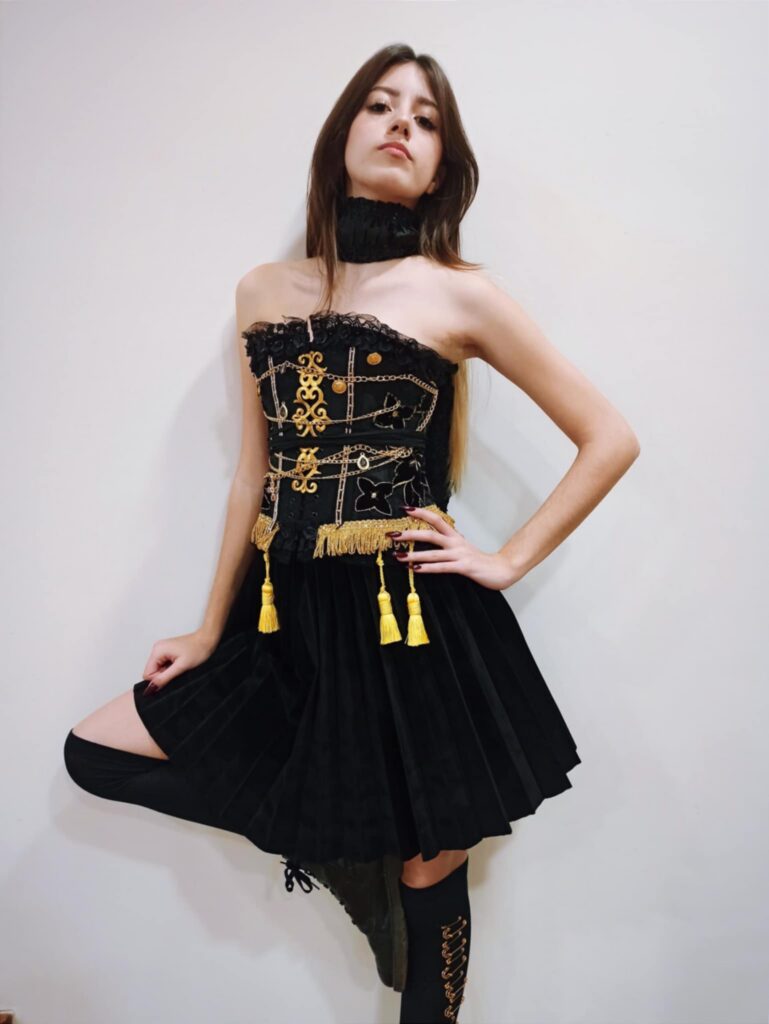
I would argue that it does something fundamentally different: AI does not remember tradition. It reconstructs patterns. This distinction is more than semantic. It raises profound questions about originality, cultural memory and the future of creative practice.
Memory is not simply the accumulation of visual information. It is a living relationship with history. It is embedded in rituals, communities, craftsmanship and embodied knowledge transmitted across generations. Traditional garments are not merely collections of motifs, they are material expressions of identity, geography, belief and social experience.
When a designer engages with tradition, the process is rarely one of reproduction. It is one of interpretation. The historical source is questioned, transformed and relocated within a contemporary cultural context. The resulting garment is neither a copy of the past nor a rejection of it. It becomes a dialogue between memory and the present.
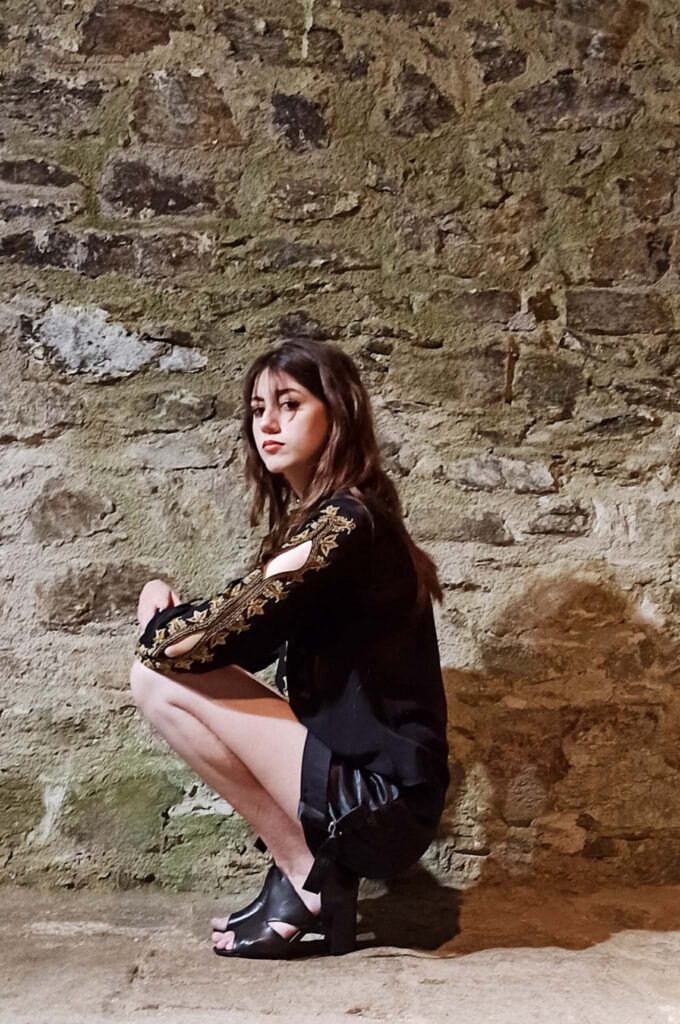
Artificial intelligence approaches this process differently. Large language and image generation models analyse immense datasets, identifying statistical relationships between forms, colours, structures and symbols. They generate outputs based on probability rather than experience. They recognise visual correlations but do not participate in the cultural practices from which those forms emerged.
This distinction matters: a Byzantine motif generated by AI may resemble its historical counterpart with remarkable accuracy. Yet, resemblance should not be confused with cultural continuity. The algorithm has not inherited the tradition, participated in its transmission or understood the historical circumstances that gave it meaning. It has identified patterns within data rather than memories within culture.
For designers working with cultural heritage, this presents both opportunities and responsibilities, as artificial intelligence can undoubtedly become an extraordinary research assistant. It can accelerate visual exploration, compare historical references and facilitate experimentation. However, it cannot replace the intellectual and ethical work required to interpret tradition responsibly.

The contemporary designer, therefore, assumes a role that extends beyond aesthetic production. Design becomes an act of cultural translation. The challenge is no longer simply to create something visually original, but to determine how historical memory can be transformed without becoming detached from the values and narratives that produced it.
This question is particularly significant within conceptual fashion. Garments are not only objects of consumption; they become arguments. They propose interpretations of identity, history and belonging. Every silhouette, material and reference participates in a broader cultural conversation.
As artificial intelligence increasingly democratizes image production, originality may no longer reside primarily in the novelty of forms. Instead, originality may emerge from the depth of interpretation. Two designers may employ identical technological tools and similar historical references while producing profoundly different outcomes because they bring different experiences, critical perspectives and cultural understanding to the creative process. In this sense, the future of fashion may depend less on teaching machines to imitate tradition than on encouraging designers to engage with it more critically.
The question is therefore not whether AI can generate traditional aesthetics.The more significant question is whether algorithms can participate in cultural memory.Memory is not stored exclusively in images. It is carried by people, embodied in practice and continuously reinterpreted through creative acts. So, as AI becomes increasingly capable of generating convincing visual artefacts, the designer’s role shifts from image-maker to interpreter. The future of originality may, therefore, depend less on technological sophistication than on our capacity to understand what deserves to be remembered—and why.
