
Who Gets to Decide What’s Fashion?
At every season, fashion gives us something new to want. A particular silhouette, a colour, a fabric, a way of styling the body suddenly appears everywhere — on runways, across social media, in magazines, in stores and eventually on the street. We tend to experience trends as if they simply happen. As if an aesthetic emerges, captures our attention and becomes popular because people collectively decide that they like it.
But fashion is rarely that spontaneous. Behind every trend lies a complex system of visibility, influence and desire. Some ideas are given space. Others remain largely unseen. Some designers become references while others struggle to enter the conversation. Certain aesthetics are presented as new, relevant or desirable, while others disappear before they have the opportunity to be recognised. Fashion, therefore, does more than reflect what society likes. It also participates in deciding what society learns to like.
Clothing as a social language
A garment is never simply a piece of fabric. What we wear, communicates. It can signal identity, cultural belonging, social position, rebellion, aspiration or even our relationship with particular communities and ideas.
The meaning of clothing is produced not only by the designer but also through the body that wears it and the society that looks at it. The same garment can therefore communicate entirely different things depending on who wears it, where it appears and how it is framed. This is why fashion cannot be reduced to aesthetics. It is also a system of symbols. And once fashion becomes a system of symbols, it inevitably becomes a system of selection: some meanings become visible, while others remain outside the dominant narrative.
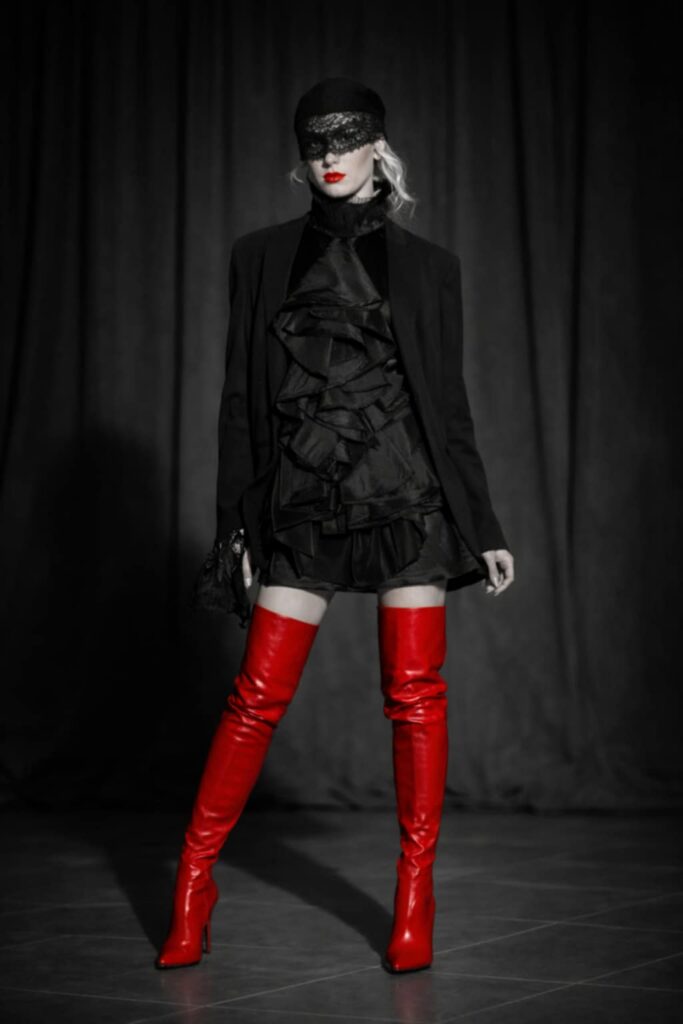
How difference becomes desirable
There is an important paradox at the heart of fashion. The industry constantly needs something new, yet the new often comes from places that exist outside the mainstream.
Subcultures, underground scenes, alternative communities and unconventional designers have historically provided fashion with some of its most influential ideas. What begins as a rejection of established aesthetics can eventually become the inspiration for an entirely new visual language.
But once that difference becomes desirable, something changes. The outsider aesthetic enters the system. It is photographed, styled, commercialised, reproduced and eventually distributed to a much larger audience. What once represented resistance can become a trend. What once challenged convention can become part of the new convention. To this end, fashion has an extraordinary ability to absorb what initially stands against it. Maybe this is one of the reasons it never stops reinventing itself.
The business of desire
Fashion does not simply sell clothes, it sells meanings. A garment can represent confidence, freedom, youth, status, individuality or belonging. Its material value may be relatively simple, but the symbolic value attached to it can be enormous. This is where desire becomes central. To this end, fashion continuously produces the feeling that there is something else to become, something else to wear, something else to discover.
Yesterday’s desirable aesthetic can quickly become outdated, while another is presented as the new expression of relevance. The constant movement between the old and the new keeps the system alive. Social media has intensified this process. Trends can now emerge, circulate and disappear at extraordinary speed, while algorithms continuously expose us to images that influence what we recognise as desirable. So, the result is not simply faster fashion. It is faster desire.
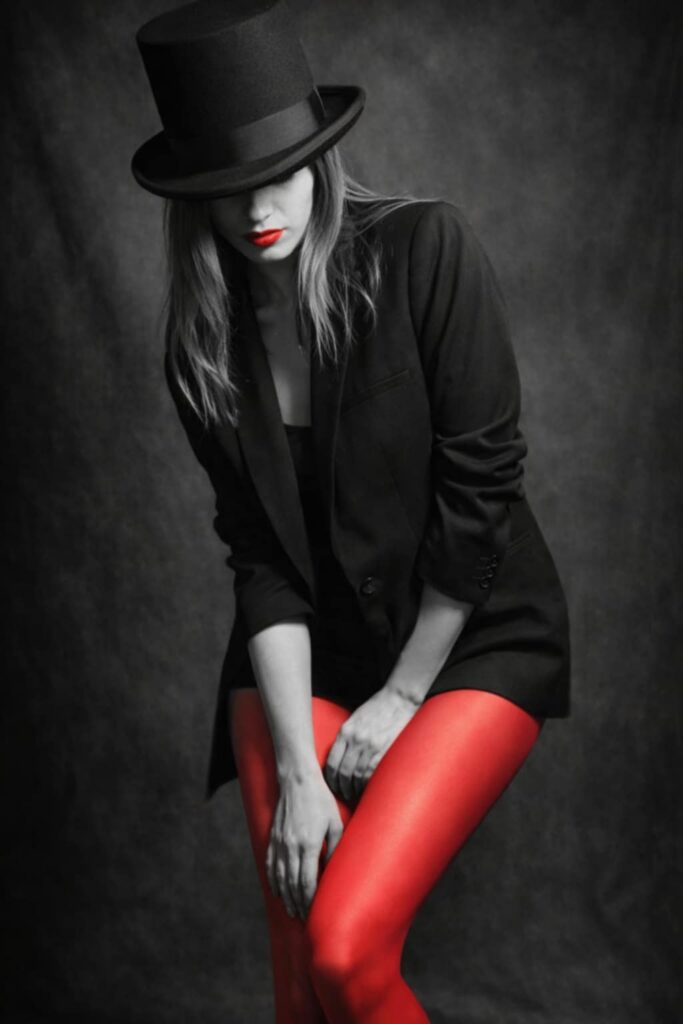
When rebellion becomes a trend
Maybe the most fascinating contradiction is what happens to fashion’s critics. A style created as an act of resistance can eventually become an aesthetic category. An underground symbol can become a luxury detail. A subcultural identity can become a marketing reference. The system does not always have to defeat its opposition. Sometimes, it simply absorbs it.
This does not necessarily make the original form of resistance meaningless. But it does reveal something important about fashion: its ability to transform contradiction into consumption. Rebellion itself can become fashionable.
So, who decides?
If we look at fashion only as an industry that produces and sells clothing, we miss much of what makes it powerful. Fashion is also a cultural system that produces meanings, hierarchies and desires. Designers create. But editors select. Stylists frame. Buyers legitimise. Media amplify. Platforms distribute. Consumers reproduce — or reject — what they encounter. No single actor completely controls the process.Yet, together, these mechanisms determine which ideas become visible enough to matter. Maybe this is why the most interesting question about the next trend is not what we are going to wear next but who decides what we should want?
Behind every trend there is more than a garment. There is a story about visibility, power, identity and desire. Once we begin to look at fashion through that lens, the runway starts to reveal something much larger than clothes: it begins to reveal how society itself decides what is worth seeing.
