
What We Wear, What We Reveal: Fashion as a Language of Society
Fashion is often discussed through images: collections, silhouettes, colours, fabrics and the seasonal vocabulary of trends. Yet, clothing communicates long before we begin to describe it. What we wear tells a story about the way we see ourselves — and about the society in which we live.
A garment can express belonging, individuality, status, rebellion or aspiration. It can connect us to a cultural heritage, signal our relationship with a particular community, or deliberately separate us from one. In this sense, fashion is not simply an aesthetic practice. It is a language, and like every language, it changes according to its social environment.
The body as a social statement
Clothing does not exist independently of the body. A garment acquires meaning when it is worn, seen and interpreted. The same piece can communicate something entirely different depending on the person wearing it, the context in which it appears and the cultural codes surrounding it. This is why fashion has always been closely connected to identity.
We do not dress in a social vacuum. A contrario, we make choices within a world filled with expectations about gender, age, class, beauty, professionalism and what is considered appropriate or desirable. Sometimes we follow those expectations, others we negotiate with them. And sometimes we deliberately challenge them. That tension is one of the reasons fashion remains such a powerful form of cultural expression.

Fashion reflects society — but it also shapes it
It is tempting to describe fashion as a mirror of society. But a mirror only reflects what is already there. Fashion does something more complicated: it can reinforce existing ideas, but it can also introduce new ones. Designers, subcultures and communities can challenge established notions of beauty, identity and normality by presenting different ways of inhabiting the body.
What initially appears strange can gradually become familiar.What was once considered inappropriate can become desirable. And what was once associated with a particular social group can eventually enter mainstream culture. Fashion, therefore, does not simply document social change. It can participate in producing it.
The politics of visibility
Not every aesthetic receives the same attention. Some designers, communities and cultural references are immediately recognised by the fashion system, while others remain largely invisible. Certain narratives become part of the international conversation; others struggle to find space within it. This makes visibility an important part of fashion. To be seen is not simply to appear, it is to be recognised, discussed, photographed, published, exhibited and remembered.
The question of who becomes visible in fashion is, therefore, also a question about whose identity, culture and creative language are considered worthy of attention. This becomes particularly significant in an increasingly global fashion landscape, where creative practices emerge far beyond the traditional centres of Paris, Milan, London and New York.
When difference becomes desirable
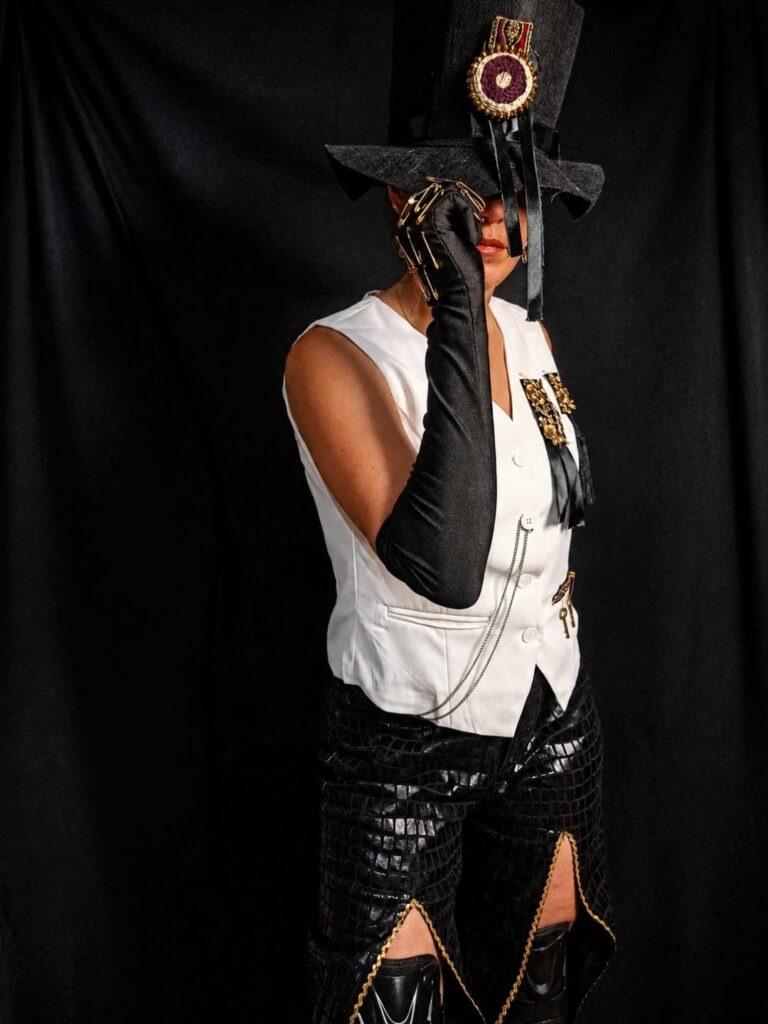
Fashion has another fascinating characteristic: it constantly searches for difference. Newness is essential to the system.Yet, many of the ideas that eventually become fashionable begin outside the mainstream. Subcultures, underground movements and marginalised aesthetics can introduce visual languages that challenge established conventions. Once those ideas attract attention, however, they can be absorbed by the industry. The outsider becomes an influence. The unconventional becomes an aesthetic.
The rebellious becomes a trend. This process is neither entirely positive nor entirely negative. It reveals the extraordinary ability of fashion to circulate ideas between the margins and the centre, while also raising questions about who benefits when cultural expressions are transformed into commodities.
Dressing the self
Maybe the most personal aspect of fashion is also the most universal. We use clothing to construct versions of ourselves. There is the self we feel we are, the self we want to become, and the self we want others to see.
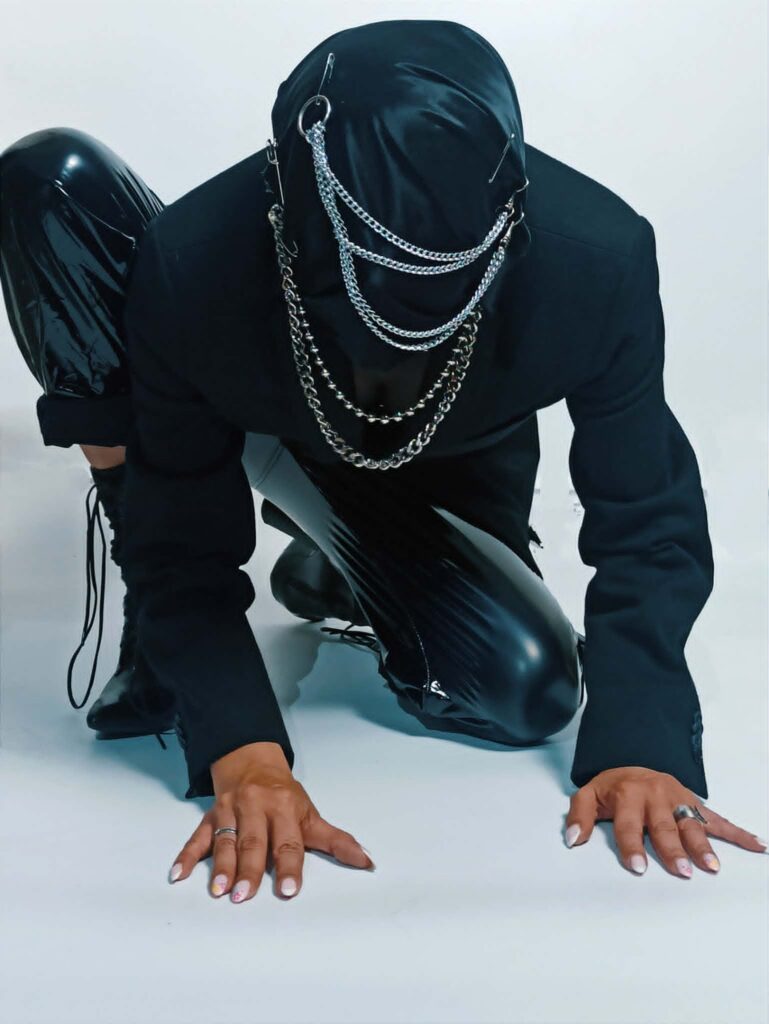
Fashion exists somewhere between all three. A suit can become a statement of authority. A dramatic silhouette can become an act of self-invention. A traditional garment can become a connection to heritage. A deliberately unconventional look can communicate refusal — a refusal to conform to expectations. In each case, clothing becomes part of the narrative of the person wearing it.
Beyond the surface
Fashion is often dismissed as superficial because it deals with appearance. But appearance is rarely superficial in social life. We judge, interpret and categorise through visual signals every day. Clothing participates in that process, consciously or unconsciously. This is precisely why fashion deserves to be examined beyond the runway. It tells us what a society values. It reveals what it considers beautiful, respectable, provocative or acceptable. It shows which identities are celebrated, which are questioned and which remain invisible. And sometimes, it reveals the contradictions between them.
Fashion may begin with fabric, but it does not end there. It touches identity, culture, power, desire and belonging. Perhaps this is why what we wear matters far more than the clothes themselves. Because when we dress, we are not simply choosing an outfit.
We are choosing — intentionally or otherwise — a way of appearing in the world.
