
The Invisible Architecture of Fashion
Fashion is often understood through its visible elements: garments, trends, styles and images. Yet beneath this surface operates a much more complex structure. Fashion is not simply something we wear; it is a social system through which meaning, desire and ideas of normality are continuously produced.
Clothing acquires meaning through its relationship with the body and with society. A garment can communicate identity, cultural values, social position or resistance. What we wear therefore becomes part of a wider process through which individuals present themselves and are interpreted by others.From this perspective, fashion does not merely reflect society. It participates in organising it.
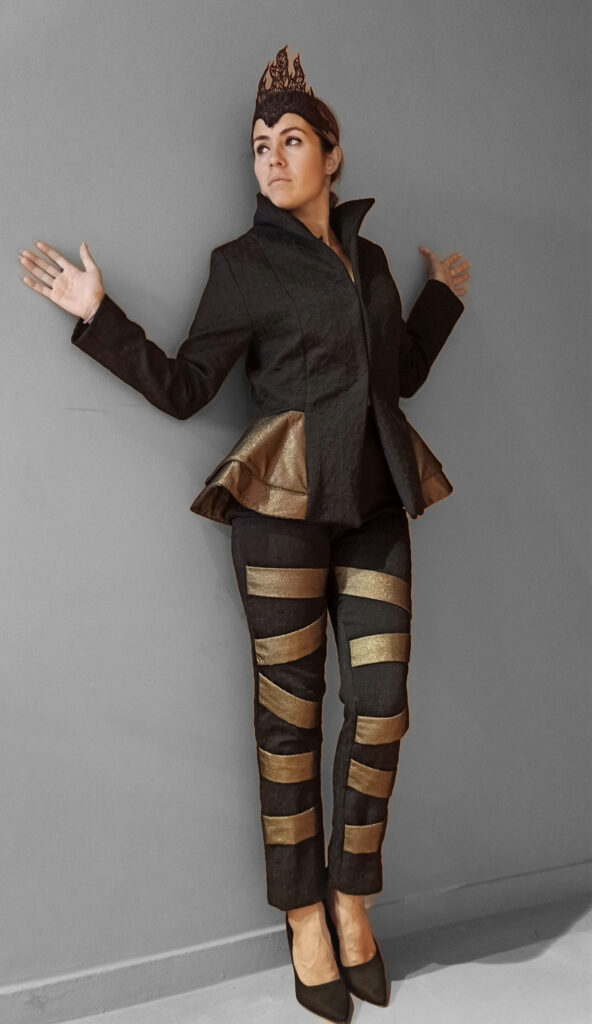
New trends do not emerge in isolation or solely from individual creativity. They circulate within a system that determines which ideas become visible, which remain marginal and which eventually become accepted as mainstream. What appears new is often the result of a process of selection, repetition and adaptation.This also explains fashion’s remarkable ability to absorb difference.
An unconventional aesthetic may initially challenge established norms. Once it becomes visible, however, it can be adopted, transformed and incorporated into the dominant fashion system. What was once considered unusual can become desirable; what was once an act of resistance can eventually become a trend. Fashion, therefore, constantly reproduces itself through difference.
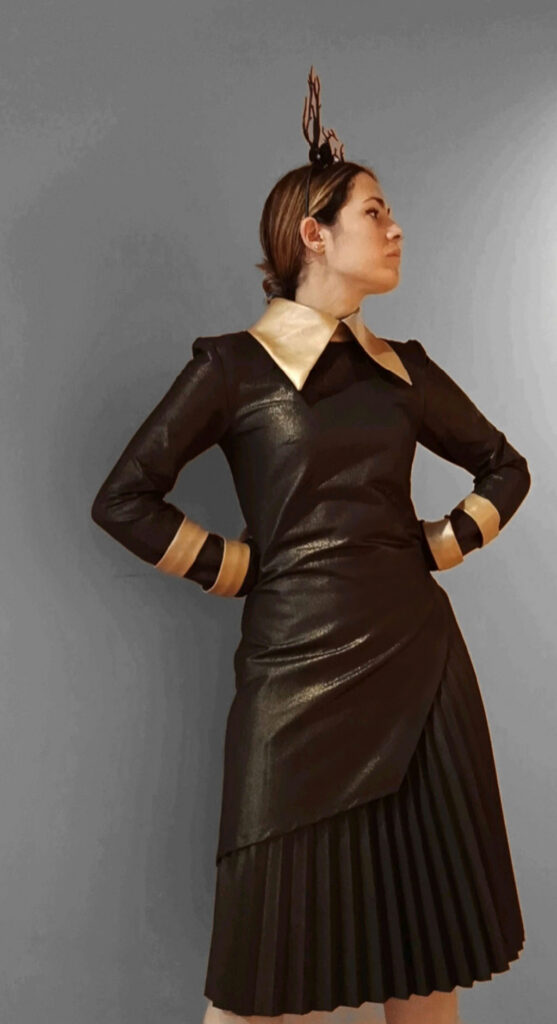
At the centre of this process lies desire. We do not simply choose clothing because of its practical function. Garments carry meanings: individuality, belonging, status, rebellion, aspiration. Fashion continually creates new objects of desire while simultaneously redefining what is considered current, relevant or acceptable.
Even criticism can become part of this mechanism. Alternative styles and forms of resistance may be incorporated into fashion rather than remaining outside it. In this way, the system renews itself without losing its recognisable structure.

The body is an active participant in this process. Through movement, styling, performance and everyday practice, clothing is repeatedly interpreted and transformed. Fashion therefore exists not only in garments themselves, but in the interaction between body, object, space and society. Seen this way, fashion is far more than an aesthetic phenomenon.
It is an invisible architecture of social organisation — a dynamic system that continuously negotiates difference and normality, produces desire and determines what becomes visible. Maybe the most revealing question is therefore not simply what is fashionable, but rather who — and what — determines what becomes fashionable?
