Συντάκτης: The RAW.F Editorial Team

WHEN SUSTAINABILITY STOPS BEING A TREND

What the 10th Global Sustainable Fashion Week Reveals About the Future of Fashion

There is a moment when a fashion movement stops asking to be noticed and begins asking to be taken seriously. This is exactly what happened in Budapest. The 10th anniversary of Global Sustainable Fashion Week did not arrive merely as another celebration of ethical fashion, another procession of recycled fabrics, or another runway dressed in the language of responsibility. Its significance lies elsewhere: in the fact that sustainability is increasingly refusing to remain an aesthetic category.

It is becoming infrastructure.

In this context, once sustainability becomes infrastructure, fashion has to change the way it thinks. Held in Budapest in September 2026, the 10th GSFW brought together designers, academics, researchers, industry professionals and international delegates from more than 32 countries, combining an eco-fashion runway with a symposium addressing circularity, lifecycle assessment, technology, regulation, education, supply chains and intellectual property. That combination matters substantially, as the most interesting question that sustainable fashion can ask today, is no longer how we can we make a sustainable collection. Rather, it is what kind of fashion system would  sustainability make  impossible to ignore.
THE END OF SUSTAINABILITY AS DECOR

For years, sustainable fashion has existed in a strange contradiction. It has been celebrated visually, while remaining structurally marginal. Natural fabrics, upcycling, vintage garments, deadstock, handcraft, plant dyes, recycled materials. All important. None sufficient.

The environmental problem of fashion does not begin and end with the garment.

The European Commission now approaches textiles through their entire lifecycle, from production and consumption to durability, repairability, recyclability, waste, microplastics and producer responsibility. Its Sustainable and Circular Textiles Strategy explicitly aims to move the industry away from disposable consumption and towards products that last, can be repaired and can re-enter circular systems.

UNEP makes the same structural argument from a global perspective: transforming textiles requires simultaneous changes in consumption patterns, industry practices and infrastructure. No single designer can solve a systemic problem alone. This is where the 10th GSFW becomes interesting. Its programme did not isolate sustainability inside the runway. It placed it beside policy, science, education, technology, economics. And that is a very different vocabulary.
FROM THE GARMENT TO THE SYSTEM

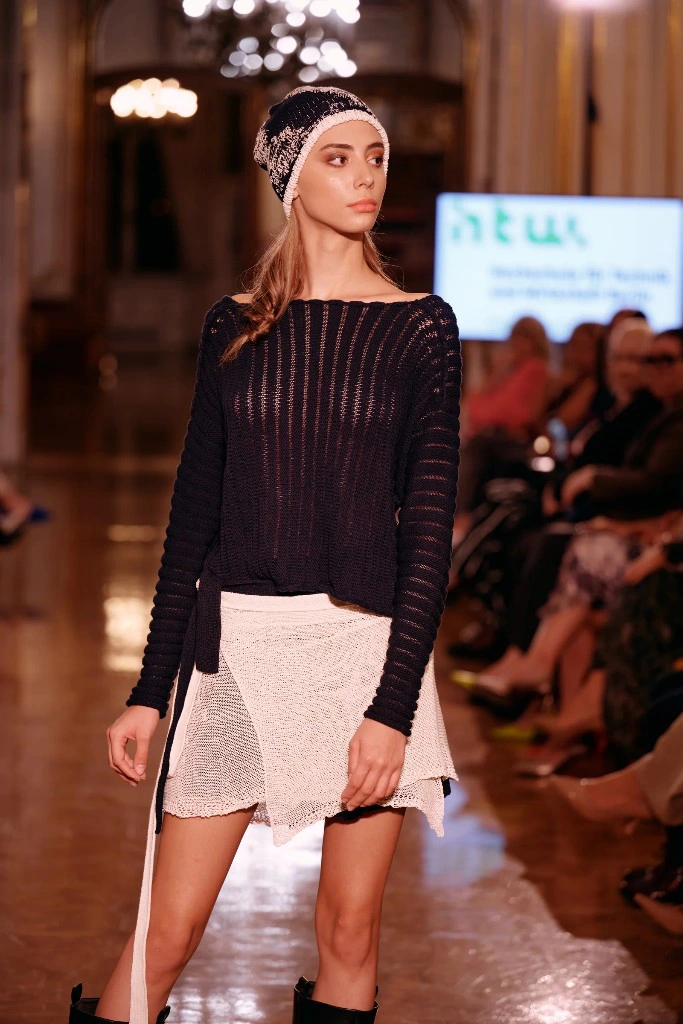
Inside Budapest City Hall, the discussion moved into territories that fashion traditionally leaves backstage: lifecycle assessment, supply-chain transparency, green claims, blockchain, circular business models, textile waste, industrial innovation and the emerging European regulatory landscape.

This actually becomes more radical than a simple runway. Why? Because the future of sustainable fashion will not be decided only by what a designer chooses to put on a model.

It will be decided by what happens before the garment exists and after the garment is no longer wanted: Who made it? From what? Under what conditions? Can its materials be separated? Can its history be traced? Can it be repaired? Can it be reused? Can its environmental claims be demonstrated rather than narrated? And, increasingly, can its journey through the system be documented digitally?

The GSFW’s focus on the European Union’s emerging Digital Product Passport, alongside supply-chain cybersecurity and intellectual property protection, is therefore not an accidental addition to a fashion programme. It reflects a larger transformation in which the garment itself is becoming a carrier of information, accountability and traceability. Fashion is beginning to acquire a memory: one of the most profound consequences of circularity.
THE NEW LUXURY IS NOT LESS BEAUTIFUL

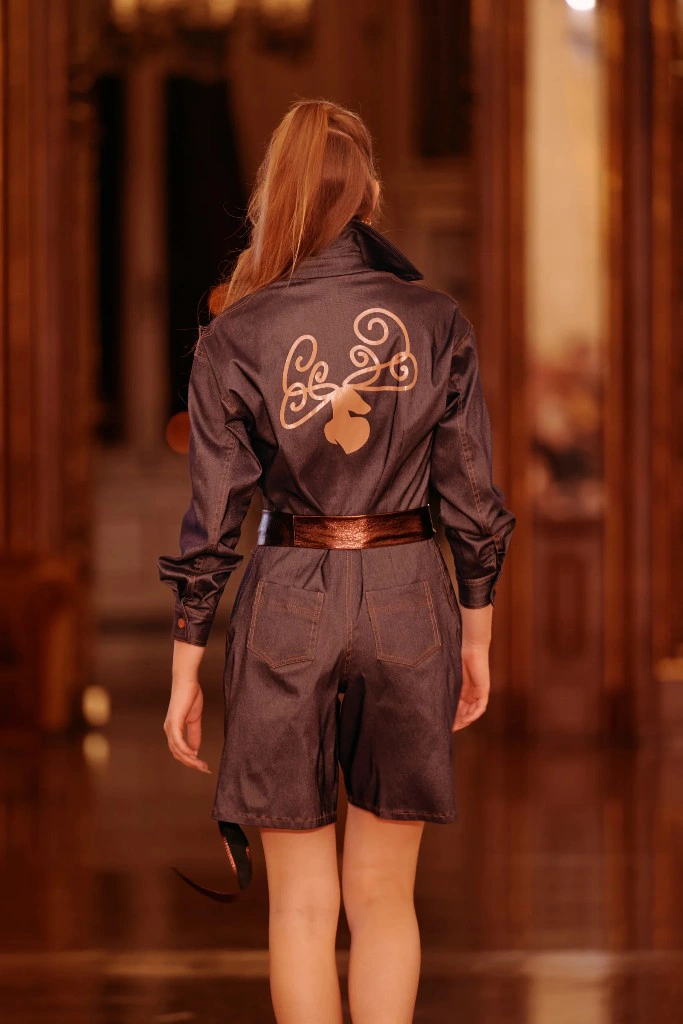
There is another misconception that sustainable fashion still has to overcome: that responsibility necessarily means aesthetic sacrifice. The 10th GSFW challenged that assumption through its runway language. Inside the historic Wenckheim Palace, sustainability appeared through zero-waste couture, transformable garments, multifunctional design, 3D printing, upcycling, heritage lace and contemporary reinterpretations of traditional craft.

This is important because luxury has always been about more than material excess.

Luxury is time. Luxury is rarity. Luxury is craftsmanship. Luxury is memory.

Luxury is the feeling that something deserves to remain. Seen through that lens, circularity is not necessarily the enemy of luxury, but a forgotten ally. A garment designed to be worn in multiple ways proposes a different relationship with desire.

A piece made from inherited lace carries memory rather than simply consuming material. A zero-waste couture construction asks the designer to treat every fragment as consequential. And a material that can be traced, repaired, disassembled or re-entered into another life becomes valuable precisely because its existence does not end with the first owner.
THE GLOBAL VALUE OF A LOCAL STAGE

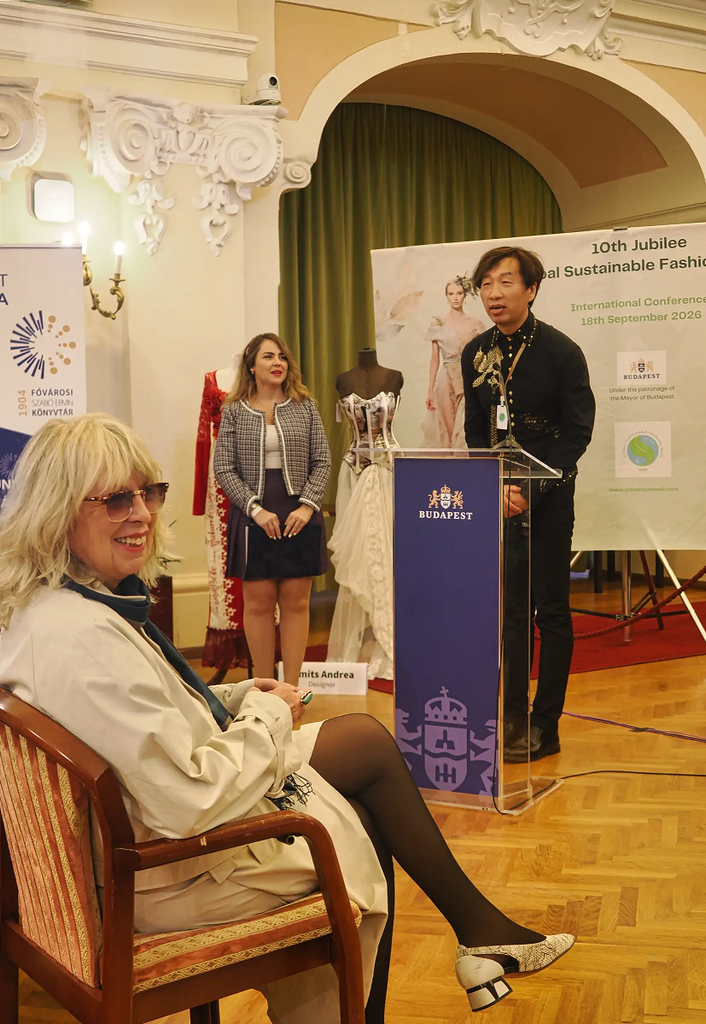
There is also something significant about Budapest. Sustainable fashion is often narrated through the dominant fashion capitals, as though innovation must pass through Paris, Milan, London or New York before it becomes globally legible.

GSFW offers another geography.

Its own history began in Budapest in 2015, when the National Fashion League Hungary Association established an Eco Team to encourage collaboration around a more sustainable fashion industry. It subsequently developed into an international platform combining fashion, research, education and dialogue.

That evolution matters. Sustainability does not belong to one capital. It is inherently transnational because the textile value chain itself is transnational. A fibre may originate in one country, be spun in another, manufactured in another, sold on another continent and discarded somewhere entirely different. The environmental consequences do not respect fashion’s geography. This is why an international gathering of designers, academics, researchers, policymakers and industry professionals has value beyond the event itself: it creates a temporary geography in which different fragments of the fashion system can see one another.
THE RUNWAY AS ARGUMENT

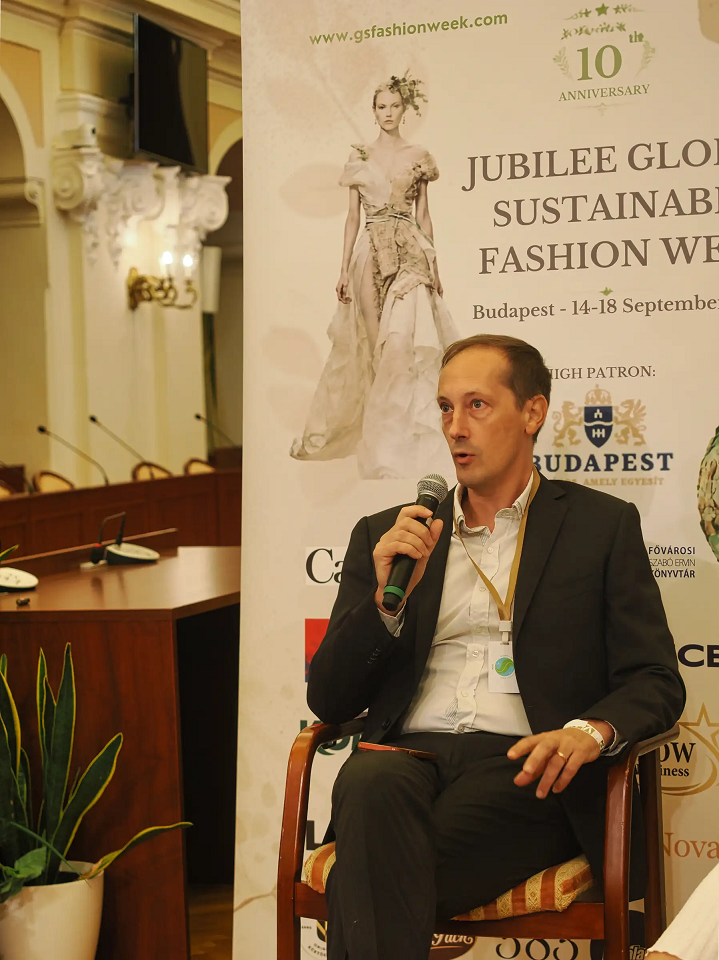
The runway matters. Not because fashion needs another spectacle, but because clothing can make abstract ideas visible. A policy document can speak about circularity. A lifecycle assessment can quantify impact. A regulation can impose responsibility. But a garment can demonstrate an alternative relationship with material in a single image.

At GSFW, the runway became a kind of visual laboratory. Transformability proposed longevity. Upcycling proposed memory. Zero-waste construction proposed precision.

Digital fabrication proposed technological possibility. Traditional craft proposed continuity. And together they suggested that sustainability does not require fashion to abandon desire. So, to this end, the question now is not whether fashion can become sustainable.The more difficult question is whether fashion is prepared to redefine what it means to create value in the first place.

That is where the next decade begins.
REMEMBER THE NAME: SONALI DWIVEDI

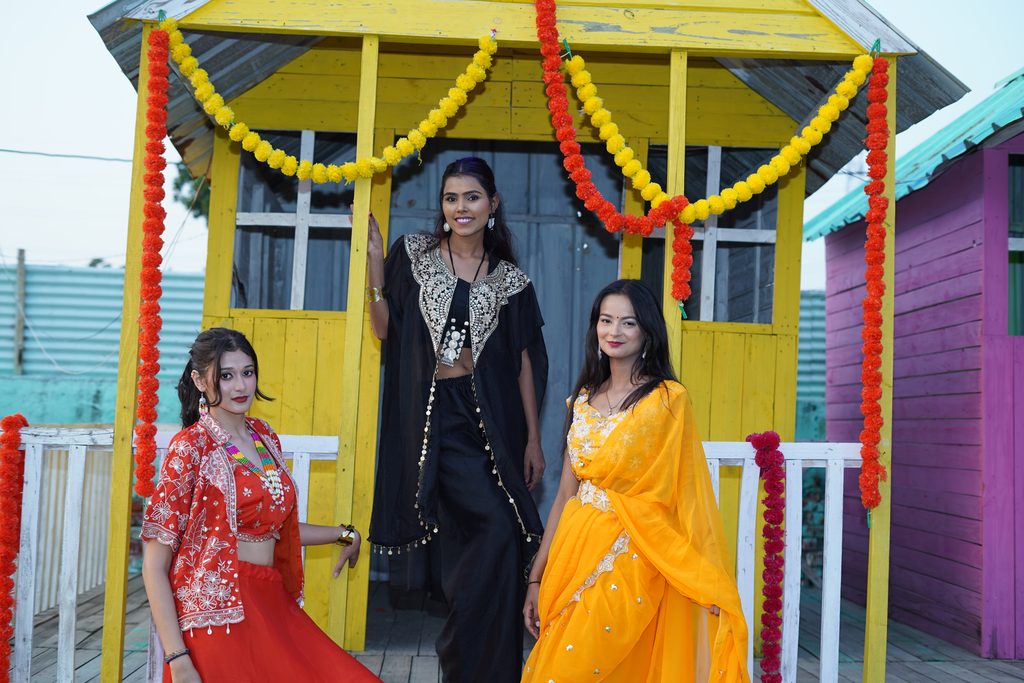
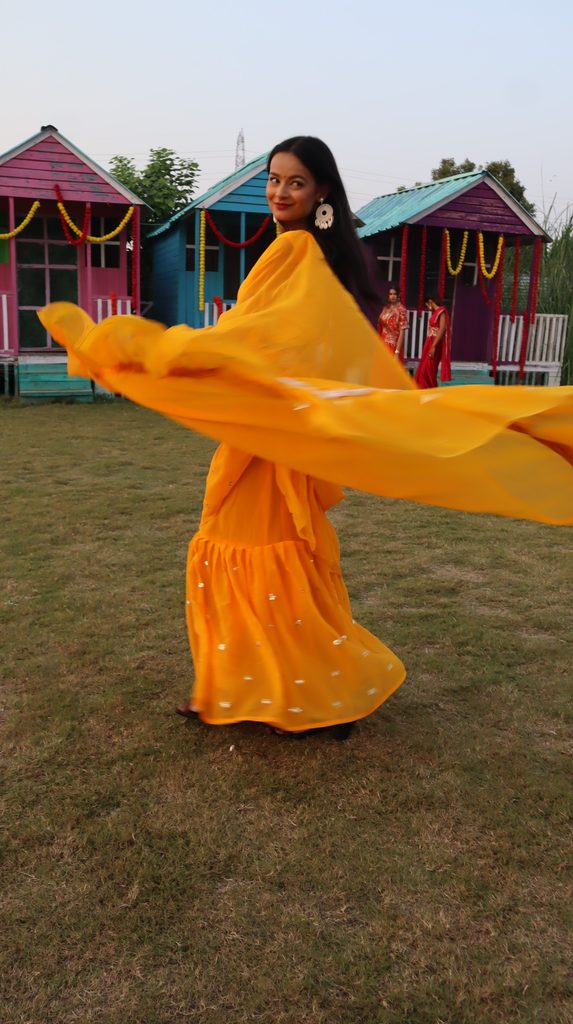
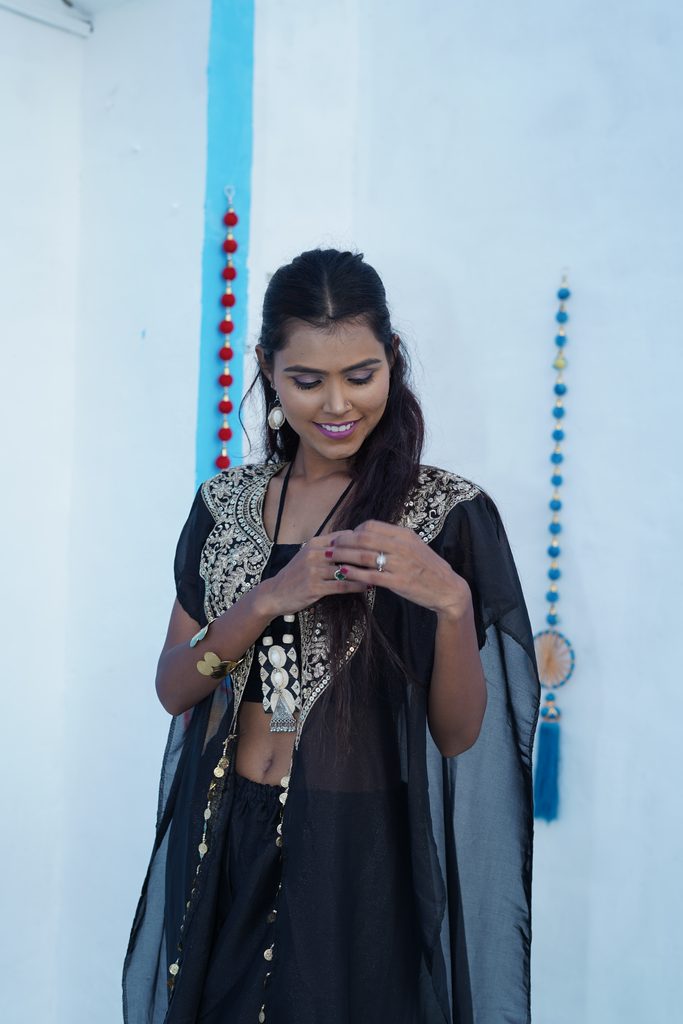
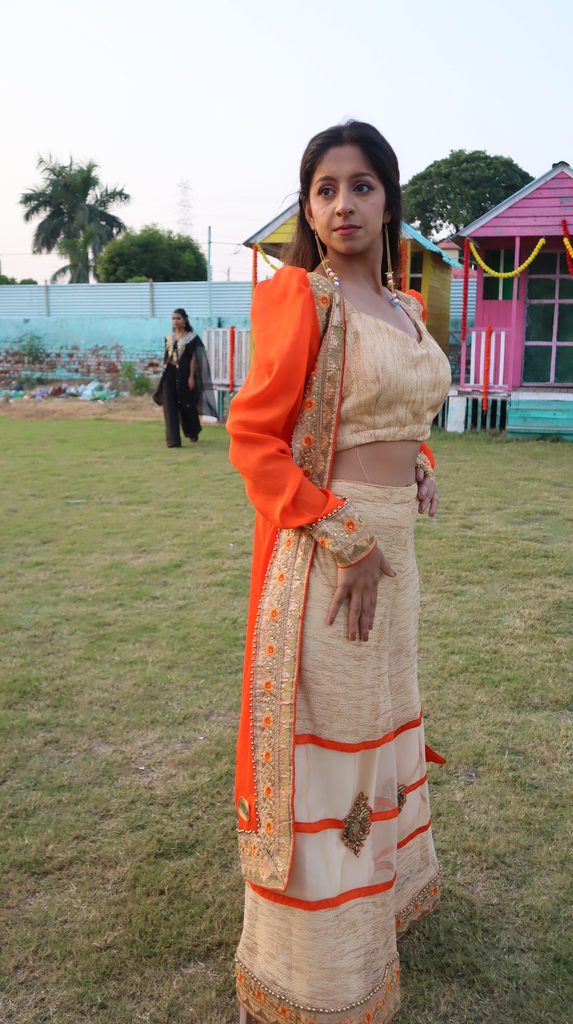
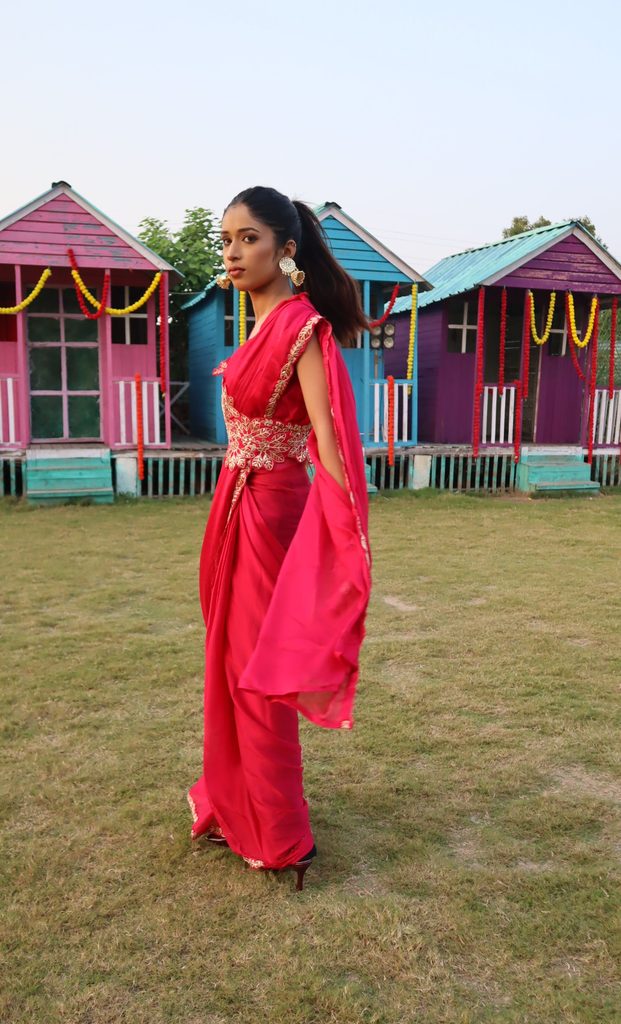
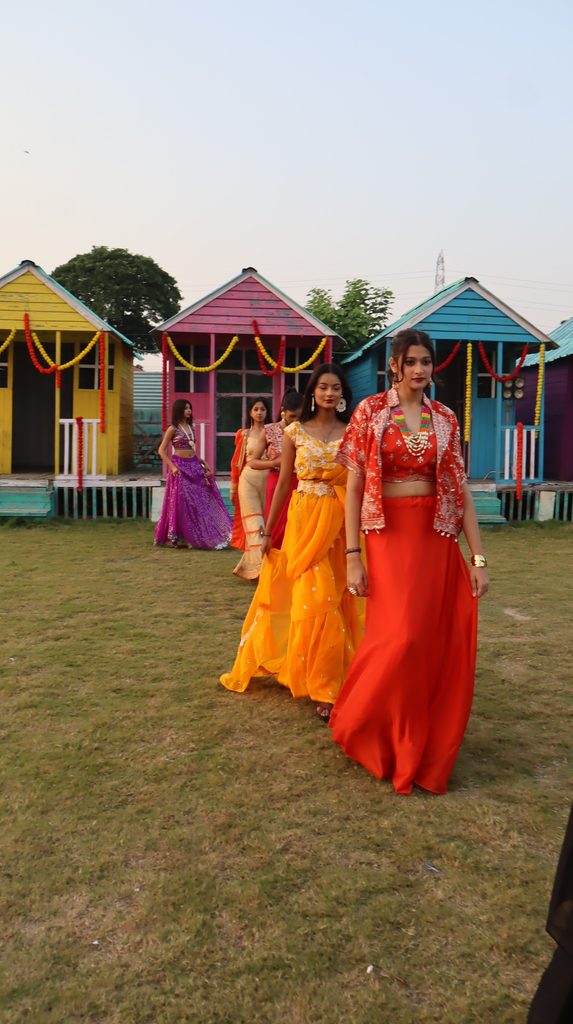
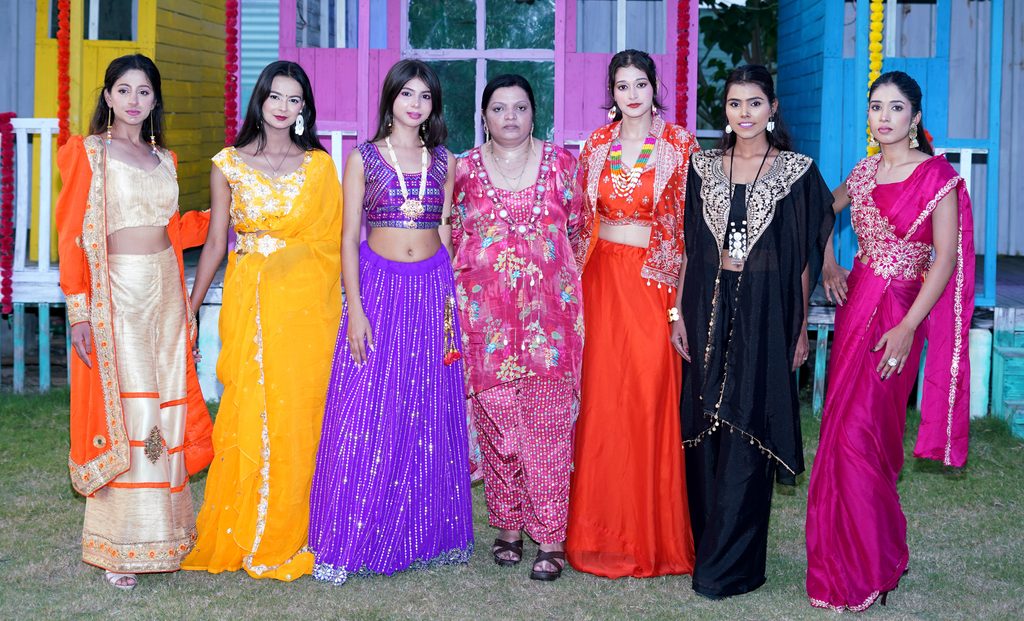
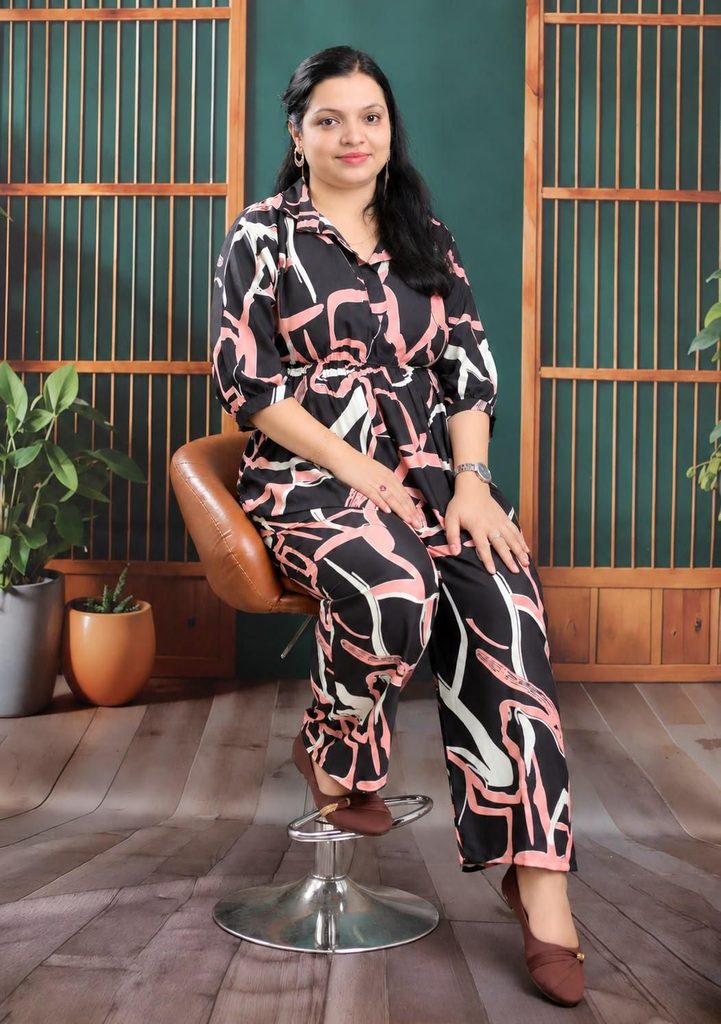
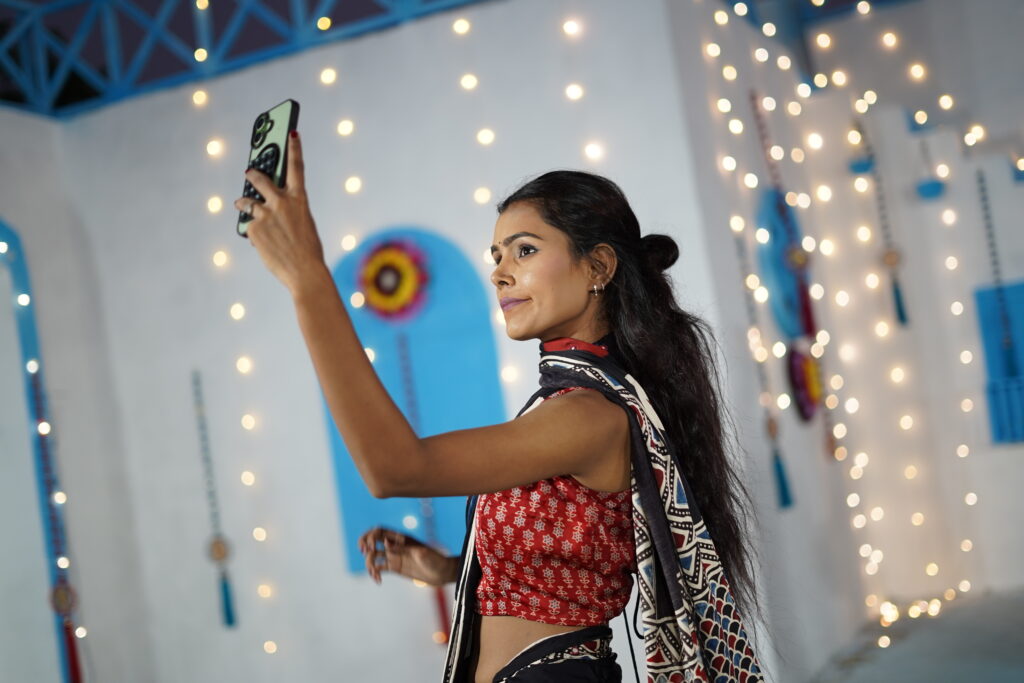
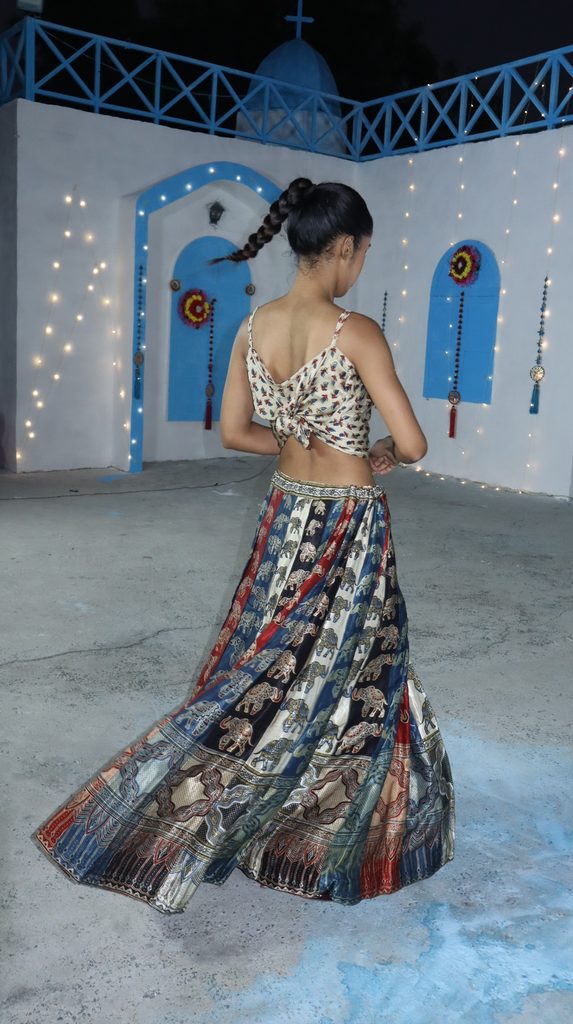
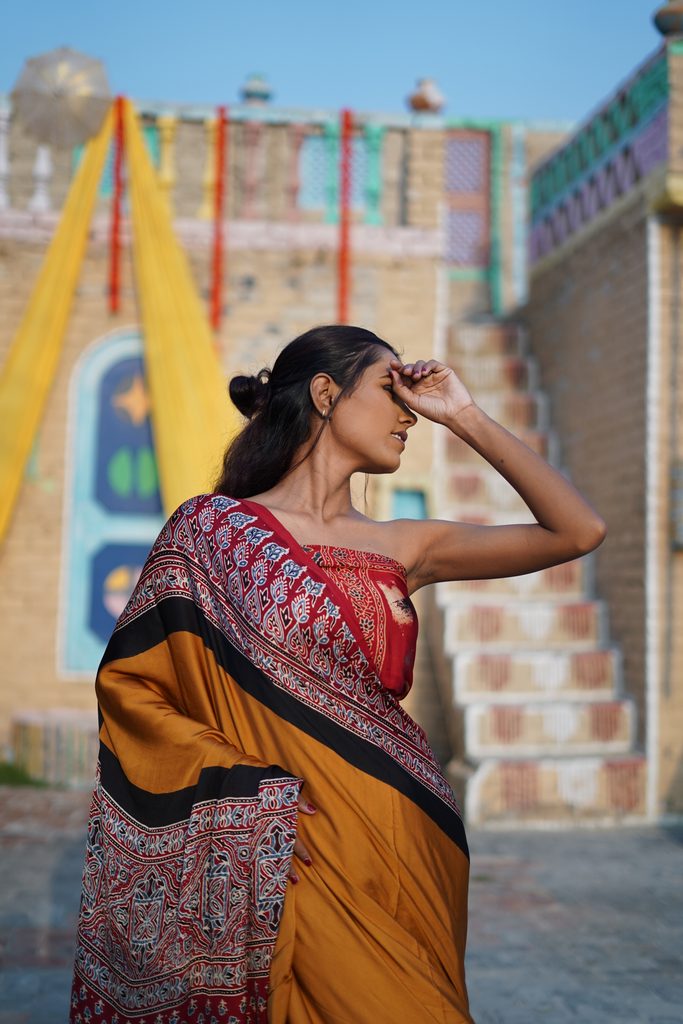
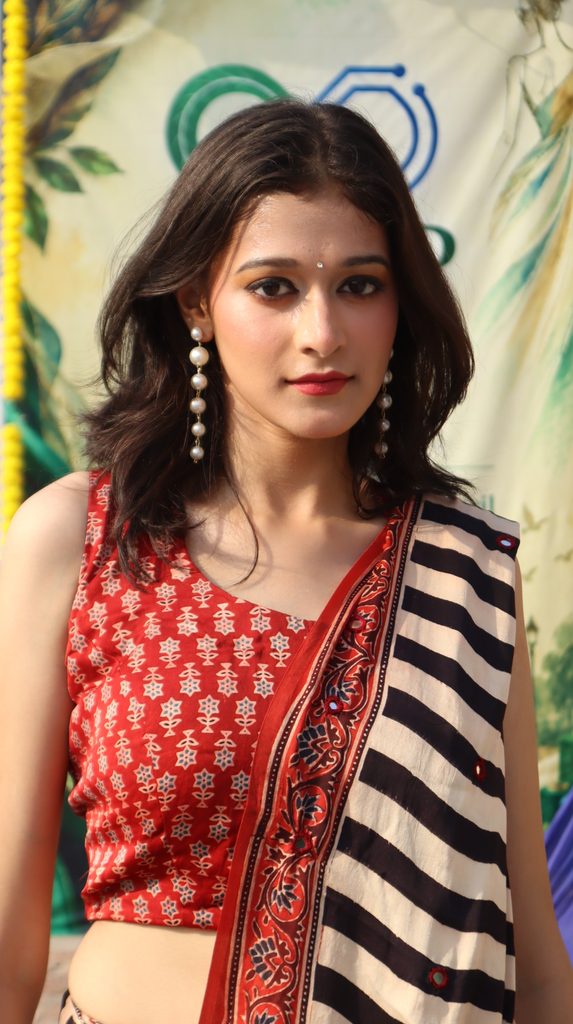
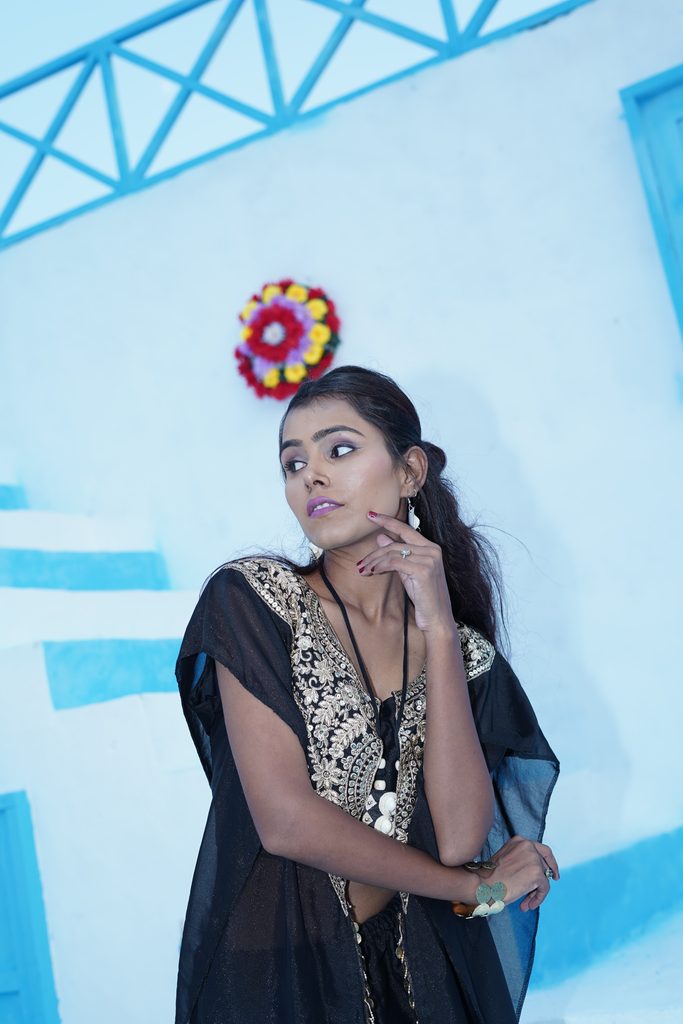
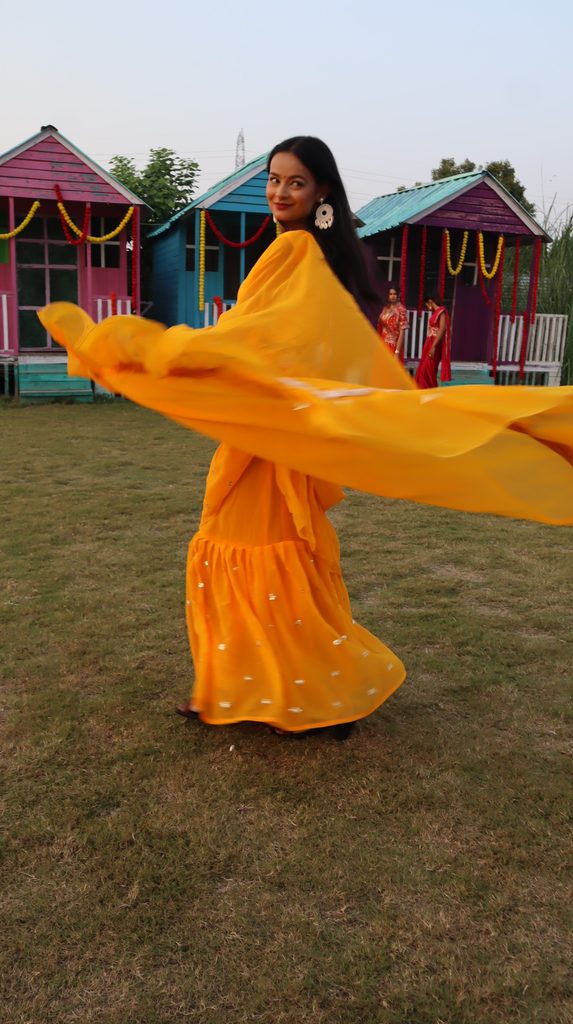
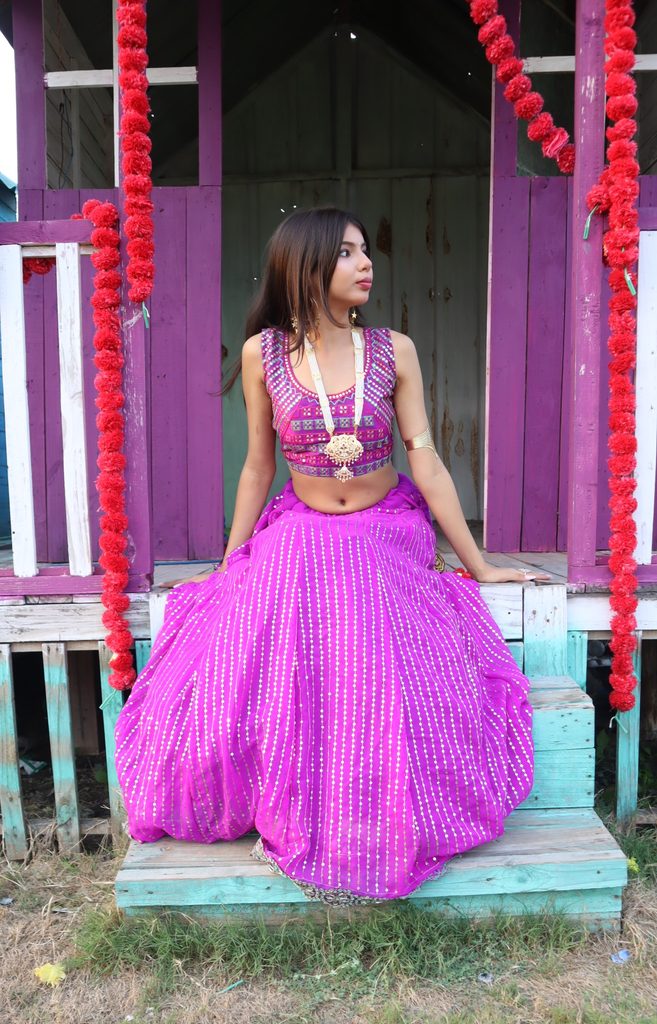
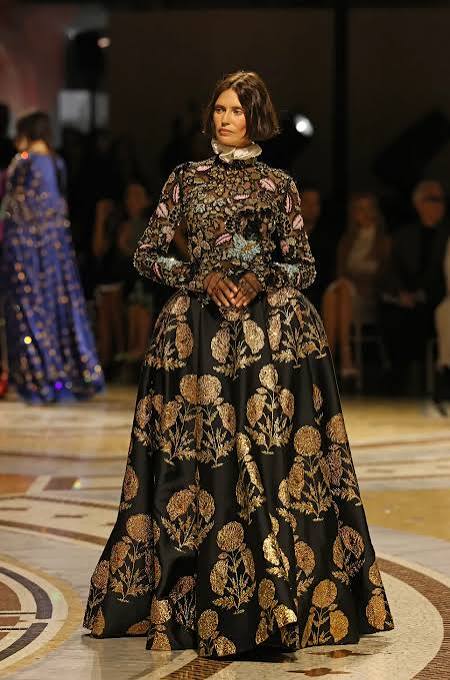
Indian heritage, vivid colour and contemporary expression meet in the work of Sonali Dwivedi, founder of Khwaahish Ek Chahat. Presented at Loop Fashion Week 2026 in New Delhi, Dwivedi’s collection explores the enduring language of Indian ethnic fashion through colour, ornamentation, silhouette and cultural memory.

There is an immediate sense of celebration in the collection. Rich colour, intricate embellishment and traditional references come together in garments that feel deeply connected to Indian visual culture, while their presentation places them within a contemporary fashion environment. For Dwivedi, ethnic fashion becomes more than a category of dress. It becomes a way of carrying identity and tradition into the present.

Her approach is particularly compelling in the way it allows familiar cultural codes to remain expressive rather than simply nostalgic. The garments draw from the richness of Indian fashion while embracing the visual energy of a contemporary runway. At Loop Fashion Week, this relationship between heritage and the present became part of a wider conversation around craftsmanship, cultural identity and the future of fashion.With Khwaahish Ek Chahat, Sonali Dwivedi presents Indian ethnic fashion as a living language — one capable of evolving while retaining its emotional and cultural roots.

Photography: Courtesy of Loop Fashion Week 2026 @loopfashionweek

Follow Sonali at @khwaahish.ek.chaahat.store

LOOP FASHION WEEK 2026

FOUR DESIGNERS, ONE CONVERSATION BETWEEN HERITAGE AND CONTEMPORARY FASHION

New Delhi, India — September 2026

Loop Fashion Week 2026 approached the runway from a different direction. Held in New Delhi from 19–21 September, the event placed fashion in dialogue with heritage, craftsmanship, sustainability, nature and visual storytelling, presenting an outdoor runway experience built around the idea “Where Future Meets Fabric.”

Rather than treating heritage as something fixed in the past, the event brought traditional textile practices and cultural references into a contemporary fashion environment. Among the designers and artisan voices presented during the New Delhi edition, Irfan Abdullah, Khalid Amin Khatri, Sujata Kalra of Rebe & Tulip, and Sonali of Khwaahish Ek Chahat offered four different perspectives on the relationship between tradition and contemporary fashion.

When Heritage Becomes Fashion

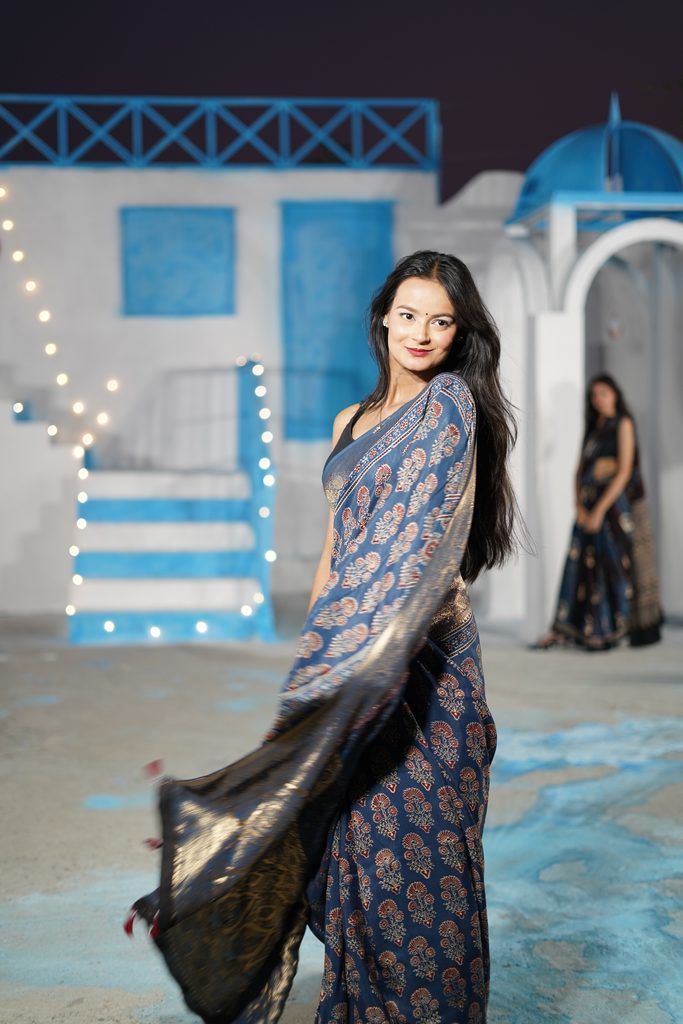
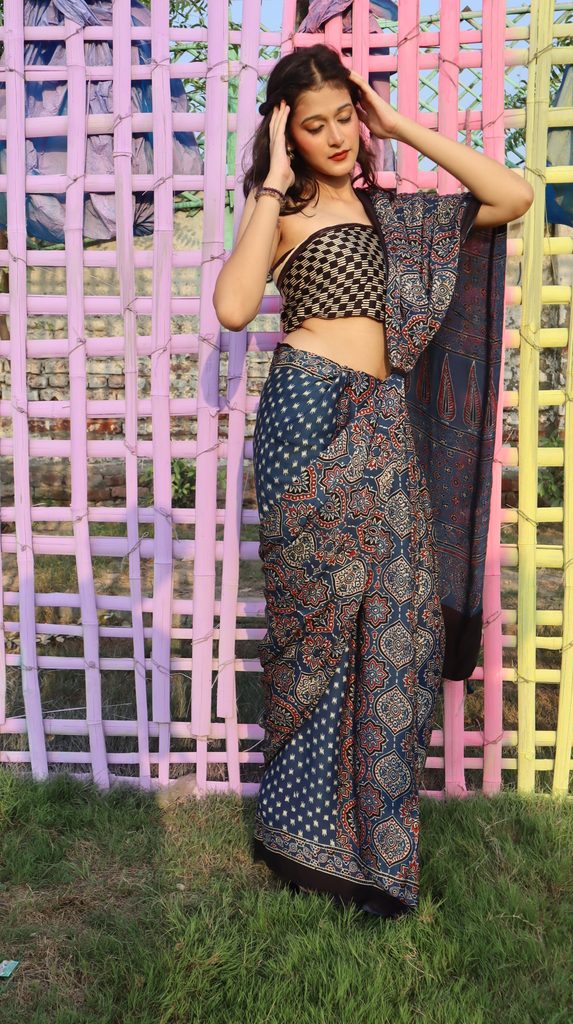
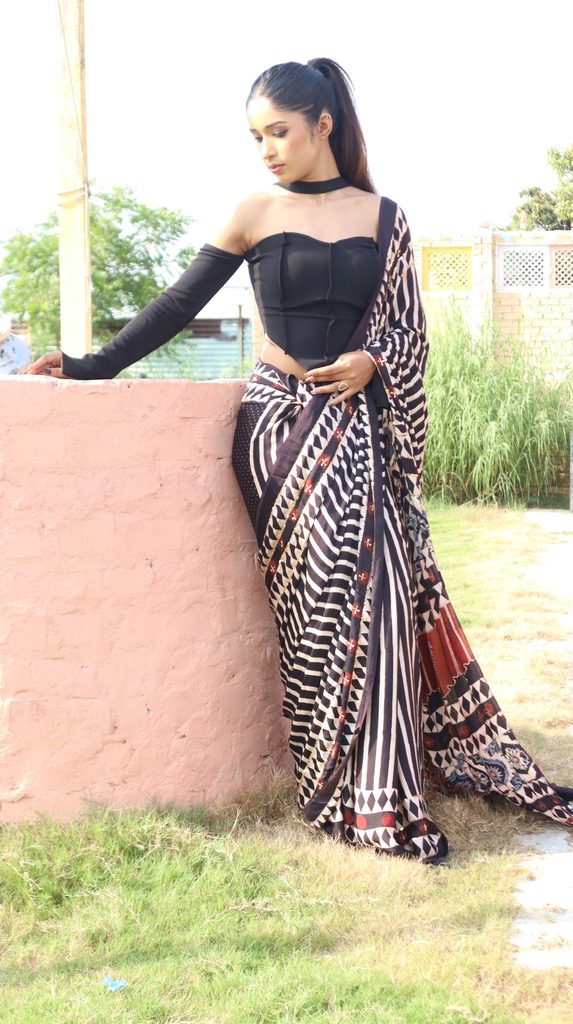
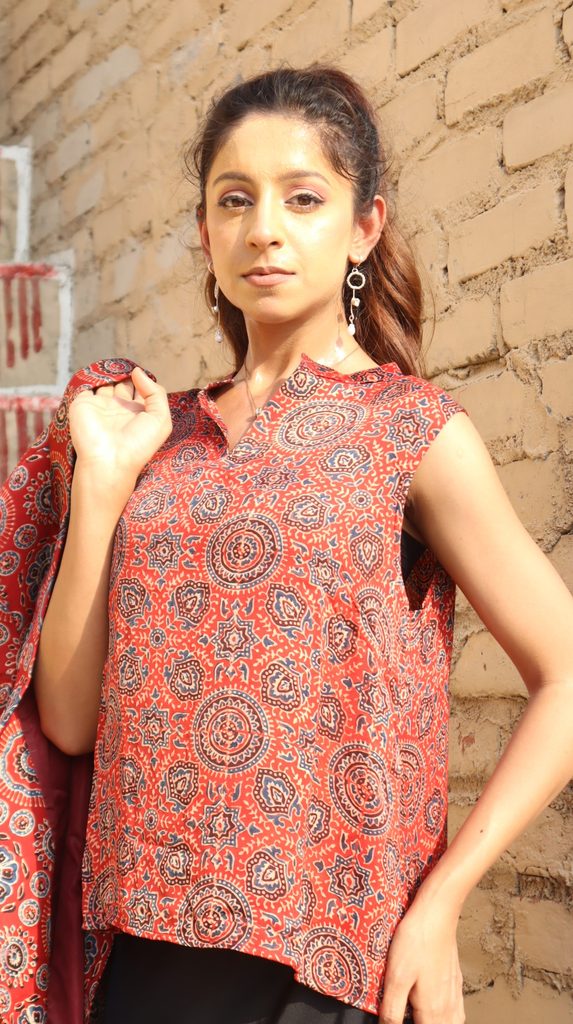
One of the most compelling aspects of the New Delhi edition was its attention to Indian textile and craft heritage. This was particularly visible through the presence of Ajrakh, the traditional hand-block printing practice associated with the textile heritage of western India. Known for its geometric structures, repeated motifs and complex printing process, Ajrakh carries a vocabulary that has continued to evolve through generations of artisans. For Loop Fashion Week, that heritage was not presented simply as archival material. It became part of a contemporary fashion conversation.

Irfan Abdullah approached this dialogue through a collection inspired by the Indus Valley civilisation and Ajrakh textile traditions, accompanied by a Sindhu Ghati-inspired runway environment conceived to reinforce the historical narrative of the work.  The result placed textile, environment and storytelling within the same visual framework.

Khalid Amin Khatri: A Living Craft Tradition

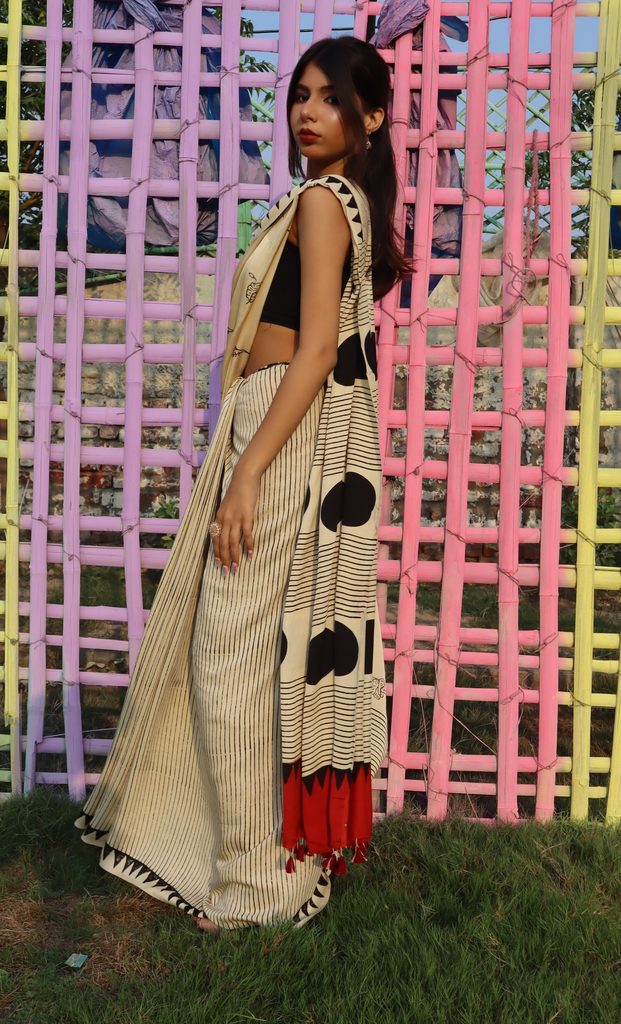
For Khalid Amin Khatri, Ajrakh carries an even more personal dimension. His practice is rooted in a family tradition of craftsmanship that, according to the event materials, extends across approximately four centuries. At Loop Fashion Week, this inherited knowledge entered a contemporary runway context through his collection Jangal.  What makes this particularly relevant to the current fashion conversation is the question of continuity.

A traditional craft survives not simply because it is preserved, but because it continues to be practiced, interpreted and given space within changing cultural contexts. Khatri’s work therefore places the artisan at the centre of the fashion narrative. The textile is not merely a surface applied to a contemporary garment. It carries the evidence of time, process and accumulated knowledge. His work also exists within a wider contemporary interest in the evolution of Ajrakh as an artistic and fashion language, demonstrating how a traditional craft can move beyond its conventional boundaries while retaining its connection to its origins.

Sujata Kalra: Craft as Conversation

The relationship between craftsmanship and contemporary fashion was also explored through Sujata Kalra, founder of Rebe & Tulip. Kalra’s work extends beyond the presentation of garments. Her involvement with Loop Fashion Week also includes The Loop Forum × Haath Ki Baat — Karigar Ke Saath, a conversation focused on artisans, craftsmanship and the stories behind Indian fashion.

That context is significant. It shifts attention from the finished garment towards the people and knowledge systems behind it. In an industry increasingly concerned with questions of sustainability and transparency, the visibility of the maker becomes part of the fashion story itself. The collection and the accompanying conversation therefore reflect a broader movement within contemporary fashion: reconsidering craft not as a nostalgic category, but as an active form of cultural and creative knowledge.

Sonali: Indian Ethnic Fashion in a Contemporary Setting

A different interpretation of heritage appeared through Sonali, founder of Khwaahish Ek Chahat. Her collection explored Indian ethnic fashion through traditional aesthetic references, silhouettes and cultural expression, placing them within the contemporary environment of a fashion week. Here, heritage operates less through a specific textile technique and more through identity.

Indian ethnic fashion has always existed through an evolving relationship between tradition and changing social contexts. Bringing these codes onto a contemporary runway allows them to be reconsidered rather than simply reproduced. For Khwaahish Ek Chahat, the runway became a space where familiar cultural references could be viewed through a contemporary fashion lens.
Beyond the Conventional Runway

This approach is central to the identity Loop Fashion Week is developing. The event describes itself as India’s first outdoor runway experience, with its 2026 edition bringing sustainable fashion into an environment shaped by nature, art, culture and storytelling.

The outdoor setting is more than a change of location. It forms part of the event’s attempt to reconsider what a fashion presentation can be. Instead of separating the garment from its surroundings, Loop places fashion within an environment where nature, daylight, craft and narrative become part of the presentation. That creates a different relationship between the collection and its audience.

Four Designers, Four Ways of Carrying Heritage Forward

The four designers presented at Loop Fashion Week do not tell exactly the same story. And that is precisely what makes the conversation interesting. Irfan Abdullah connects contemporary fashion with an ancient civilisational and textile narrative. Khalid Amin Khatri brings inherited artisan knowledge into a contemporary fashion context. Sujata Kalra places the craftsperson and the story behind craftsmanship within the wider fashion conversation, whereas Sonali explores Indian ethnic identity through contemporary runway presentation.

Together, they demonstrate that heritage in fashion does not have a single form. It can exist in a textile, a technique, a silhouette, a family tradition, a cultural memory or the identity carried by a garment.

Where Future Meets Fabric

The phrase “Where Future Meets Fabric” becomes particularly relevant in this context. The future of fashion does not necessarily require abandoning what came before it. Sometimes, it begins by looking more closely at what has already survived. The work presented at Loop Fashion Week 2026 suggests another way of thinking about contemporary fashion: not only through newness, technology or changing aesthetics, but through the crafts, people and cultural knowledge that continue to give clothing meaning.

In New Delhi, heritage was not treated simply as a memory. It was placed on the runway,  and allowed to speak in the present.

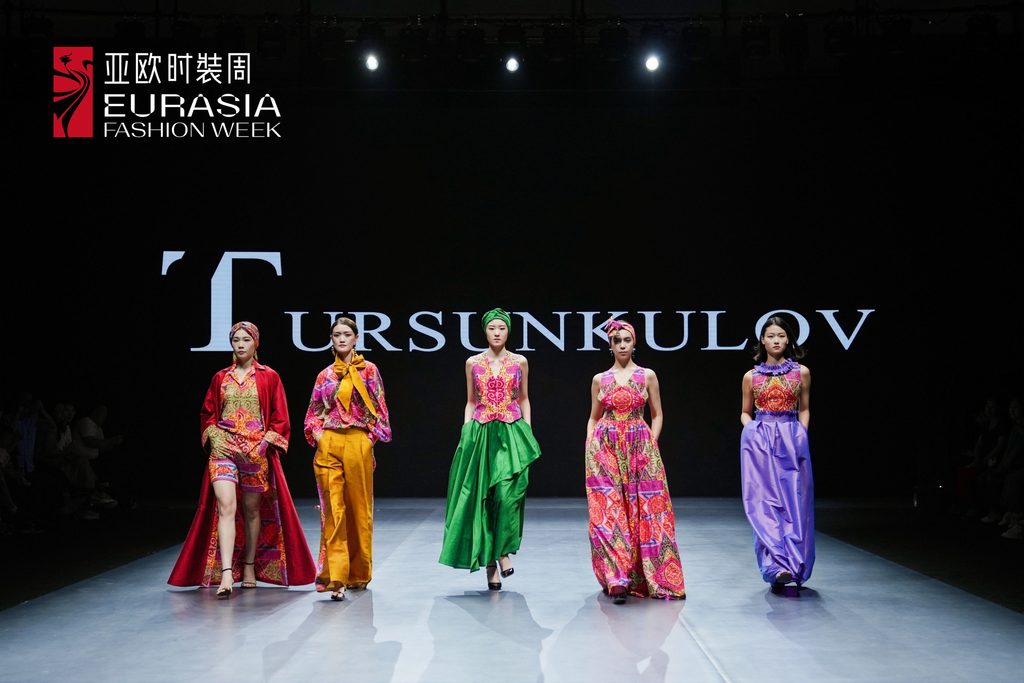
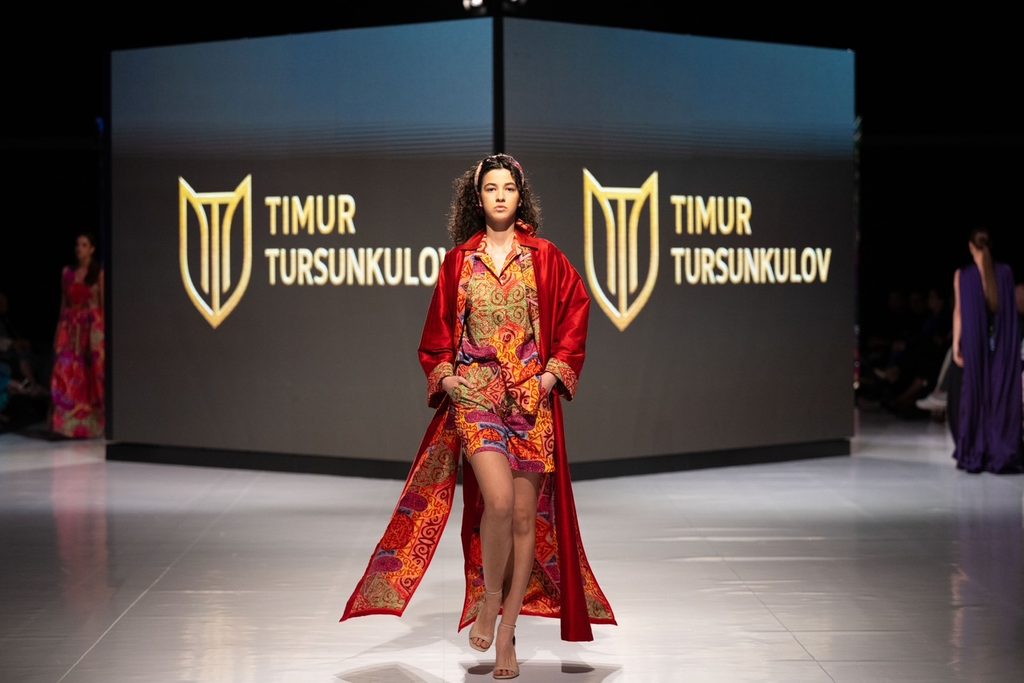
REMEMBER THE NAME: TIMUR TURSUNKULOV

HERITAGE, RECONSTRUCTED

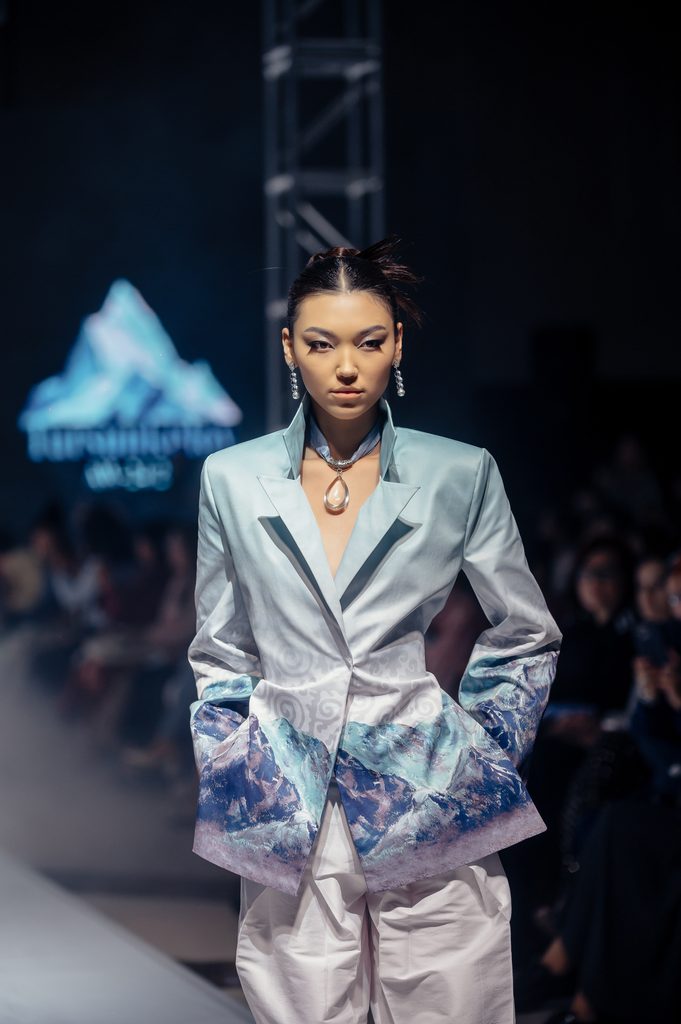
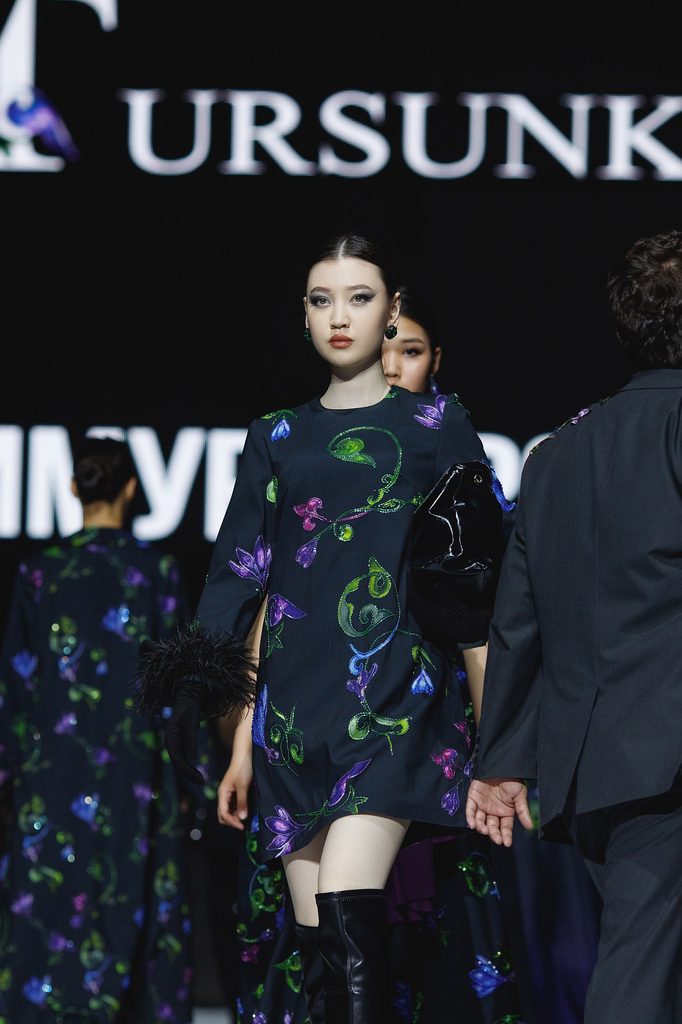
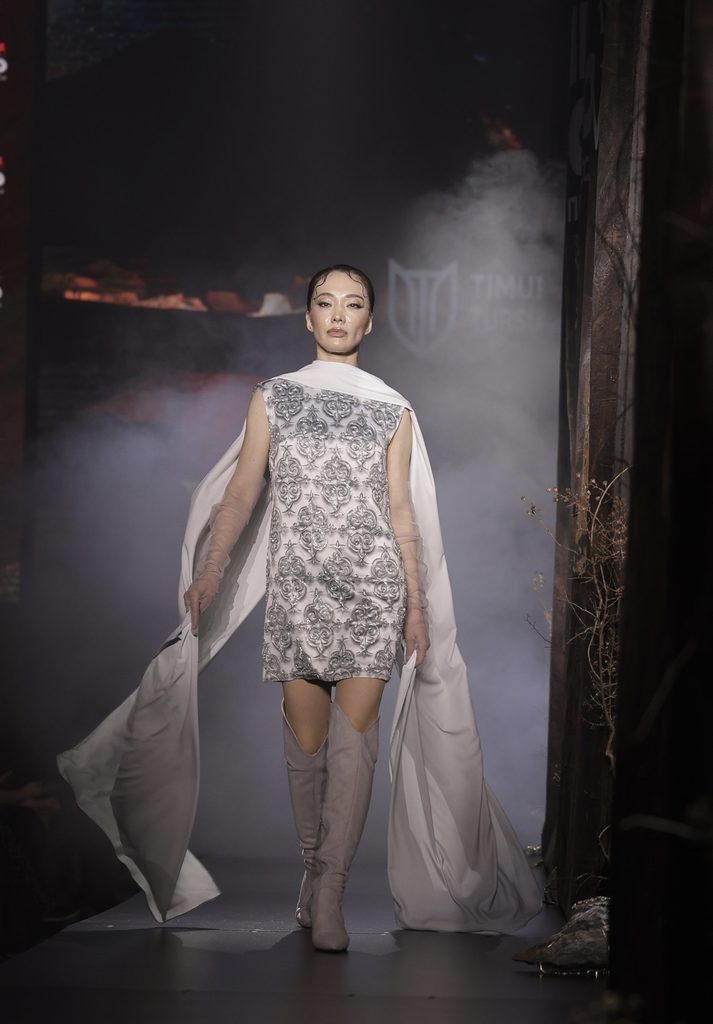
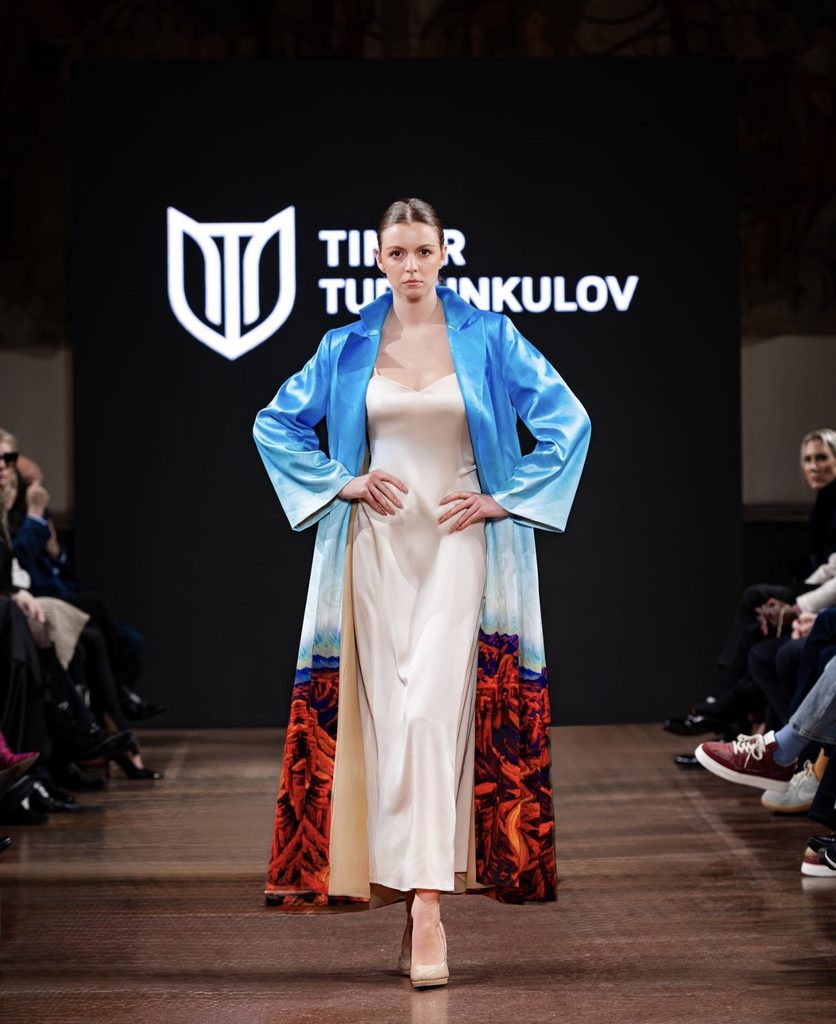
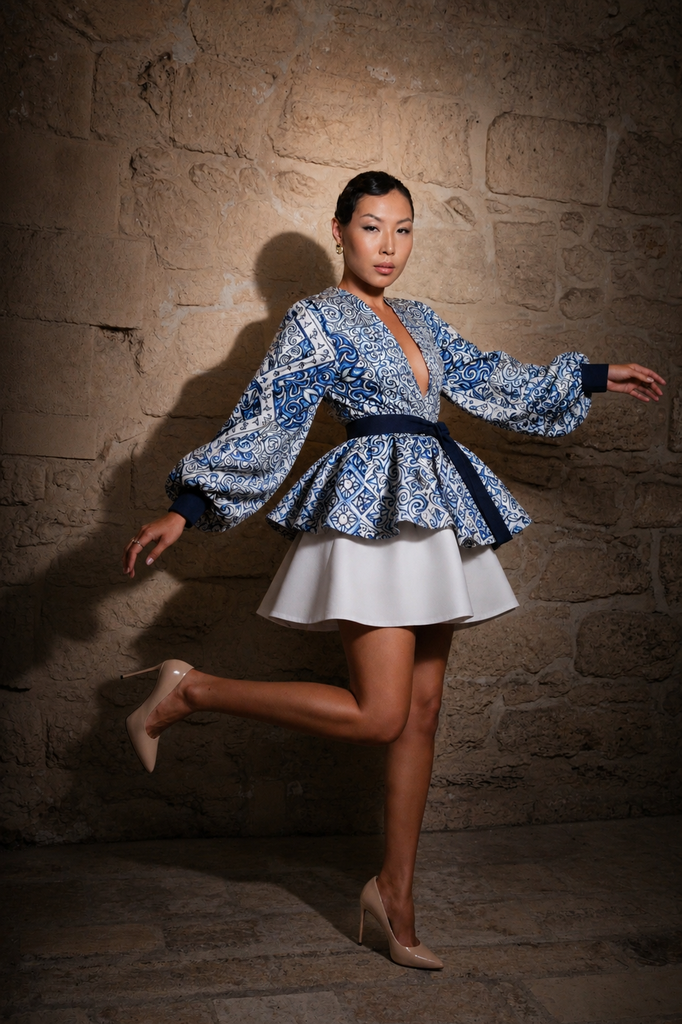
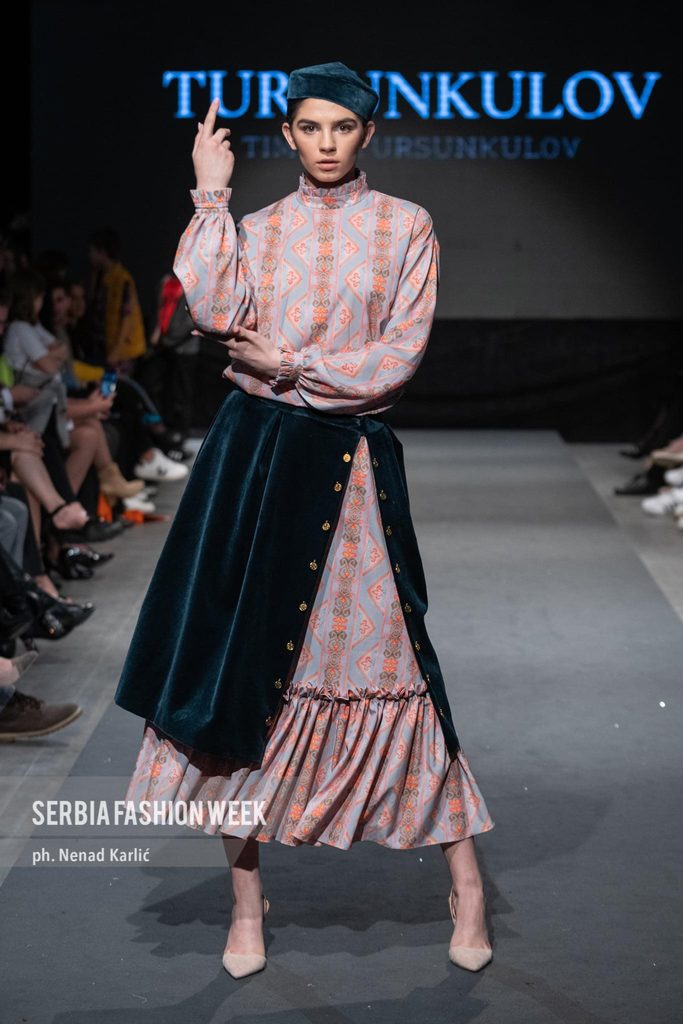
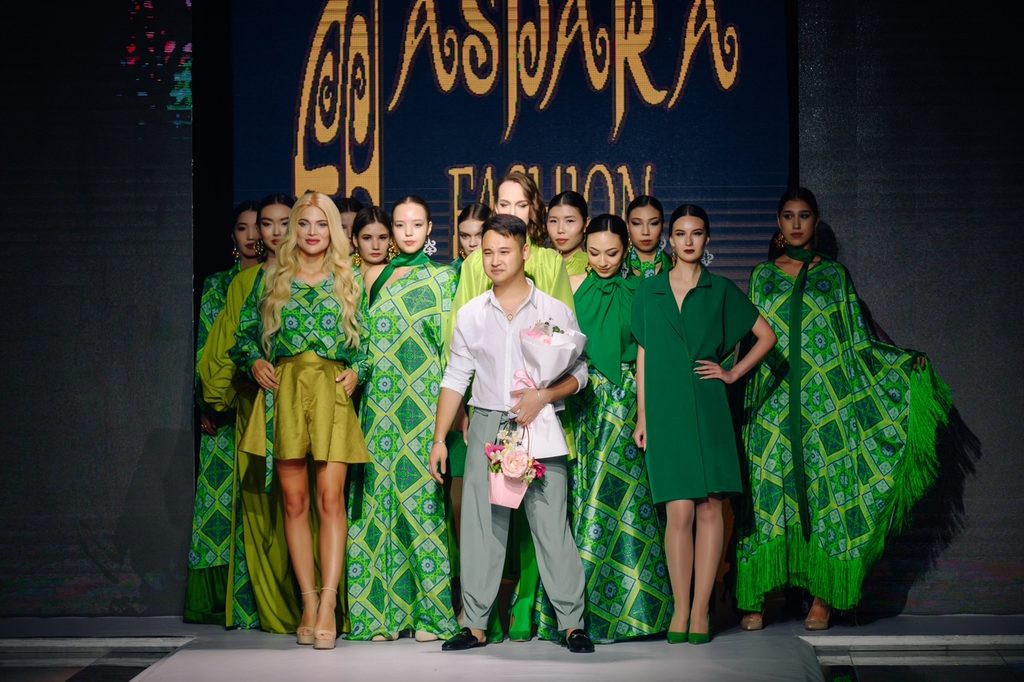
There is a difference between wearing cultural identity and transforming it into a contemporary visual language. Timur Tursunkulov works in that space. His designs draw from Kazakh heritage, ornament, color, symbolism and folkloric references, but rarely treat tradition as something that must remain untouched. Instead, these elements are enlarged, distorted, layered and placed into silhouettes that belong to the present.

The result is fashion that feels culturally rooted without becoming costume. Timur Tursunkulov’s work has a particular theatrical quality. Color is not used quietly: saturated greens, reds, florals and sweeping forms create an immediate visual presence. His silhouettes often move between couture volume and folkloric gesture, producing clothes designed not simply to be worn, but to be seen.

What makes the work interesting is its position between two worlds. It carries the visual memory of Central Asia while deliberately addressing an international fashion audience. Rather than abandoning cultural specificity in pursuit of global relevance, Timur makes that specificity the starting point. There is also something deliberately expansive about his practice. His work increasingly exists beyond the garment itself,  through fashion production, international platforms and the creation of spaces where designers from different cultural backgrounds meet.
In an industry where “global” can easily become visually interchangeable, Timur Tursunkulov proposes another possibility: global fashion does not have to erase where it comes from. Sometimes, the strongest contemporary image is the one that remembers.

Follow Timur at @TIMUR TURSUNKULOV

Cinemoda: When Fashion Enters the Frame

Fashion has always understood the power of the image. Cinema understood it too.

Maybe that is why their relationship has never been merely decorative. Clothes do not simply appear in films. They construct characters, signal desire, establish social codes, preserve eras and sometimes become more memorable than the people wearing them.

This is the territory that Cinemoda enters.

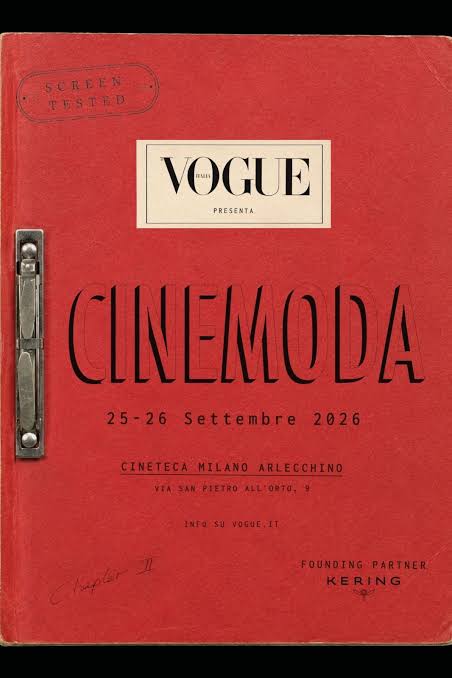
Returning to Milan on September 25 and 26 during Milan Fashion Week, the second edition of the film festival presented by Vogue Italia and Kering transforms Cineteca Milano Arlecchino into a meeting point between fashion and cinema. Curated by Gian Luca Farinelli with actress Chiara Mastroianni as patron, the programme brings together eleven films that approach fashion not as background, but as a cultural language. And that distinction matters.

Why? Because fashion is often discussed through the garment itself: its construction, designer, material, price or season. Cinema allows us to see what happens after the garment enters the world. A dress becomes a character. A silhouette becomes an attitude. A costume becomes a memory. A particular coat, suit or pair of shoes can tell us who someone is before they speak.

Consider Belle de Jour. Yves Saint Laurent’s costumes for Catherine Deneuve did not simply dress a character; they became part of the film’s psychological vocabulary. 8½ carries Marcello Mastroianni’s particular language of Italian elegance. Suspiria turns colour, costume and atmosphere into something almost physical. The Hunger transforms fashion, bodies and nocturnal glamour into an aesthetic of desire and decay.

These films demonstrate something fashion sometimes forgets:

A garment becomes culturally powerful when it means something beyond itself.

This is also why Cinemoda is more interesting than a conventional film retrospective.

Its programme does not attempt to establish a hierarchy between fashion and cinema. Instead, it traces the exchange between them — how cinema has shaped fashion’s visual imagination, and how fashion has helped cinema construct its own worlds. The selection moves between auteur cinema, cult films and documentaries, from Buñuel and Fellini to Godard, Argento, Wenders, Sofia Coppola and Marjane Satrapi.

There is also something significant about the setting.

During Milan Fashion Week, when the city is saturated with runway images, street style, campaigns, presentations and digital content, Cinemoda asks the audience to sit down and watch. To slow down. To look at an image for longer than a scroll allows.

That may be its most contemporary gesture. Fashion has become extraordinarily good at producing images. Cinema reminds us that an image can also have duration, narrative and consequence. And maybe this is where the relationship between fashion and cinema becomes particularly relevant now.

At a time when artificial intelligence can generate garments, models, campaigns and entire visual worlds within seconds, the question is no longer simply how an image is produced. It is what the image makes us feel, remember or desire. Cinema has spent more than a century exploring that territory. Fashion is still living inside it.

Cinemoda, therefor,e does more than bring films to Milan Fashion Week. It places fashion back inside the larger cultural ecosystem from which it has always drawn its power: cinema, art, performance, memory, identity and desire. The runway gives fashion movement. The photograph gives it an instant. Cinema gives it a life.

THE HAND, THE MACHINE, THE SPECTACLE

Why Vogue World: Milano was more than another fashion event

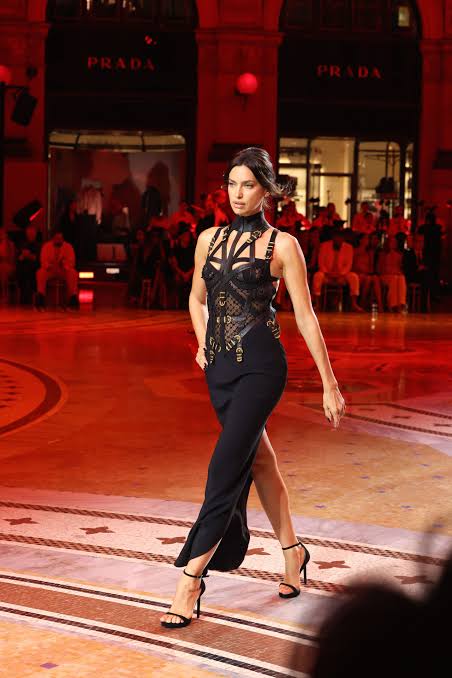
On September 22, Milan became the stage for the fifth edition of Vogue World. But this time, the spectacle was not simply about fashion. Set inside the Galleria Vittorio Emanuele II, on the opening day of Milan Fashion Week, the event constructed a much larger argument: what happens to fashion when heritage, craftsmanship, technology and spectacle occupy the same space?

That question gave Vogue World: Milano its reason to exist. The show unfolded in five acts, moving from the Renaissance and artisanal production through Italy’s industrial history and Made in Italy mythology, before entering “The Age of Intelligence” and finally “The Imagination Revolution.” The chronology was almost deliberately ambitious: fashion was presented not as a sequence of trends, but as a continuous negotiation between hand, machine and imagination.

And the location mattered. The Galleria is not simply an impressive backdrop. It is architecture that already carries centuries of commerce, culture and visual memory. Placing fashion inside it transformed the runway into something closer to a public cultural performance — fashion occupying the architecture of the city rather than temporarily constructing its own world. And this it, I believe, where Vogue World: Milano becomes most interesting.

Because at a moment when fashion is increasingly surrounded by artificial intelligence, digital production and automated creativity, the event chose to place human making at the centre of its narrative. Then came the robots. During the fourth act, humanoid robots from Unitree Robotics walked alongside models, turning the show’s conceptual tension into an actual image: the machine entering the runway. Vogue described their presence as a way of addressing the beginning of the robotics era; the accompanying visual work also questioned what technology can reproduce  and what remains dependent on human experience, emotion and taste.  It was an intentionally strange interruption. And fashion needs those interruptions.

The most compelling aspect of the event was therefore not the celebrity density,  although the cast was enormous, from Gigi Hadid and Vittoria Ceretti to Cardi B and Alicia Keys,  but the attempt to make fashion itself the subject rather than merely the object of attention.  There was also a less visible dimension.

Milano pledged at least €2 million toward the redevelopment of the Quarto Oggiaro Library, transforming it into a cultural hub for fashion, music, artistic talent, technology and community. That decision extended the event’s argument beyond the historic centre of Milan: if fashion is a cultural force, its infrastructure cannot exist only where fashion already has power.  This is why the event is worth looking at beyond the images. It was by all means a spectacle.  But it was also an argument about where fashion comes from, where it is going, and what it risks losing along the way.

WHEN McQUEEN CAME HOME

What happens when a fashion house returns to the city that shaped its mythology?

London has never needed to behave like Paris. Its fashion identity was built differently: through subcultures, tailoring, music, art schools, clubs, independent designers and an unusually porous relationship between the street and the runway. It has always been less interested in the idea of fashion as polished hierarchy than in fashion as collision.

This season, that character became visible again. London Fashion Week Spring/Summer 2027 brought together established houses, returning names and emerging designers, but two moments carried particular symbolic weight: Alexander McQueen returning to the London schedule and Christopher Kane making his debut as creative director of Mulberry. Alongside them, Fashion East and the BFC NEWGEN programme continued to foreground younger designers. The British Fashion Council described the September programme as a celebration of British fashion, spanning 47 catwalk shows, 23 presentations and a wider programme of cultural events. The question, then, is not simply what London is showing. It is what London is becoming again.

McQueen returns to its point of origin

Alexander McQueen’s return was more than a scheduling decision. The house had last appeared on the official London Fashion Week schedule in 2001, although it later presented several menswear and off-schedule shows in London. Its return under Seán McGirr therefore reconnects one of Britain’s most internationally recognised fashion houses with the city in which its original mythology was formed.  And McGirr did not treat London as a neutral backdrop.

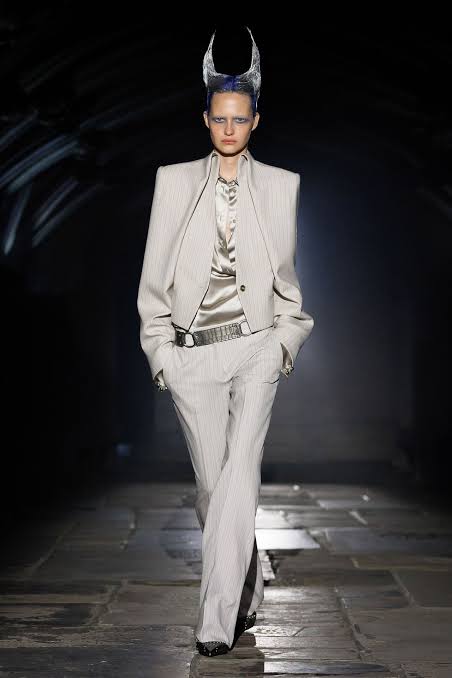
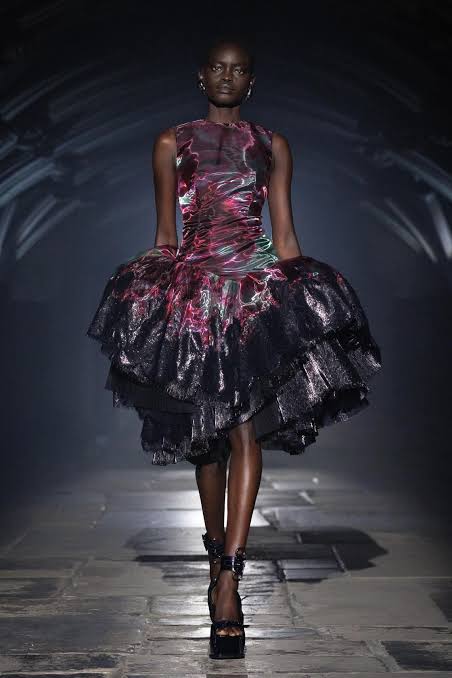
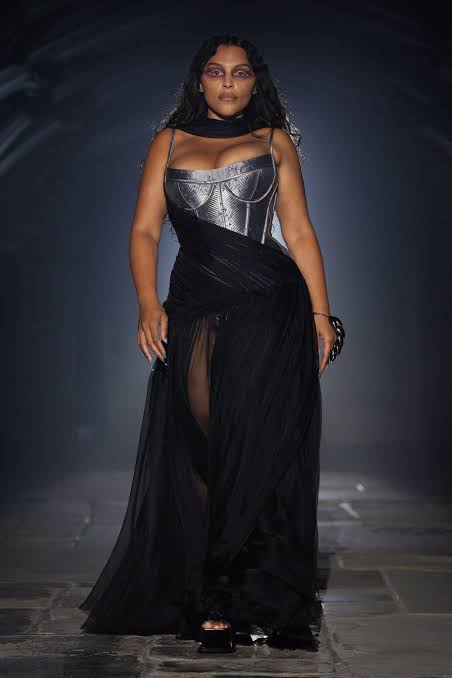
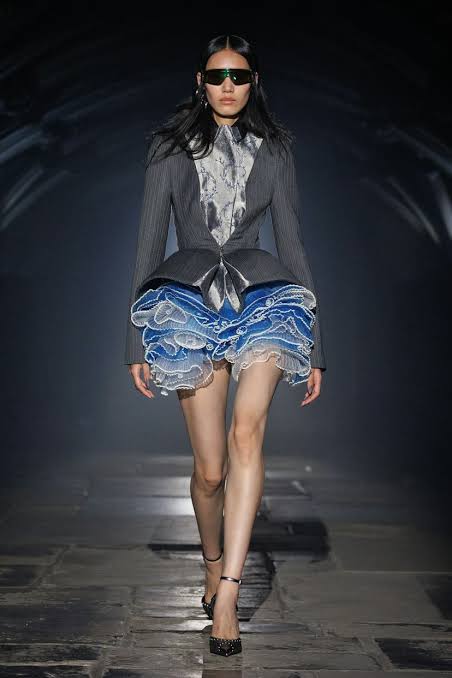
The Spring/Summer 2027 collection was presented at Lincoln’s Inn Chapel, a 17th-century Gothic space. Inside that architecture, McGirr constructed a dialogue between radically different elements of London culture: religious imagery, traditional tailoring, underground nightlife and rave culture.  The collection itself operated through contradiction. Tailoring was pushed into sculptural territory. Jackets developed closed shoulders resembling furled wings. Sharp silhouettes referenced Savile Row and Tommy Nutter, while leather collars and exaggerated proportions introduced something more nocturnal and disruptive. Dresses moved between grand, almost classical construction and aggressive interventions: harnesses, distorted bodices, open-backed corsetry and metallic embellishment.

One of McGirr’s references was Piero della Francesca’s The Baptism of Christ, a painting he encountered repeatedly after arriving in London as a young student. Against that almost sacred visual language, he placed the city’s rave culture and the visual memory of figures such as Keith Flint.  This is where the collection becomes particularly interesting. McQueen does not return to London by simply reproducing the London of its founder. It returns by asking what London can mean now.

The city as material

There is a tendency to describe fashion capitals geographically: Paris for couture, Milan for luxury, New York for commerce, London for experimentation. But these categories are increasingly unstable. A city does not create a fashion identity simply because designers happen to work there. Its identity is constructed through relationships between institutions, designers, education, nightlife, music, retail, media and the people who occupy its streets.

London’s particular strength has historically been the permeability between those worlds.

McQueen’s new collection makes that permeability visible. Savile Row does not remain isolated from the nightclub. Renaissance painting does not remain separate from contemporary subculture. Formal tailoring can coexist with punk, rave and theatrical distortion.

The result is not a nostalgic reconstruction of British fashion. It is an attempt to understand its contradictions. And contradiction has always been one of London’s most productive fashion resources.

So, the return of McQueen places a major international house back inside the city’s fashion narrative whereas on the other hand Kane’s appointment gives Mulberry a designer whose own history is deeply connected to London’s fashion culture. Emerging programmes continue to bring new voices into the same ecosystem. Meanwhile, the British Fashion Council is explicitly positioning London as part of a broader national fashion network, extending activity beyond the capital through its Fashion Britain initiative across cities including Bristol, Cardiff, Dundee, Edinburgh, Liverpool, Manchester and Newcastle.  That suggests something larger than a successful fashion week.

It suggests a fashion system attempting to reconnect its parts. And maybe this is what McQueen’s return ultimately reveals. Fashion capitals are not permanent monuments. They have to continually produce reasons for people to look at them. London’s reason has never simply been luxury. It has been friction, old and new, institution and outside, tailoring and rebellion, heritage and invention.

The runway, in that sense, becomes less a mirror of the city than a negotiation with it. McQueen did not simply come home. It came back to ask what home means now. And London, once again, seems to be answering through fashion.

Rebel Aristocrats

Remember the Name

SKiN iT

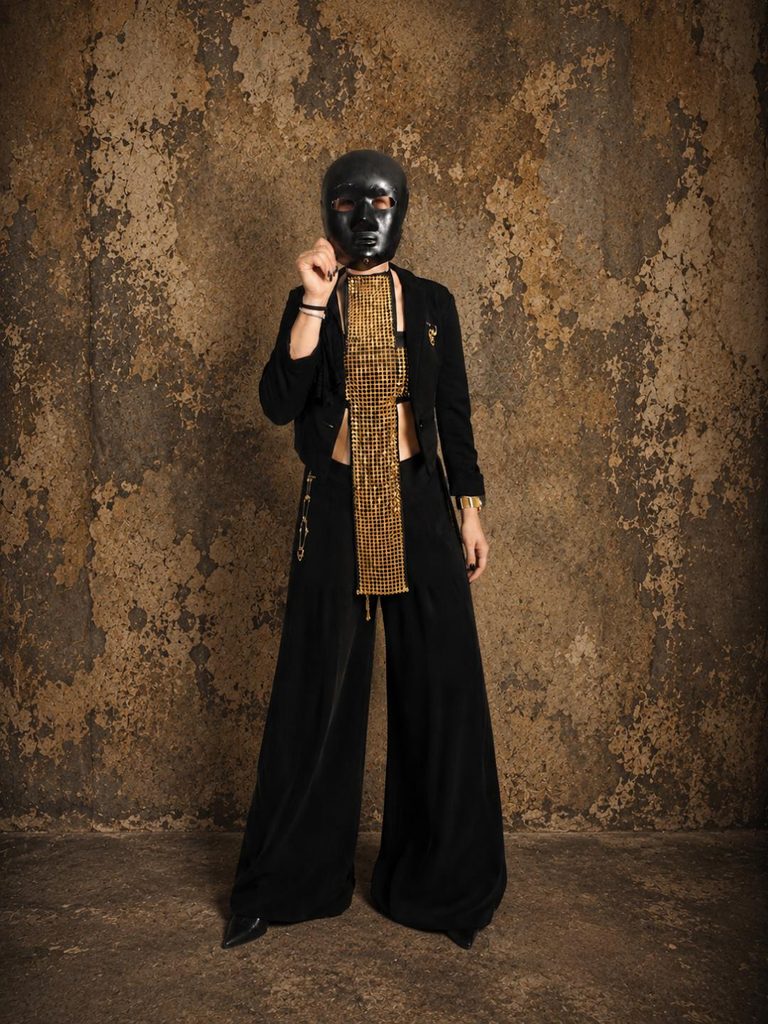
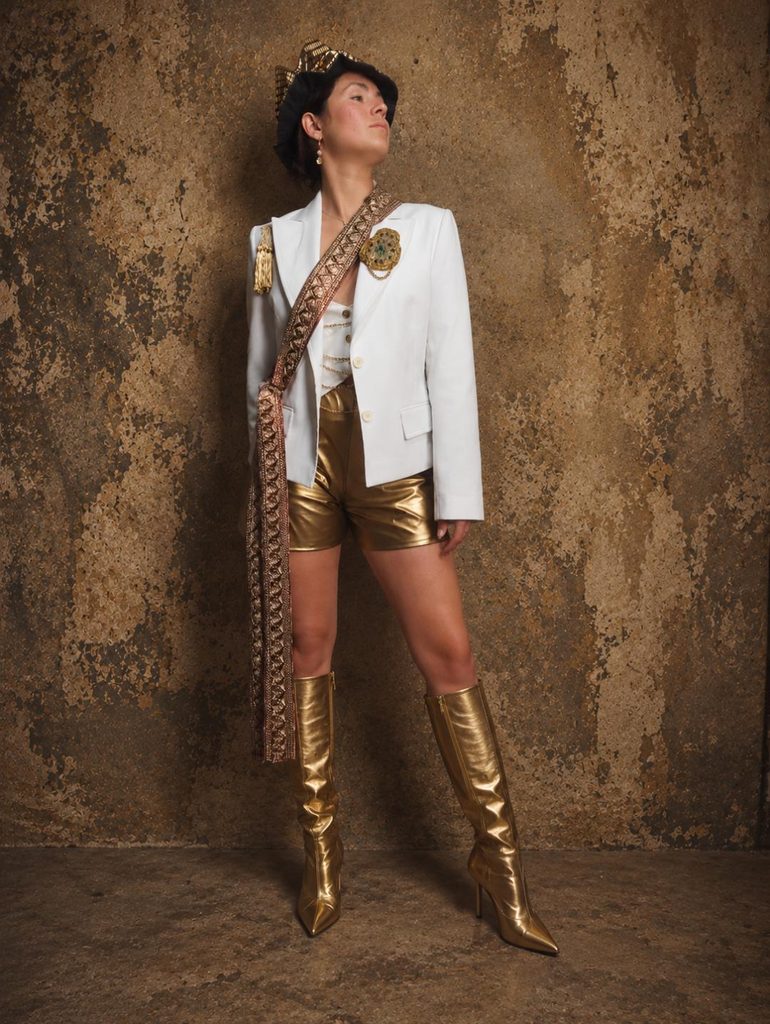
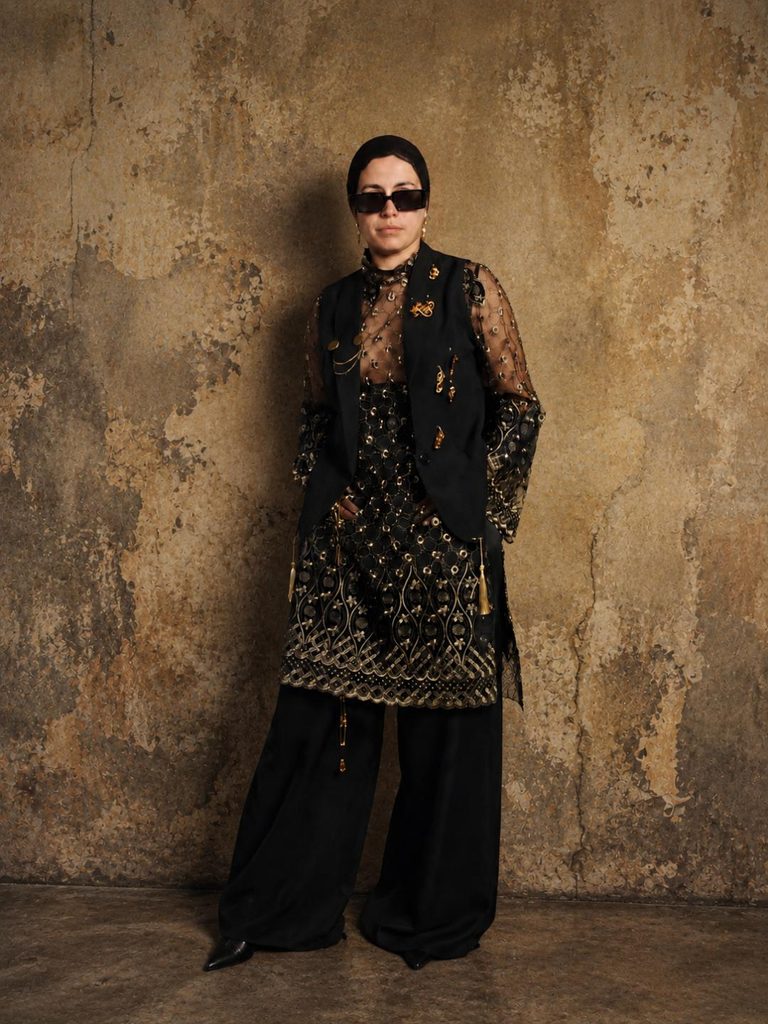
Rebel Aristocrats — Wonderland Chapter III continues the SKiN iT exploration of power, identity and constructed elegance. Set within a distorted aristocratic world, the collection plays with the codes of privilege — crowns, ornament, ceremony and authority — and turns them into instruments of rebellion.

Luxury becomes theatrical. Femininity becomes armour. The aristocrat is no longer defined by inheritance, but by attitude. Through constructed garments, sculptural silhouettes, exaggerated proportions and contrasting textures, SKiN iT transforms familiar symbols of status into something darker, more provocative and deliberately unconventional.

The collection moves between opulence and rebellion, elegance and disruption, fantasy and control. It belongs to a Wonderland where hierarchy is performed rather than inherited, and where the rules of appearance can be rewritten.

Chapter III develops the visual language of the Rebel Aristocrat: a figure who enters the room already knowing the codes — and chooses to break them.

Keep the crown.
We’ll take the kingdom.

Follow SKiN iT at @skin_it_fashion

BORROWED FROM ANOTHER TIME

REMEMBER THE NAME: VICTORIA FEDOSEENKO

The photographer who looks beyond the image — and finds the character underneath.

Novi Sad, Serbia.

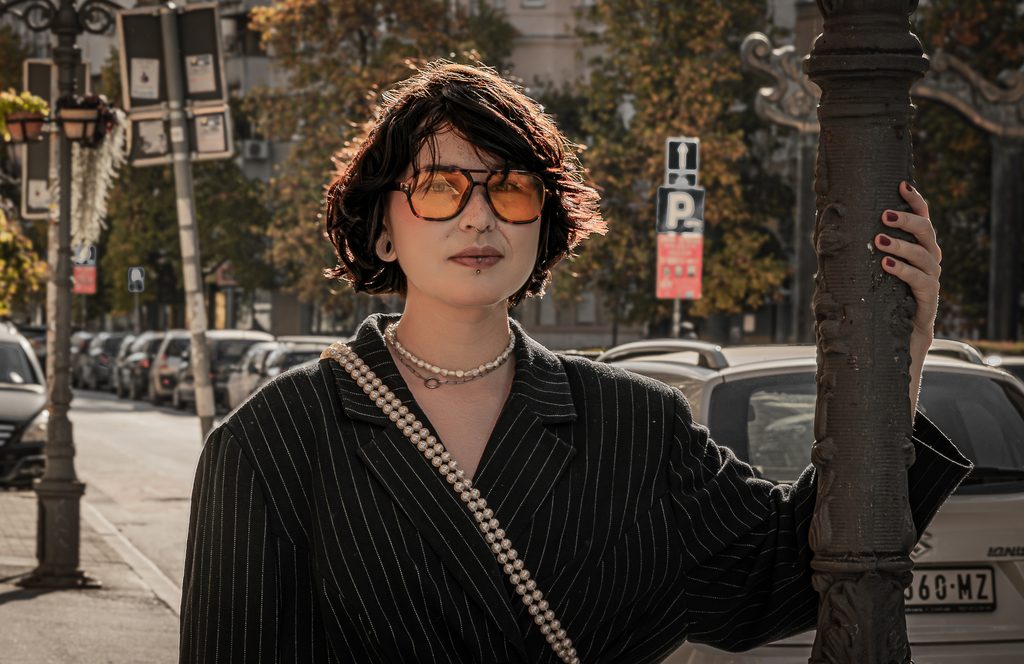
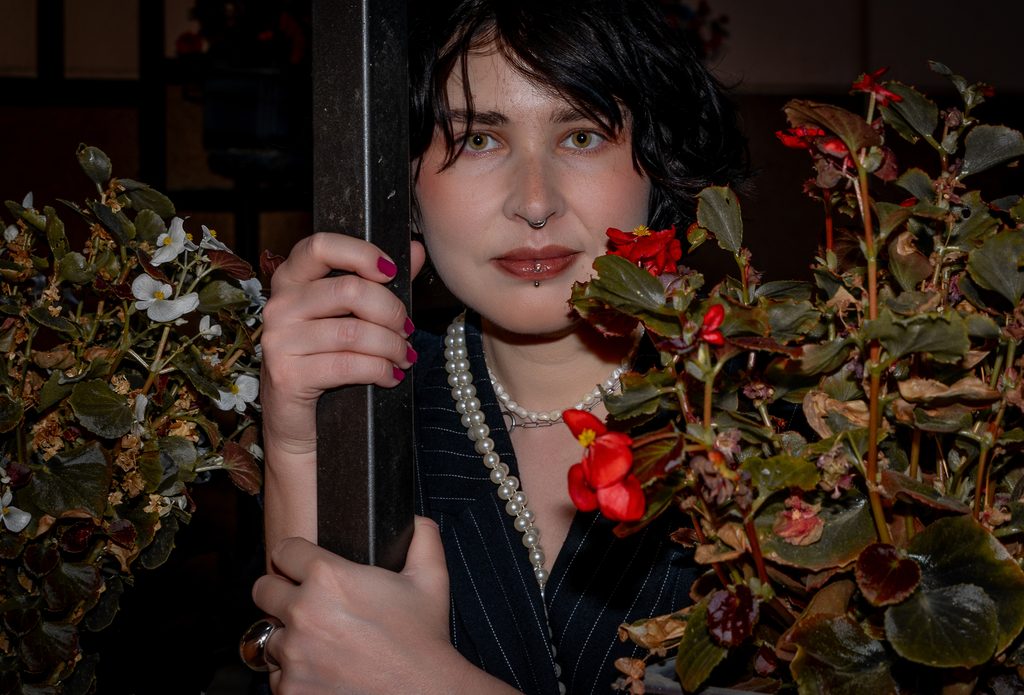
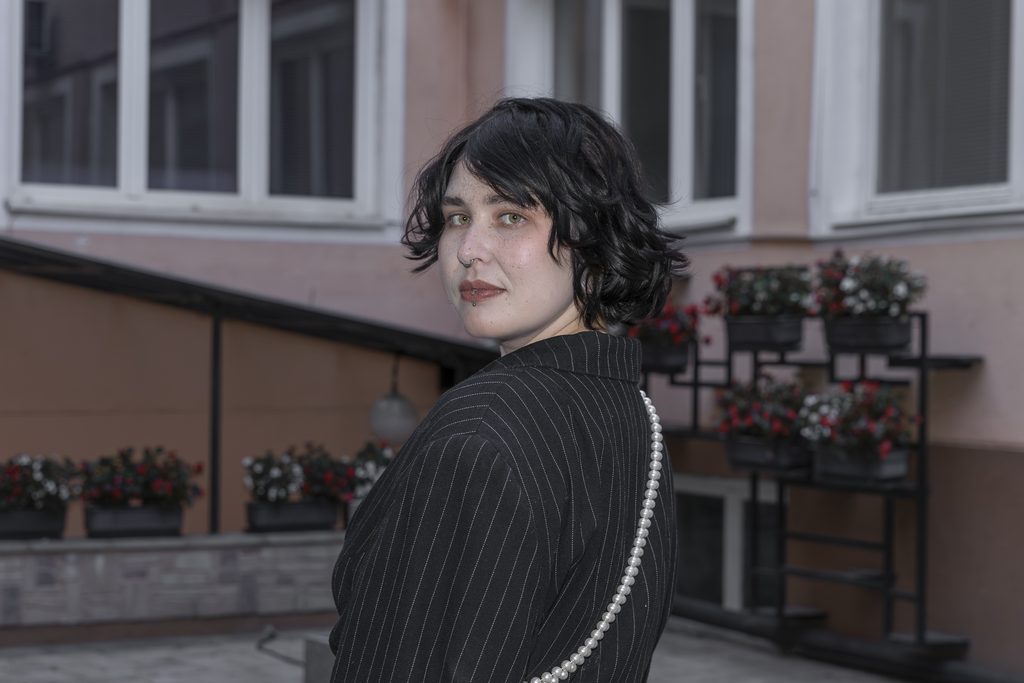
Some photographers capture an image. Others construct a world around it. Victoria Fedoseenko belongs somewhere in between. Based in Novi Sad, Serbia, Vikctoria works across editorial portraiture, fashion and brand photography, creating images that are musters of perfection and presence. Her photographs carry a cinematic quality, but what holds the frame is rarely the styling alone. It is the person inside it.

That distinction matters. Victoria’s approach begins with a question that feels almost deceptively simple: who is this person when fashion stops speaking for them?

Her answer is found in faces, gestures, locations, light and atmosphere.

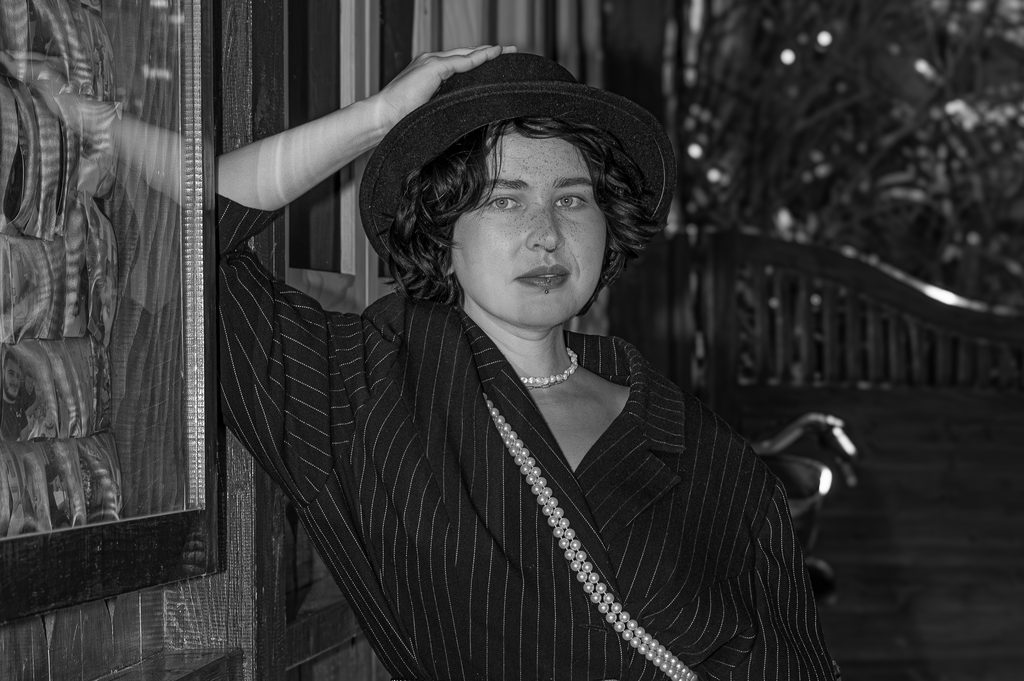
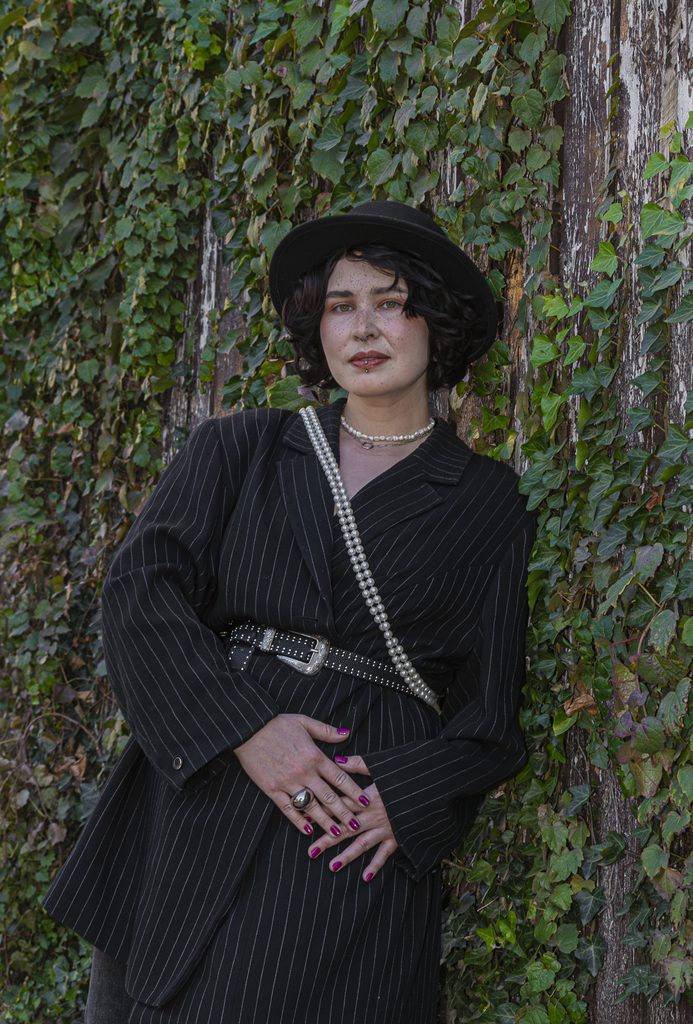
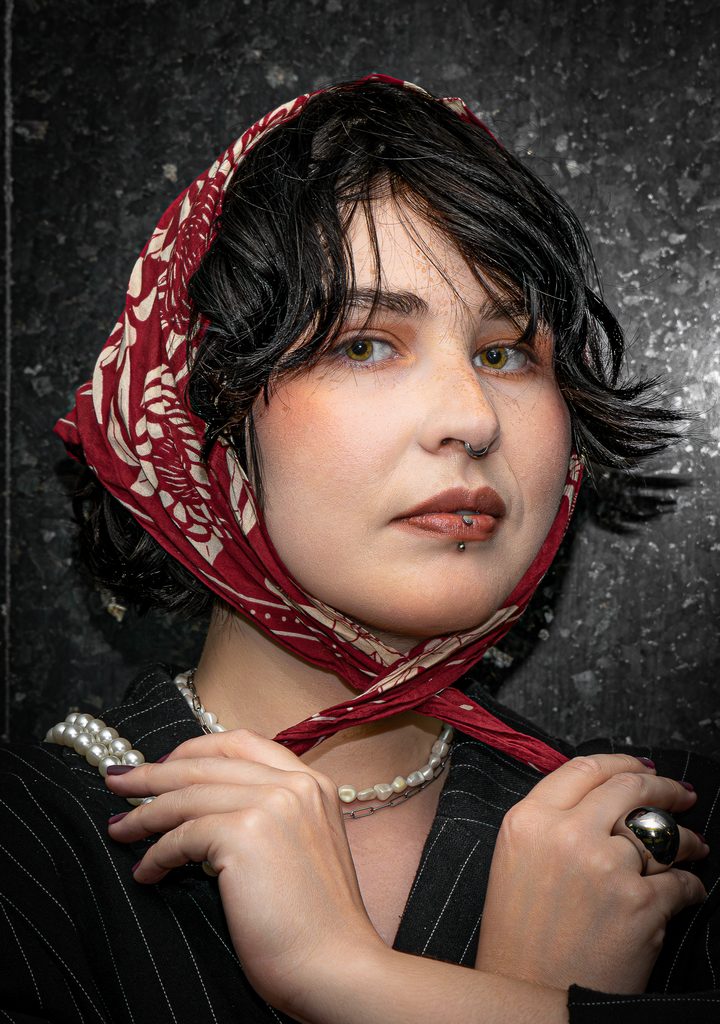
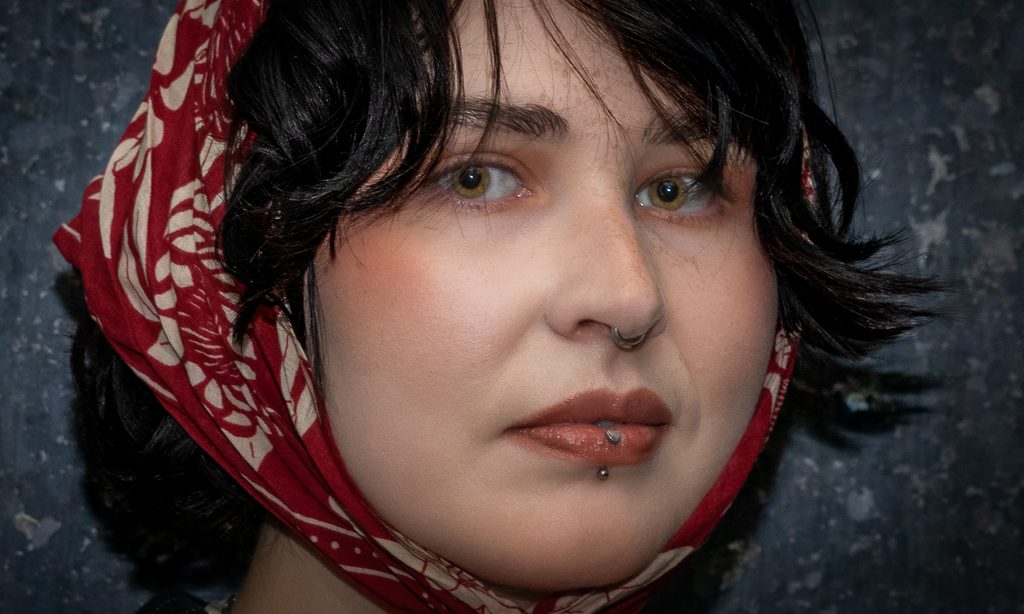
In BORROWED FROM ANOTHER TIME, photographed in Novi Sad, model and stylist Olga Tatarinova moves through shifting visual identities. A red patterned headscarf. Pearls. Black tailoring. Metallic details. A face caught between softness and defiance. The photograph does not attempt to belong entirely to one period. Instead, it allows different ones to collide. Classic codes meet contemporary styling. Nostalgia meets attitude. The familiar becomes slightly strange.

And that tension is central to Victoria Fedoseenko’s  work.

She often describes seeing a visual story in a person before they see it themselves. Someone may arrive believing they are ordinary, awkward or “not photogenic”. Victoria sees something else — a character, an atmosphere, perhaps an entire film waiting to happen. Photography becomes the mechanism through which that imagined version becomes visible.

CHARACTER OF PERFECTION

There is a recurring idea throughout Victoria Fedoseenko’s practice: character matters and leads to perfection. Her photographs are not simply exercises in beauty: glance, gesture, posture. A face that refuses to behave exactly as expected.

Is it these details become the architecture of the image.  There is no need for theatrical transformation. Instead, the photograph allows humour, confidence, curiosity and lived experience to remain visible. 

THE IMAGE BEFORE THE IMAGE

Victoria Fedoseenko’s process is surprisingly analytical for work that often feels instinctive.

The photograph begins before the camera. She considers the person, the mood, the location, the changing light, styling, colour and movement. She may visit an unfamiliar location beforehand and construct mood boards or visual references.

Afterwards, the work continues through sequencing and editing. The individual photograph is only part of the story. Victoria Fedoseenko looks at how images speak to one another, how a sequence develops rhythm and how a series becomes something larger than a collection of photographs. Her practice is therefore not confined to the camera. It extends into concept development, creative direction, editorial sequencing, publication, brand presentation. In her work, the human being stays at the centre.

 BEYOND THE FRAME

Victoria has already seen her work published in more than 80 international magazine publications, across Europe, the United States, Canada and Australia, including 14 covers.

Yet the numbers are less interesting than what they reveal about the direction of her practice.

She is building a visual language that moves between fashion, portraiture and storytelling without allowing any one of them to completely define it. There is fashion,  but not fashion without character. There is beauty, but not beauty as a fixed standard. There is technology, but not technology without the human subject.

And there is place.

Novi Sad is not simply a backdrop in her work. Streets, architecture, light and atmosphere become part of the narrative, giving the photographs a sense of somewhere rather than simply somewhere beautiful. That is maybe why her work feels cinematic. Not because every image looks like a film still, but because there always seems to be a story before the photograph — and another one waiting after it.

Remember the name.

Victoria Fedoseenko.

Photographer / Retoucher / Creative Director: Victoria Fedoseenko @viktoriya.fedoseenko
Model / Stylist: Olga Tatarinova @thundercatnomad
Photographed in Novi Sad, Serbia.

The New Classic

Remember the Name

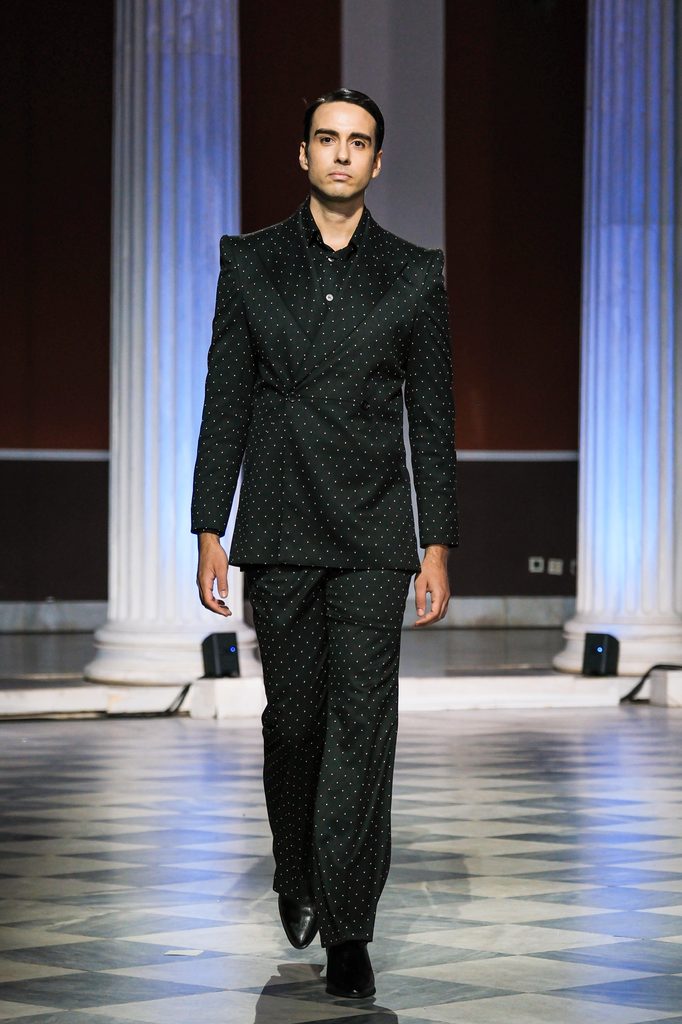
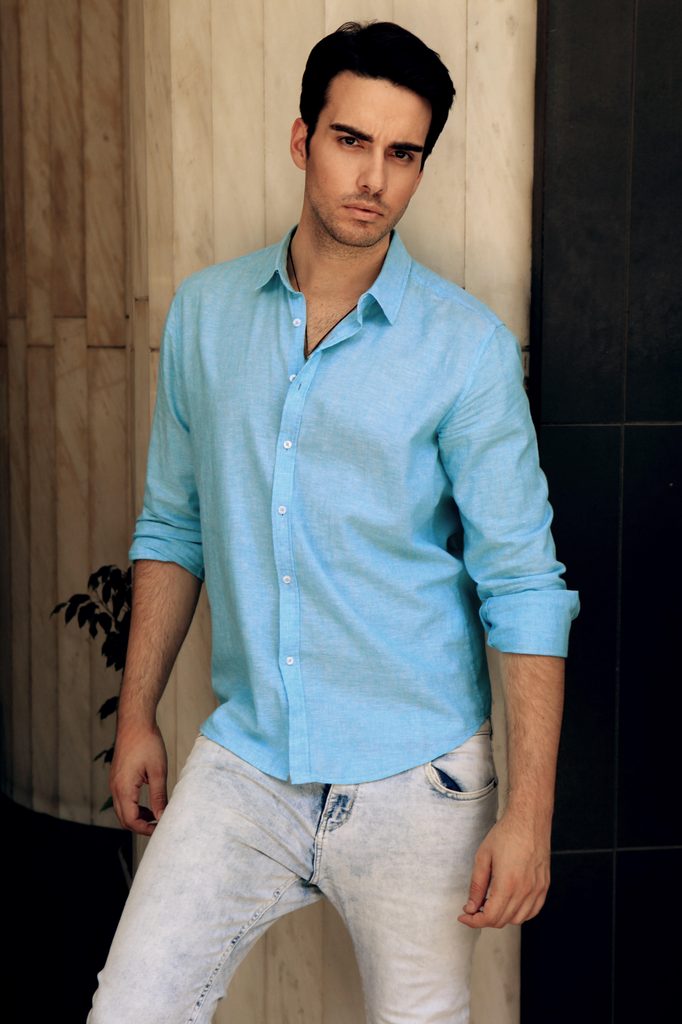
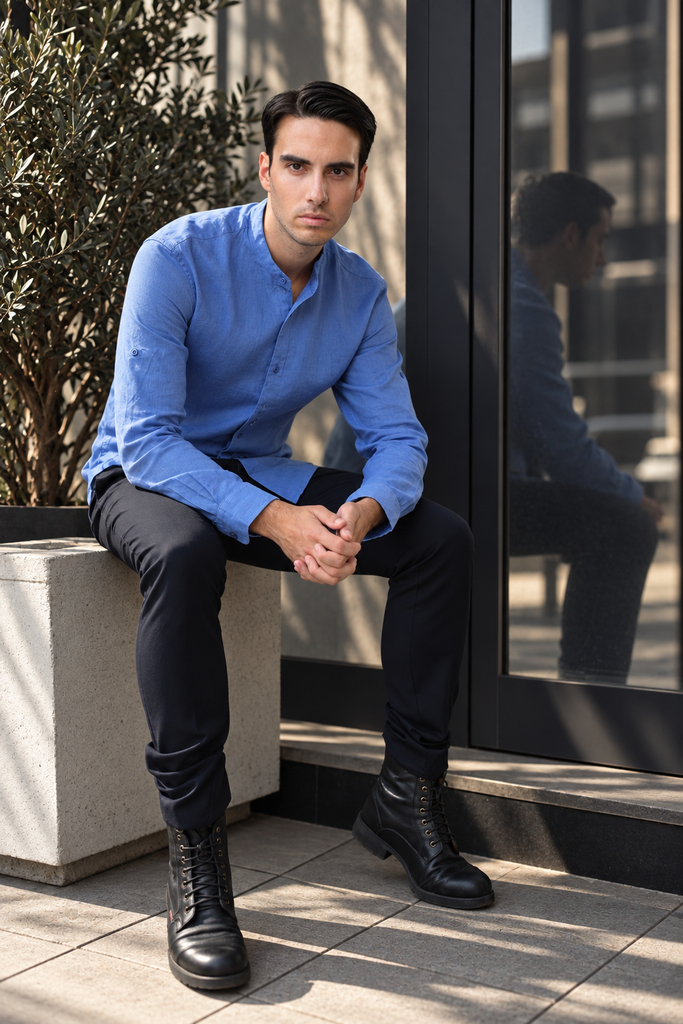
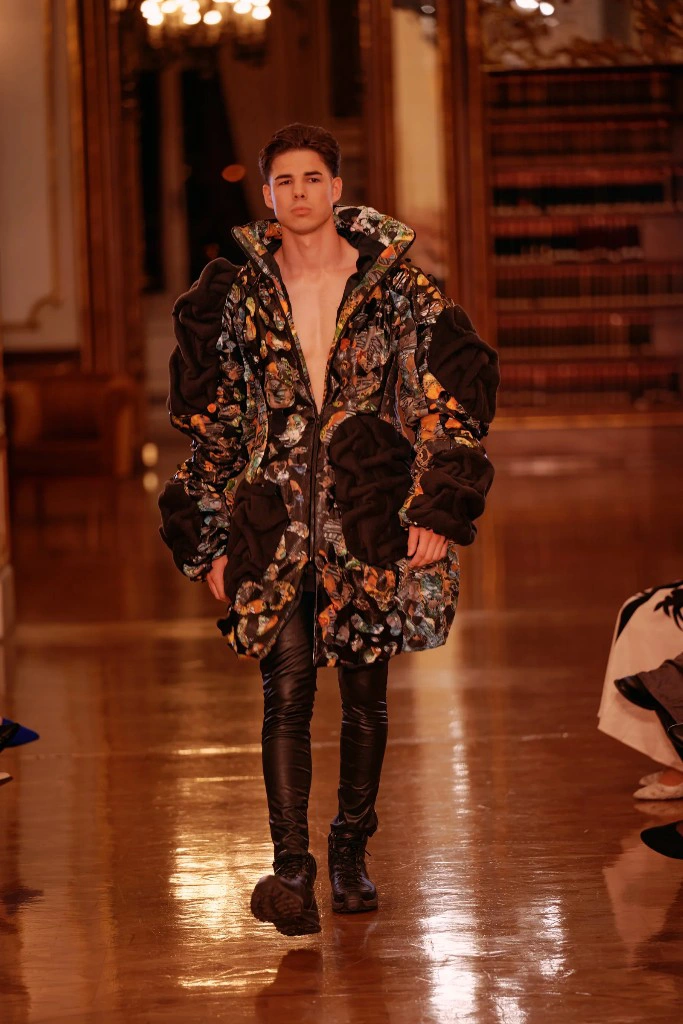
Dimitris Vasilopoulos

Model

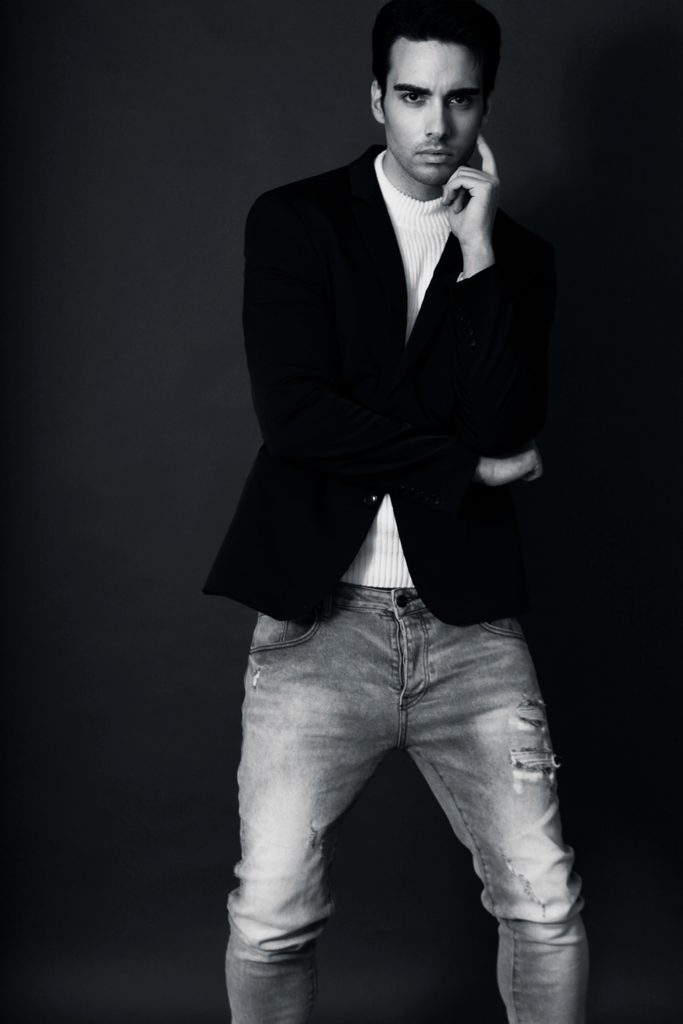
Dimitris Vasilopoulos brings a quiet intensity to the frame, moving naturally between classic tailoring and a more contemporary, understated edge. His presence is defined by structure: sharp silhouettes, controlled movement and an assured simplicity that allows the garment to remain central. From refined suiting to relaxed, urban styling, he carries contrasting aesthetics with the same composed attitude.

There is something deliberate in his presence — confident without excess, polished without becoming predictable. For Dimitris, modelling becomes less about transformation and more about presence: understanding the character of a garment, inhabiting its silhouette, and allowing the image to emerge through restraint.

Follow Dimitris at @dimitris_vasilopoulos.15

Credits

Central photo: @matthew_matthew78 photographer

Second photo: Malan Bretton fashion designer

Third photo: @matthew_matthew78 photographer

Fourth & fifth photo: @spyrosaronis_photography & @forevermatina MUA